What if…? Energy and efficiency – Part I
What if ... a group of industry VIPs gathered to discuss the vital topics of energy and efficiency at Innorvation ’26?
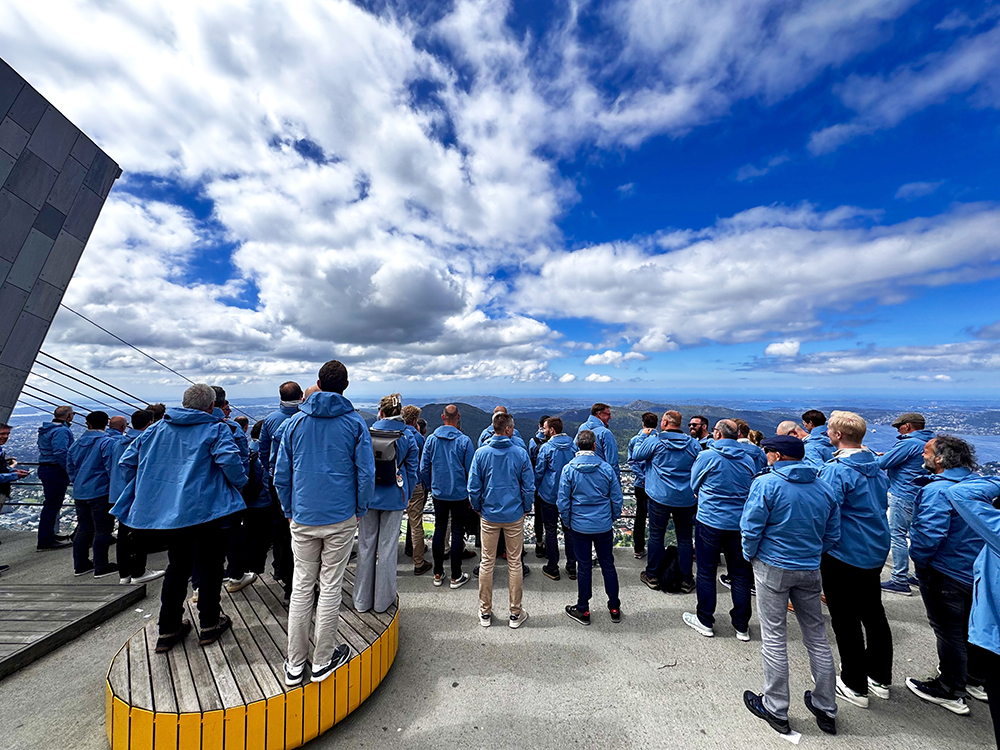
Part I of the findings from this inimitable event, held earlier this year in Bergen, Norway, are presented here ...
Earlier this year, we hosted the second edition of Innorvation ’26, our unique event in Norway. This time it was based in the maritime hub of Bergen, where DNV has a maritime R&D centre, Corvus has its battery-manufacturing centre and Norwegian Hull Club has its headquarters and situation room, all of which formed a key part of the experience.
In the countdown to Innorvation ‘26, we asked all of the VIP delegates to ask themselves the wide-open question ‘What if...?’ By the time we arrived in Bergen the diverse array of topics and questions raised gave us confidence that this valuable gathering of designers, naval architects, shipyard technical experts, yacht managers, experienced captains, environmental thinkers, project managers and owners’ reps would generate some dynamic and interesting ideas.
The following list is a sample of these pre-Innorvation What ifs..?, all of which are designed to trigger future conversations and opinion pieces in The Superyacht Report or SuperyachtNews.com in the future:
What if… we start looking at alternatives to traditional yacht paint? We can't justify the environmental impact of a full cycle of yacht paint for the long run.
What if… nuclear energy becomes so inexpensive that we will end up with an energy abundance?
What if…. fossil fuels were banned as means of propulsion on superyachts from 2030?
What if… speed limits were to be made obligatory in local jurisdictions and or territorial waters, thereby enforcing a reduction in energy consumption?
What if… science and technology are not the limiting factors in the adoption of meaningful innovation, but the invisible constraints shaping how we collaborate within commercial reality are. What would need to change to unlock progress at scale in the maritime sector?
What if… yachts were built to accommodate the right number of crew to match the expectations of owners, management and maintenance, all within MLC’s HoR?
What if… we look past energy and efficiency, what else can we innovate and improve – could it be the ecosystem, employment, enjoyment, (on-board) environment, experience etc?
What if… we reframed every client request, workshop problem and engineering road block with the three words: “How might we…” To start off with, how might we start looking at our industry innovations in a more holistic manner?
What if… the definition of luxury shifts from unlimited energy availability to a conscious use of energy, so we can fully enjoy what matters today without compromising the ability of future generations to do the same?
What if… next-generation solid-state battery density advances so rapidly by 2030 that the total system-volume of a battery powertrain undercuts a green methanol set-up?
The above sample list of What ifs…? demonstrated the intellect and creativity of those delegates due to attend Innorvation ’26, and rather than dig into these various individual questions during the event, we decided instead to take everyone on a unique journey by cable car to Bergen’s highest point, Mount Ulriken. Once at the top of the mountain, after a relaxed lunch and debrief, we split the group into very diverse teams and sent them off across the rocks in the stunning Norwegian blue sky and asked them to spend a few hours discussing and developing a unique What If..? with the “How Might We..?” strategy to add to the brainstorm, all under the strategic theme of Energy and Efficiency.
The following is Part I of a synopsis of the various ideas and innovations that came out of the team’s literal blue-sky thinking.
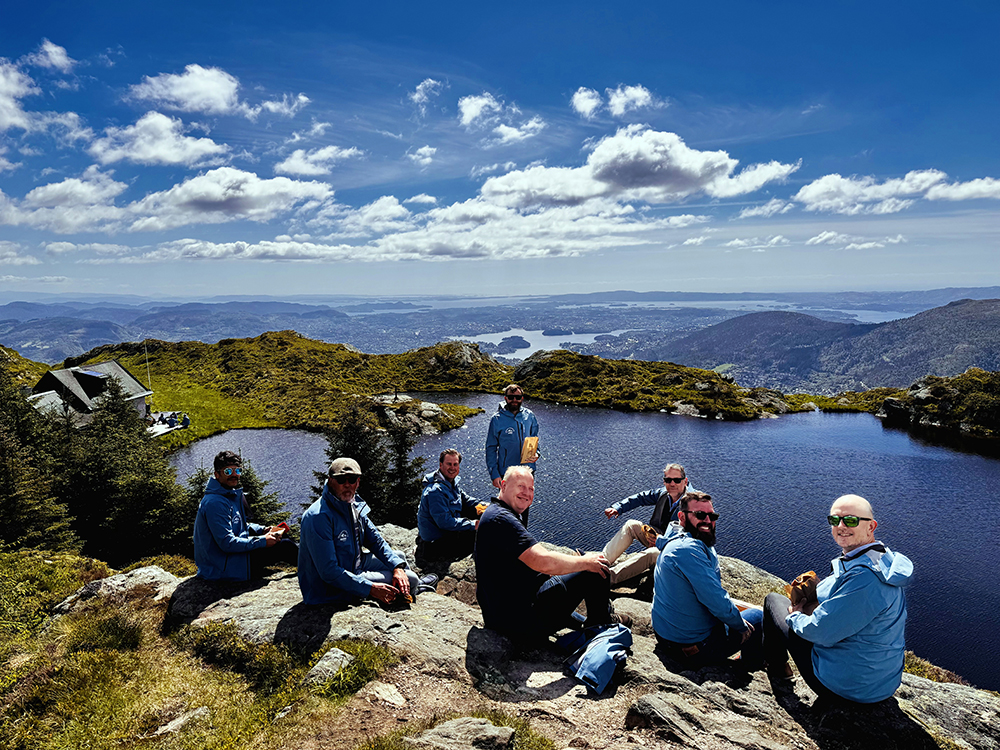
TEAM 1
What if… we limit the amount of dirty energy used on board?
With the key theme of Energy and Efficiency, the idea of speed limits was explored, and it was agreed that operational profile dictated that propulsion was a fairly limited consumer of energy and therefore its impact would be less important than other sources of consumption. Therefore, a holistic view was taken and it was decided that all sources of energy should be considered as part of the limitations.
Within the limited timeframe of this session, finding a definition of ‘dirty’ energy was challenging for the group. However, we settled on a simple suggestion that any external input energy used by the yacht that could not be proven/certified as an equivalent zero-emission and zero-environmental impact would be considered as part of any energy limit. This would include any fossil fuels or derivatives, or any other alternative fuels or source of power, including nuclear and even shore power, in which case this source of energy would be excluded from the limit imposed.
The team reflected on the increasingly negative view of certain sectors in yachting, where if those sectors do not self-regulate and self-limit their impact, more severe regulations and limits could follow which may then become an existential threat to the survival of the industry.
The view was that this energy limit was to be paired alongside broader society and personal responsibilities, an example being that on a personal level we should all aim to emit less than a given amount of CO2 emissions to stay within certain international environmental goals. Why should yachting be excluded from this virtuous activity? The team reflected on the increasingly negative view of certain sectors in yachting, where if those sectors do not self-regulate and self-limit their impact, more severe regulations and limits could follow which may then become an existential threat to the survival of the industry.
The most interesting aspect of this recommendation is the concept of a self-imposed limit that would essentially set a standard and demonstrate to the world that the superyacht market is being holistically responsible and working together to clean up their act. As a relatively small industry, this may seem feasible and realistic, but it does need a joined-up strategy.
It was interesting to observe how the discussion evolved independently as a brain-storming session in a breathtaking environment away from the usual day-to-day pressures. At no time did the team directly refer to ongoing international regulatory efforts to limit environmental impacts at IMO and other levels, but no doubt it had a subconscious bearing on our discussions.
The main focus of our discussion was more centred on the principle of treating dirty energy itself, regardless of its source (if external to the yacht), or efficiency levels as a finite resource rather than infinite, and introducing a limit or quota of total dirty energy used would encourage deeper industry attention to seek greater efficiency and cleaner energy use, while also avoiding greater energy use.
Parts II, III, IV, V and VI will appear in the coming few days.
You can watch the video of this year’s event here, and if you’d like to join INNORVATION’27, somewhere in Norway, visit www.innorvation26.com and register your name.
NEW: Sign up for SuperyachtNewsweek!
Get the latest weekly news, in-depth reports, intelligence, and strategic insights, delivered directly from The Superyacht Group's editors and market analysts.
Stay at the forefront of the superyacht industry with SuperyachtNewsweek
Click here to become part of The Superyacht Group community, and join us in our mission to make this industry accessible to all, and prosperous for the long-term. We are offering access to the superyacht industry’s most comprehensive and longstanding archive of business-critical information, as well as a comprehensive, real-time superyacht fleet database, for just £10 per month, because we are One Industry with One Mission. Sign up here.
Related news
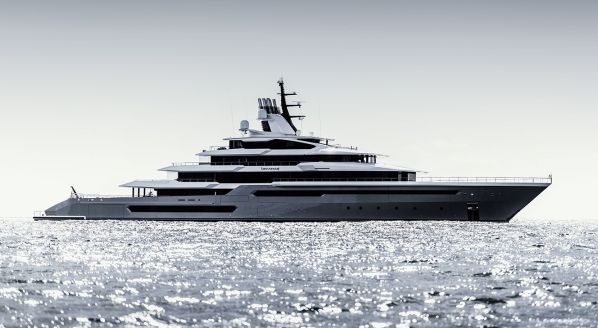
How far can batteries take you?
Battery-based energy architecture is no longer a technology of the future and it’s proving to be not just an alternative, but a better proposition
Crew
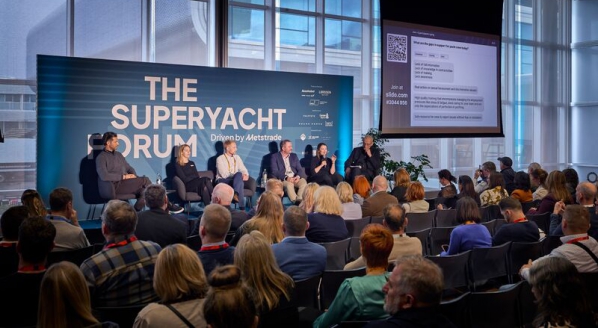
There’s only one Superyacht Forum!
With a number of similarly named new events hitting the market, we advise doing due diligence on who is organising, hosting and attending
Business
The unexpected upside of rising fuel costs for luxury yacht charters
Gayle Patterson, Director of Yachting at Pelorus, reveals how rising fuel costs are changing all-inclusive charters and accelerating more efficient yacht design
Owner
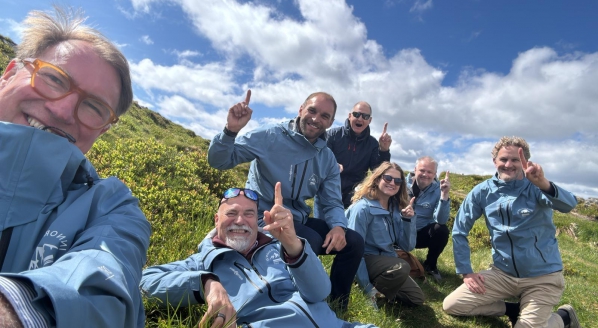
INNORVATION’26 – the Movie
A true tale of the odyssey of a select group of superyacht VIPs grappling with the question ‘What If’ under the blue skies of Bergen
Business
Related news
How far can batteries take you?
4 weeks ago
There’s only one Superyacht Forum!
2 months ago
What if we stopped adding?
2 months ago
INNORVATION’26 – the Movie
3 months ago
NEW: Sign up for
SuperyachtNewsweek!
Get the latest weekly news, in-depth reports, intelligence, and strategic insights, delivered directly from The Superyacht Group's editors and market analysts.
Stay at the forefront of the superyacht industry with SuperyachtNewsweek