The rotation problem
Why does yachting struggle to attract commercial masters? An argument for the industry to align its employment model with the realities of professional maritime life…
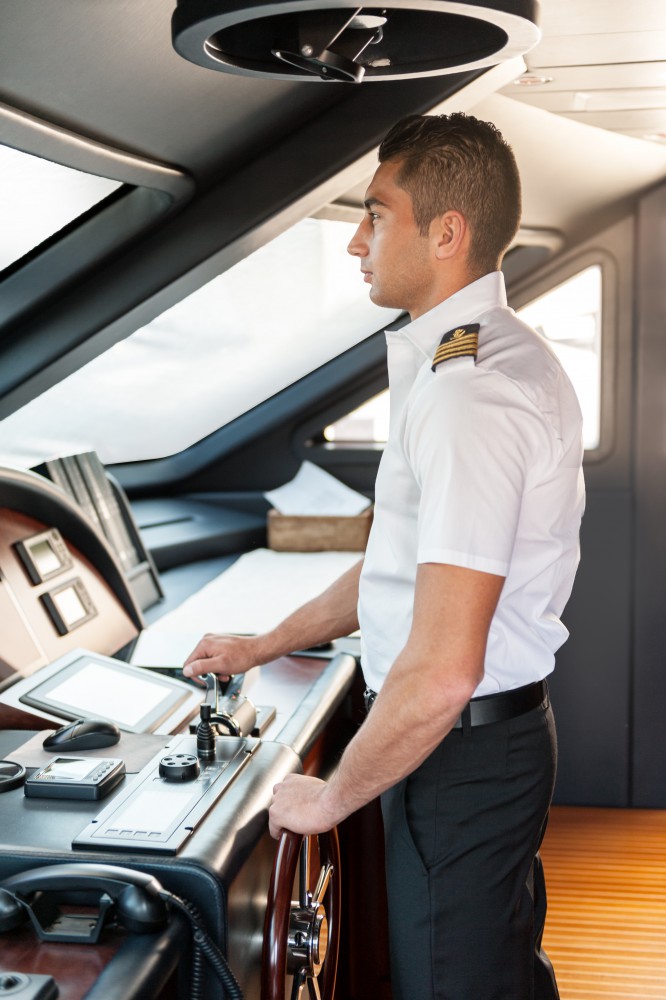
There is a moment familiar to most commercial masters: the final hour before crew change. The vessel is stable, the paperwork is complete and the incoming master is already on board, quietly absorbing the state of the ship. It is a handover built on structure, professionalism and mutual respect. The outgoing master is tired but focused; the incoming master is rested, alert and ready to take command. This rhythm – predictable, disciplined and humane – is one of the foundations of safe maritime operations.
However, in the superyacht sector, this rhythm often does not exist.
The industry increasingly wants commercial masters for their competence, judgement and stability. Owners want confidence, managers want predictability and insurers want professionalism. Yet many experienced mariners decline yacht roles, even when the vessels are impressive and the salaries competitive. The reasons behind this are not a mystery – it’s about structure.
The superyacht employment model, as it exists today, is not designed for professional mariners. It is designed for continuity of service, not continuity of safety. It prioritises presence over performance, availability over autonomy and flexibility over structure. Until this changes, the industry will continue to struggle to attract and retain the people it says it wants.
The demand for commercial experience
There is no question that commercial masters bring value to the superyacht sector. They offer: disciplined bridge management, a strong safety culture, operational predictability, calm decision‑making under pressure, experience in complex environments and an understanding of regulatory frameworks.
Owners often express a desire for “a captain with real sea time”, someone who has commanded vessels larger, heavier and more complex than the yacht they now own. They want the reassurance that comes from a master who has navigated storms, handled emergencies and made difficult decisions far from shore. But wanting commercial competence is not the same as supporting it.
The mismatch between expectation and reality
Commercial masters operate within structured systems. These systems are not optional; they are the backbone of safe maritime operations. They include: predictable rotations, regulated working hours, clear authority lines, professional HR frameworks, defined responsibilities, transparent contracts and established career pathways
Yachting, by contrast, often operates in a hybrid space between hospitality and maritime command. This hybrid nature creates friction.
Ambiguity in contract terms – especially regarding rotation, authority and responsibility – is a major deterrent for commercial masters.
Rotation
Commercial masters typically work rotations that support family life and mental resilience. A 2:2, 3:3 or 4:4 rotation is standard. It ensures that the master is rested, focused and capable of making sound decisions. Some Scandinavian companies even offer a 2:4 rotation for senior officers (two weeks on board, followed by four weeks at home).
Many yacht roles still rely on long stretches on board with limited relief. Some captains spend months at a time on board, with only brief breaks between seasons. This is not sustainable for a professional mariner as fatigue accumulates and decision‑making erodes. The master becomes a permanent fixture rather than a professional leader.
Contract structure
Commercial contracts are clear, regulated and stable. Yacht contracts vary widely in quality and clarity; some are excellent, but many aren’t. Ambiguity in contract terms – especially regarding rotation, authority and responsibility – is a major deterrent for commercial masters.
Career progression
In commercial shipping, a master can move into fleet management, training, safety oversight or shore‑based leadership. In yachting, “Master” is often the end of the ladder. There is no structured pathway beyond the bridge. For a professional mariner with long‑term career ambitions, this is a significant limitation.
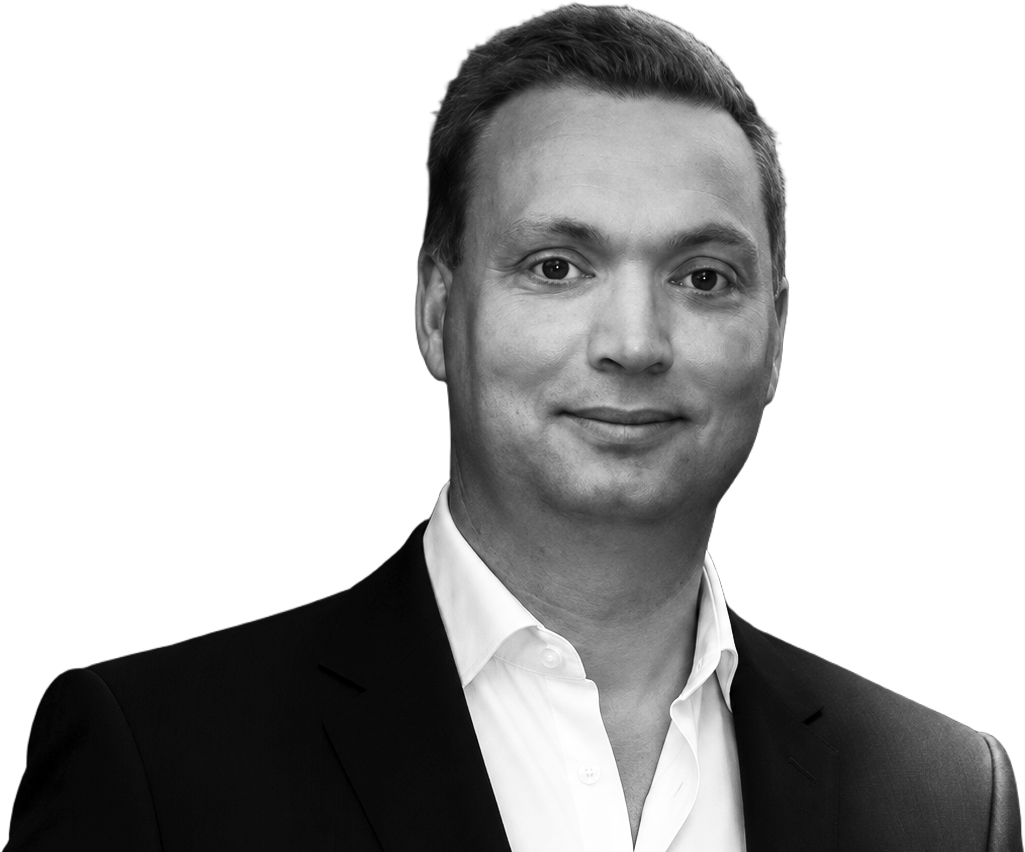
Erik Asnyg, founder and managing director, Oceanwise
Cultural friction: two worlds, one bridge
Commercial mariners are trained to prioritise safety, procedure and operational discipline. Yacht owners often prioritise flexibility, comfort and personal preference. This difference in priorities can create tension.
Owners who want “just a quick departure”
In commercial operations, departure is a process. In yachting, departure is sometimes treated as a convenience. A master who insists on proper checks may be seen as inflexible, even though they are simply doing their job.
Guests who expect hospitality over procedure
Yachting is a luxury service environment where guests expect seamless experiences, but seamlessness must never override safety. When hospitality expectations conflict with maritime procedure, the master is placed in a difficult position.
Managers who want operational perfection without operational authority
Commercial masters operate with clear command autonomy. Yacht masters sometimes operate in environments where decisions are questioned, overridden or influenced by non‑maritime priorities. This undermines the role and increases risk.
Responsibility without authority
This is the core issue. Commercial masters are responsible for safety – and empowered to enforce it. Yacht masters are responsible for safety, but not always empowered to enforce it. This imbalance is not sustainable.
A master cannot be held accountable for outcomes they are not fully empowered to control. When owners, guests or managers influence operational decisions, the master’s authority is diluted. This creates a dangerous dynamic: accountability without autonomy. Professional mariners recognise this immediately. Many choose not to enter environments where their judgement may be overridden by non‑maritime considerations.
Retention challenges
Even when commercial masters join the yacht sector, retention is difficult. The reasons are predictable: burnout from long rotations, a lack of long‑term career pathways, inconsistent management practices, cultural misalignment between maritime professionalism and luxury service, blurred authority lines and limited support for continuing professional development
The result is predictable: commercial masters return to commercial shipping, where the structure supports their professional identity.
Why proper rotation benefits the owner directly
Rotation is often discussed as a crew welfare issue. In reality, the primary beneficiary is the owner. A well‑rested, mentally strong crew is a safety system and shouldn’t be regarded as a luxury.
Operational safety improves
Fatigue is one of the most common contributors to maritime incidents. A rested bridge team makes better decisions, maintains sharper situational awareness and responds faster when conditions change. Rotation isn’t about cost, rather it’s about risk mitigation.
Consistency and stability
Rotated crews stay longer. They build familiarity with the vessel, its systems and the owner’s preferences. This reduces turnover, on-boarding time and operational disruption.
Rotation signals that the vessel is run like a professional maritime operation. This attracts better
crew, retains them longer and creates an environment where the master can exercise proper
command authority.
Better maintenance and fewer breakdowns
A tired crew maintains a yacht reactively, while a rested crew maintains it proactively. Proper rotation leads to better planning, cleaner execution and fewer surprises – directly protecting the owner’s investment.
Higher service quality
Service quality is inseparable from crew wellbeing. A rested interior team delivers better guest experiences and a rested deck team operates more smoothly, whole a rested engineering team prevents problems before they occur.
Reduced long‑term costs
While rotation may appear more expensive on paper, it reduces hidden costs such as: emergency repairs, recruitment churn, operational mistakes, insurance exposure and reputational risk. Owners who adopt proper rotation often discover that the yacht becomes cheaper to run, not more expensive.
A more professional culture on board
Rotation signals that the vessel is run like a professional maritime operation. This attracts better crew, retains them longer and creates an environment where the master can exercise proper command authority.
Solutions the industry should consider
If yachting wants commercial masters, it must evolve. These solutions aren’t radical; they are standard in every other maritime sector.
Realistic rotation models
A 4:4 or 5:5 rotation could be ideal, depending on vessel operation and location. Even a 4:2 model would be a significant improvement over the traditional yacht schedule. Rotation supports safety, professionalism and retention.
Professionalised HR
Clear contracts, defined responsibilities and transparent expectations reduce friction and support long‑term engagement.
Defined authority lines
The master must have full command autonomy. This is not negotiable. Without it, the role becomes symbolic rather than functional.
Career pathways
The industry should create structured pathways beyond the bridge – fleet management, training, safety oversight, operational leadership. This will attract professional mariners who want long‑term careers, rather than short‑term roles.
Conclusion
The superyacht industry has an opportunity to attract the best mariners in the world, but to do so, it must align its employment model with the realities of professional maritime life. Commercial masters bring competence, judgement and stability. In turn, yachting must bring structure, clarity and respect for the role.
Then rotation becomes a foundation rather than a benefit, authority a requirement instead of a courtesy and professionalism a responsibility, not a preference. If the industry wants commercial masters, it must evolve. If it does, owners, crew and vessels will all benefit, not just in safety, but in performance, longevity and the overall quality of the yachting experience.
As an open-source platform we offer an industry-wide invitation to anyone and everyone in our sector to share their knowledge, experience and opinions. If you have an interesting and valuable contribution to make, and would like to join our growing community of guest columnists, share your ideas with us at newsdesk@thesuperyachtgroup.com
NEW: Sign up for SuperyachtNewsweek!
Get the latest weekly news, in-depth reports, intelligence, and strategic insights, delivered directly from The Superyacht Group's editors and market analysts.
Stay at the forefront of the superyacht industry with SuperyachtNewsweek
Click here to become part of The Superyacht Group community, and join us in our mission to make this industry accessible to all, and prosperous for the long-term. We are offering access to the superyacht industry’s most comprehensive and longstanding archive of business-critical information, as well as a comprehensive, real-time superyacht fleet database, for just £10 per month, because we are One Industry with One Mission. Sign up here.
Related news
A superyacht is still a ship
Why operational judgement matters more as yachts venture further – and some thoughts about what can be learned from the commercial sector
Opinion
Where crew readiness is really tested
Captain Aggeliki Monastirioti explores the gap between formal qualifications and practical performance once crew step on board
Opinion
Between command and connection
A reflection on authority, connection and what the superyacht industry must confront to secure its future
Opinion
Related news
The familiarisation gap
1 month ago
A superyacht is still a ship
2 months ago
Where crew readiness is really tested
3 months ago
Between command and connection
4 months ago
NEW: Sign up for
SuperyachtNewsweek!
Get the latest weekly news, in-depth reports, intelligence, and strategic insights, delivered directly from The Superyacht Group's editors and market analysts.
Stay at the forefront of the superyacht industry with SuperyachtNewsweek