What the American marina roll-up is really paying for
Oscar Siches is right to warn about inflated marina valuations, but the American market is built on different foundations. Giuseppe Cicatelli explains ...…
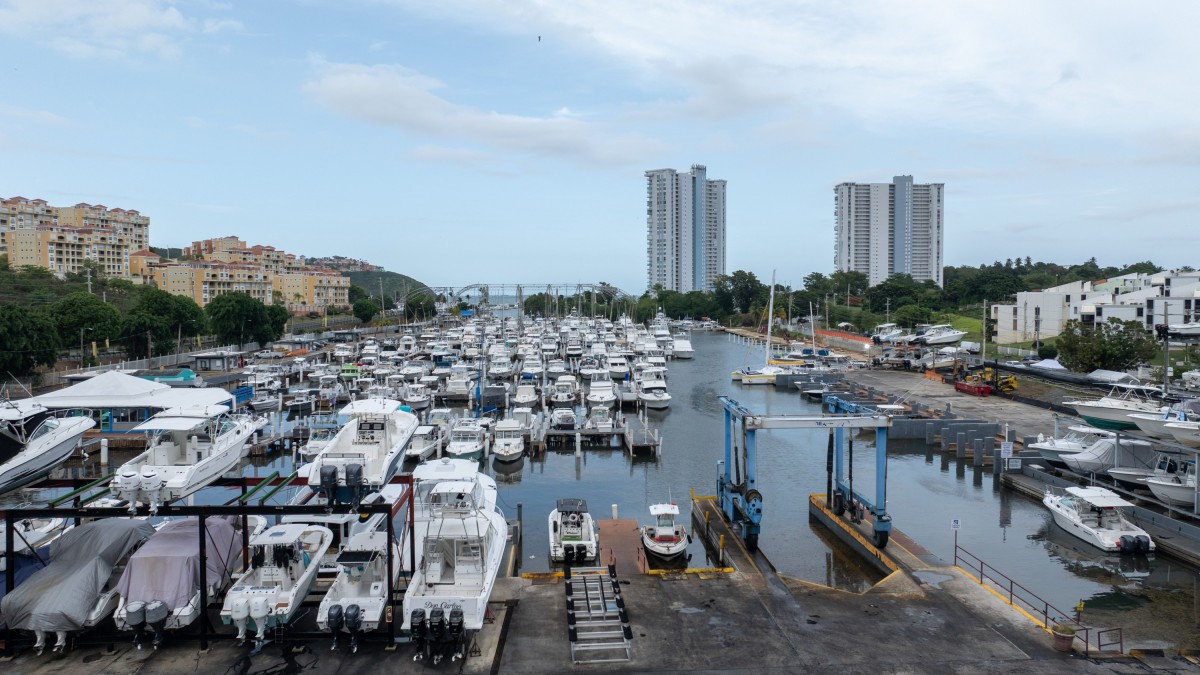
Villa Marina
I read Oscar Siches’ column “The culture of inflating value” nodding along for most of it. Anyone who runs marinas has seen deals put together by finance teams that seem to have little to do with what happens on the docks. And when a buyer overpays, someone makes up the difference later: customers through higher prices or staff through thinner service. The dockhands and managers who end up carrying that never sat at the negotiating table.
I should say where I stand. Through Bacalia Group I own and operate Grand Caribbean Marinas, six marinas in Puerto Rico, most of them in and around Fajardo, among them Marina Puerto Chico, Villa Marina and Isleta Marina. Between them we look after about 3,000 boats. After Irma and María hit in 2017 we put around US$50 million into rebuilding, so what a marina is worth is not an abstract question for me.
The US is different. Most American marinas sit on fee simple land the owner holds outright, with the water in front leased from the state as submerged land.
Siches writes mostly from a European point of view, and in Europe marinas are concessions. They expire. EU rules push renewals out to tender, and an operator can watch the value of years of investment go to zero on a date written into a contract. If that is your world, scepticism about big multiples makes sense.
The US is different. Most American marinas sit on fee simple land the owner holds outright, with the water in front leased from the state as submerged land. Those leases have generally been renewed for operators who keep up their side of the bargain. When Sun Communities bought Safe Harbor in 2020, its investor materials said 73 per cent of the marinas were owned fee simple. Owned land plus long-held water rights was the core of the Safe Harbor story, and it explains much of the gap between American and European prices that puzzles Siches. Our own marinas look similar: all six are held fee simple and some also carry concession rights.
Then there is the roll-up. Safe Harbor came with 138 marinas when Blackstone Infrastructure agreed to buy it from Sun in February 2025 for US$5.65 billion. Suntex has passed 100 since merging with Windward Marina Group’s Florida portfolio earlier this year. And in August, Safe Harbor agreed to buy MarineMax, the boat retailer that owns IGY, for US$1.5 billion in cash, in a deal expected to close by the end of the year. Below those sit a few regional platforms, and below them a long tail of independent, often family-owned marinas. That tail is where most of the next decade’s deals will come from.
None of this is happening far away from us. Safe Harbor owns Puerto del Rey in Fajardo, the largest marina in the Caribbean, and another marina in San Juan. The sector’s biggest consolidator is our neighbour and our competitor, so I watch the roll-up from just down the coast, not from a conference room.

Giuseppe Cicatelli, Founder and Principal of Bacalia Group, and owner and operator of Grand Caribbean Marinas.
In my experience buyers price four things, more or less in this order:
Regional scale comes first. A cluster of marinas on one stretch of coast is usually worth more than the same marinas sold separately, and the reasons are practical. You can move boats between basins when one is full or a dock is under repair. You share yard equipment, technicians and managers, you buy fuel and services on better terms and customers get a network instead of a single slip. A cluster also lets a large consolidator buy a lot in one go, which brings in more bidders. But the premium only holds if the marinas really are run as one business. A handful of unrelated sites under one logo has all the overhead of a platform and none of the benefits, and buyers work that out quickly.
Then location. Permits for new marinas are hard to get almost anywhere on the US coast, so existing basins in good markets keep their value. The south-east gets the best prices because people go boating there all year. A Florida marina earns from its slips, fuel dock and yard twelve months a year, while a marina in New England makes most of its money in a short summer. Puerto Rico has the same year-round season. The catch is hurricanes. We have to build and maintain to a higher standard, and any honest valuation has to reflect that cost.
Infrastructure investors pay for long-lived assets with predictable, recurring cash flow, and in a marina only one revenue line really qualifies: storage, whether wet slips, dry stack or boats on the hard. It works like rent from a stable base of tenants and it is the only part of a marina that should be valued as infrastructure.
Third, who the customers are. Owners who keep the same slip year after year give you a stability that transient boats never will, however good a busy weekend looks. Sun’s 2020 materials put average member tenure at Safe Harbor at 8.3 years and that is what makes the cash flow bankable. Our annual slip holders in Fajardo stay an average of 8.6 years. They renew at the end of the year and accept reasonable price increases when the service justifies them.
The fourth is revenue mix. To me this is the factor that matters most – and it is also the real reason prices have gone up. Marinas are the new kid on the block in infrastructure and it is no accident that Safe Harbor’s buyer was Blackstone’s infrastructure arm. Infrastructure investors pay for long-lived assets with predictable, recurring cash flow, and in a marina only one revenue line really qualifies: storage, whether wet slips, dry stack or boats on the hard. It works like rent from a stable base of tenants and it is the only part of a marina that should be valued as infrastructure.
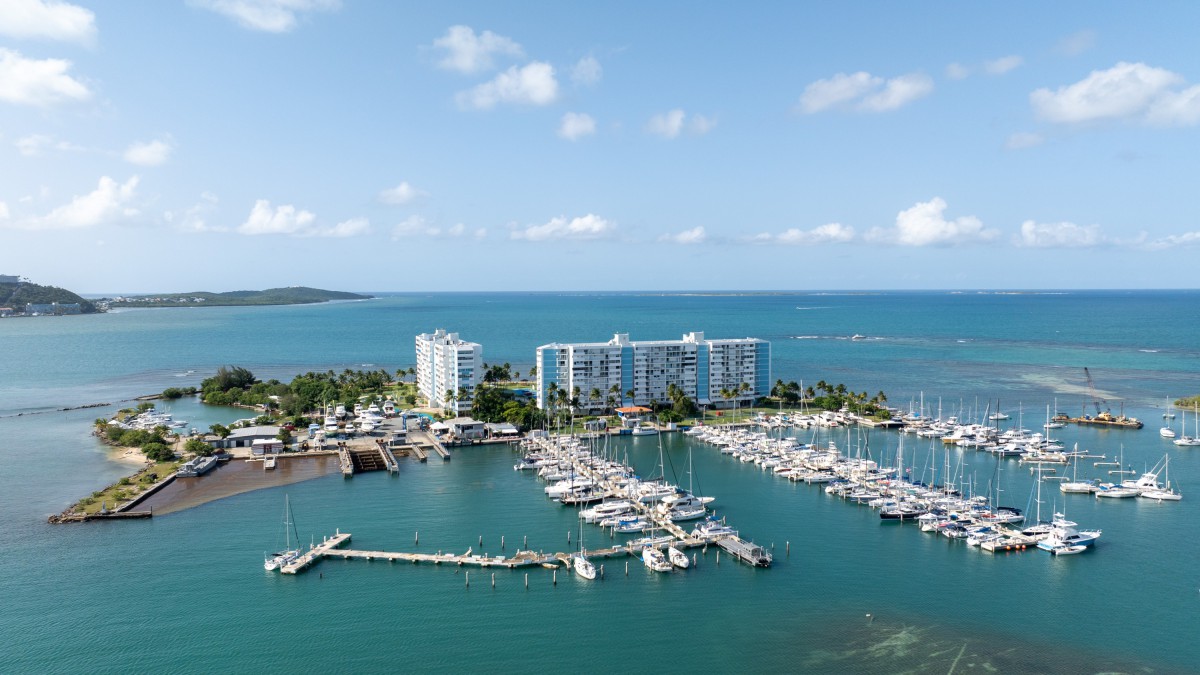
Isleta Marina
The rest needs a different lens. Repair work depends on skilled technicians who are hard to find, rises and falls with the economy, and comes with warranty and liability risk. And some marinas that look like infrastructure from the water turn out, once you open the accounts, to make most of their money from a restaurant, a boat dealership or a charter fleet. Those are hospitality, retail and tourism businesses that happen to sit on the waterfront, and they deserve much lower multiples. Safe Harbor’s purchase of MarineMax will put a large dealership business inside the biggest marina platform in the country, and how buyers and lenders separate that income from slip rent will be worth watching.
We made a deliberate choice about this when we rebuilt after María. We built commercial space, restaurants and facilities for charter companies and boat clubs, but we lease all of it to specialist operators and run none of it ourselves. They take the operating risk, we collect the rent, and storage stays at the heart of the business.
This is where Siches’ warning hits home on our side of the Atlantic too. Sun said Blackstone’s price was about 21 times Safe Harbor’s estimated 2024 funds from operations. That is the price of a national platform with owned land, year-round markets, long-tenured customers and a lot of storage income. The trouble starts when someone pays a similar multiple for a single independent marina that lives off transient traffic, repair hours, restaurant covers or charter bookings. Paying an infrastructure price for what is really a hospitality or services business is America’s version of the wishful thinking Siches describes.
He ends by asking that valuations be grounded in time spent on the docks and there I agree with him completely. A spreadsheet will tell you what multiple a consolidator paid. It will not tell you whether a marina’s customers will stay, whether the money comes from storage or from a kitchen and a showroom, or whether its water rights rest on years of good dealings with the regulator. Only the people who run the place can answer that. In the US the answers are good far more often than in concession-bound Europe, which is why American marinas fetch the prices they do. But the questions still have to be asked, one marina at a time.
Giuseppe Cicatelli is Founder and Principal of Bacalia Group, based in San Juan, Puerto Rico, and owner and operator of Grand Caribbean Marinas, which operates six marinas in Puerto Rico.
As an open-source platform we offer an industry-wide invitation to anyone and everyone in our sector to share their knowledge, experience and opinions. If you have an interesting and valuable contribution to make, and would like to join our growing community of guest columnists, share your ideas with us at newsdesk@thesuperyachtgroup.com
NEW: Sign up for SuperyachtNewsweek!
Get the latest weekly news, in-depth reports, intelligence, and strategic insights, delivered directly from The Superyacht Group's editors and market analysts.
Stay at the forefront of the superyacht industry with SuperyachtNewsweek
Click here to become part of The Superyacht Group community, and join us in our mission to make this industry accessible to all, and prosperous for the long-term. We are offering access to the superyacht industry’s most comprehensive and longstanding archive of business-critical information, as well as a comprehensive, real-time superyacht fleet database, for just £10 per month, because we are One Industry with One Mission. Sign up here.
Related news

Have you ever cruised Jamaica or the Cayman Islands?
We want to know what you think about the Western Caribbean as a cruising ground
Crew
The culture of inflating value
With marina group transactions reaching headline-hitting sums, marina consultant Oscar Siches clarifies the valuations with a down-to-earth view
Opinion

Whalesong at Navidad Bank
What do 500 humpback whales look like from the deck of a superyacht? How EYOS, Yachts For Science and a 57-metre Feadship filled a 45-year gap in the scientific
Owner
D-Marin sold to InfraVia in €1 billion-plus PE exit deal
The sale of one of the largest marina operators to a French investor caps a six-year hold for CVC as private equity’s conviction in yachting deepens
Business
Related news
The culture of inflating value
2 months ago
Croatia’s marina bottleneck
3 months ago
Whalesong at Navidad Bank
4 months ago
NEW: Sign up for
SuperyachtNewsweek!
Get the latest weekly news, in-depth reports, intelligence, and strategic insights, delivered directly from The Superyacht Group's editors and market analysts.
Stay at the forefront of the superyacht industry with SuperyachtNewsweek