
Beware of trespassers!
Benjamin Maltby, lawyer and General Secretary of The Owners Club, offers prospective new yacht owners a practical guide to the do’s and don’ts…
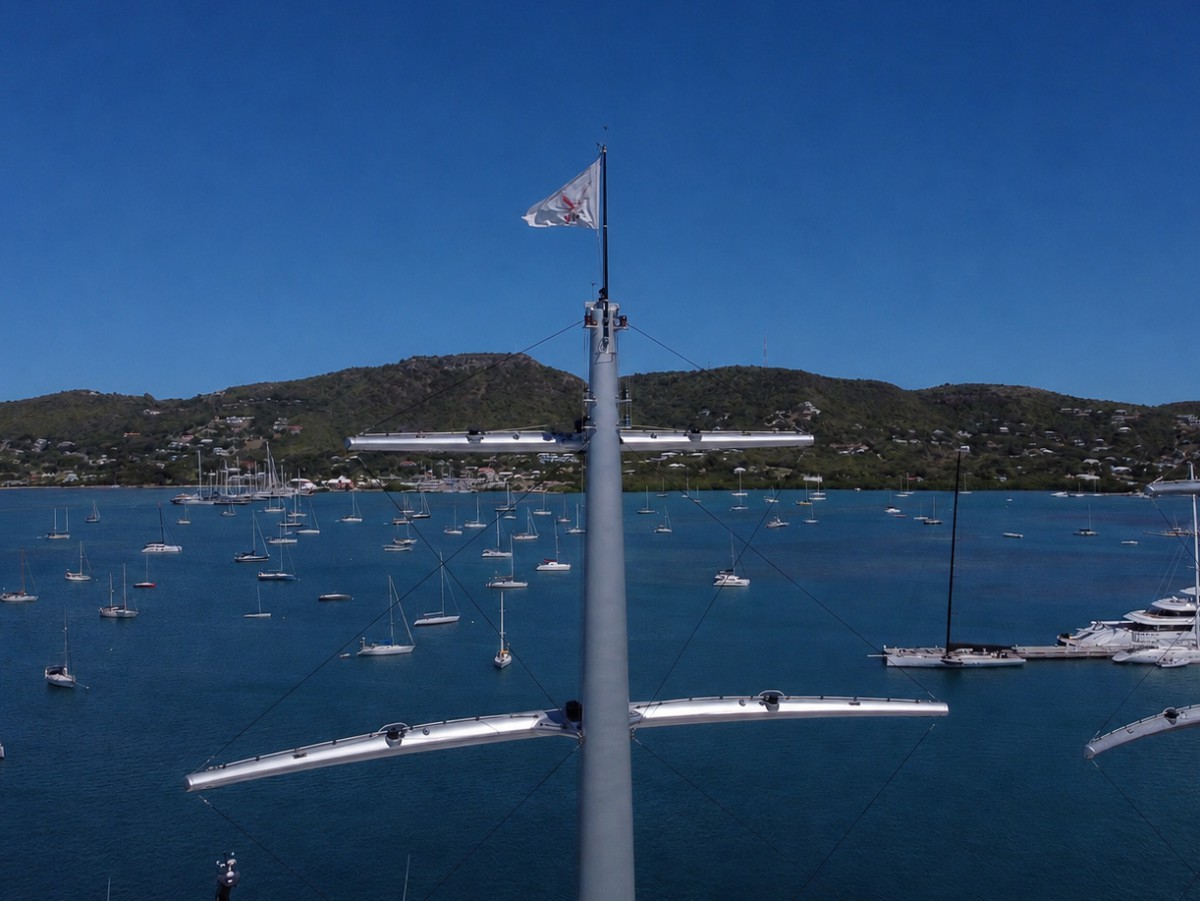
From the buyer’s perspective, it all looks so straightforward. They have money, and they wish to exchange it for a large, shiny boat. They browse websites, attend some yacht shows, view some vessels, shake hands and sign an agreement – et voilà – it’s theirs. Except, of course, it isn’t that straightforward. And the reason why buyers need expert representation is because, left to their own devices, they’ll become trespassers – to their detriment.
What’s trespassing?
In his eponymous 2019 paper, Nathan Ballantyne, Associate Professor of Philosophy at Arizona State University, defines what he calls ‘epistemic trespassing’.* This is when someone who is an expert in one field trespasses into another – in which he or she lacks the knowledge and/or skills needed for good judgement, and yet confidently makes decisions anyway – leading to suboptimal outcomes.
In other words: just because someone is brilliant at making money, they’ll still need help when buying. And that, argues the professor, is exactly as it should be.
Epistemology is just the term given to that branch of philosophy devoted to the study of knowledge: its nature, sources, justification and limits. Epistemic expertise requires both sufficient knowledge and the skills required to use that knowledge properly. Being an ‘expert’ here doesn’t mean omniscience: experts can disagree with each other while still meeting the thresholds of knowledge and skill.
Forms of trespassing
Specifically, trespassing takes one of the following forms:
1. Having the skills but lacking knowledge – for example, you’re excellent at negotiations, but lack certain technical facts, such as the realities of deferred maintenance.
2. Having knowledge but lacking the skills – for example, you’ll be shown the stability booklet but you haven’t got a clue what hydrostatic particulars are.
3. Lacking both knowledge and skills – for example, you don’t know what you don’t know about class compliance or charter restrictions.
Most trespasses occur due to the hybrid nature of the subject matter. So while buyers will be familiar with asset procurement, superyachts are a very different proposition from, say, real estate or aircraft. Similarly, their businesses may employ vast numbers of workers, but their rights and expectations will differ significantly from those of seafarers.
The Dunning–Kruger effect also comes into play. This is the academic label applied to situations where people who lack knowledge are also oblivious to their inexperience, leaving them unreasonably confident in their judgement. It’s a ‘double curse’ of inability, plus an inability to detect that inability. Trespassers may have just enough knowledge to feel confident, but not enough to avoid error.
Superyacht ownership is not simple. It is a sustained exercise in managing complexity across multiple domains simultaneously – technical, legal, regulatory, financial, operational and interpersonal.
Not always obvious
But why isn’t trespassing obvious to the trespasser? Ballantyne has identified three main defences, which, in the context of a superyacht purchase, are as follows:
1. They’re trespassing in a field whose experts’ opinions do not affect their conclusions. They might think that surveyors are pessimists or that their crew can surely put things right later. They could be right, they could be wrong, we’ll see.
2. They’re trespassing, but they think that they already have all the knowledge they need. They’ll have seen from their own inspection that everything looks fine, so it probably is – but that’s not knowledge, it’s vibes.
3. They’re trespassing, but they consider their existing skills to be sufficiently transferable and give them all the expertise they need. They’ll treat the purchase as just another deal to be completed, without sufficient thought to the long term.
Practical do's & don’ts
So now we know that trespassing is a recognised behavioural pattern, what, from the buyer’s perspective, are the resulting dos and don’ts when buying a superyacht? Here’s ten of each:
Do:
1. Accept that you’re an expert in many things – but not everything
2. Put together a team, covering all aspects of the purchase, not just the technical, including legal and tax, in all relevant jurisdictions
3. Model a five-year plan of true likely operating costs and any charter income
4. Discuss the vessel and your itineraries with insurers as soon as possible
5. Start engaging with candidate shoreside technical managers if required
6. Obtain full references from candidate captains and crewmembers
7. Get to the bottom of what any recent ‘refit’ did or did not entail
8. Look out for obsolete equipment with poor support
9. Treat sea trials as screening rather than proof
10. Seek second opinions if need be
Don’t:
1. Accept a non-standard sale and purchase agreement: the industry standard contracts aren’t ideal but the parties’ positions are broadly known and understood
2. Allow ‘private use’ as an excuse for thin paperwork and a lack of certification and records
3. Skip any due diligence for the sake of beating a competing purchaser
4. Rely on charter projections without discussing with charter brokers first
5. Engage technical managers on a lowest-bid basis
6. Rely solely on the reputation of the builder
7. Treat any test or trial as conclusive
8. Think that your crew will be able to fix every defect picked up in the survey
9. Agree to any refit work without a works scope and fixed payment milestones
10. Dismiss bureaucratic stages and documents as mere paperwork
Superyacht ownership is not simple. It is a sustained exercise in managing complexity across multiple domains simultaneously – technical, legal, regulatory, financial, operational and interpersonal. The people who do it well are not the people who understand all of it themselves, they are the people who understand that they don't and who surround themselves accordingly with people who do.
*Published in academic journal Mind in 2019.
This article does not provide or replace legal advice.
As an open-source platform we offer an industry-wide invitation to anyone and everyone in our sector to share their knowledge, experience and opinions. If you have an interesting and valuable contribution to make, and would like to join our growing community of guest columnists, share your ideas with us at newsdesk@thesuperyachtgroup.com
NEW: Sign up for SuperyachtNewsweek!
Get the latest weekly news, in-depth reports, intelligence, and strategic insights, delivered directly from The Superyacht Group's editors and market analysts.
Stay at the forefront of the superyacht industry with SuperyachtNewsweek
Click here to become part of The Superyacht Group community, and join us in our mission to make this industry accessible to all, and prosperous for the long-term. We are offering access to the superyacht industry’s most comprehensive and longstanding archive of business-critical information, as well as a comprehensive, real-time superyacht fleet database, for just £10 per month, because we are One Industry with One Mission. Sign up here.
Related news
French bill proposed for 50-metre-plus superyachts
A private member’s bill could ban superyachts over 50 metres from entering French ports, marinas or territorial waters
Opinion
The 3% case
What the residual value gap between a certified expedition yacht and an explorer-styled look-alike actually costs
Opinion
The biggest market in yachting is also the most broken
Why the sub-40-metre segment has the most potential buyers, the least margin – and what nobody is doing about it
Opinion
What a judge already told us about yacht valuation
Why length is a poor proxy for value on any individual hull – a judicial specification for how to value a yacht
Owner
Related news
French bill proposed for 50-metre-plus superyachts
2 months ago
The 3% case
2 months ago
What a judge already told us about yacht valuation
3 months ago
NEW: Sign up for
SuperyachtNewsweek!
Get the latest weekly news, in-depth reports, intelligence, and strategic insights, delivered directly from The Superyacht Group's editors and market analysts.
Stay at the forefront of the superyacht industry with SuperyachtNewsweek