
Midnight amongst the ice
Learning from experience while navigating in an alien environment…
Accidental ‘Ice Queen’ Captain Maiwenn Beadle was the first woman to captain a superyacht through the Northwest Passage. As yachting moves into Polar waters, she reflects on what the Arctic teaches about leadership and why how you handle a mistake matters more than the mistake itself.
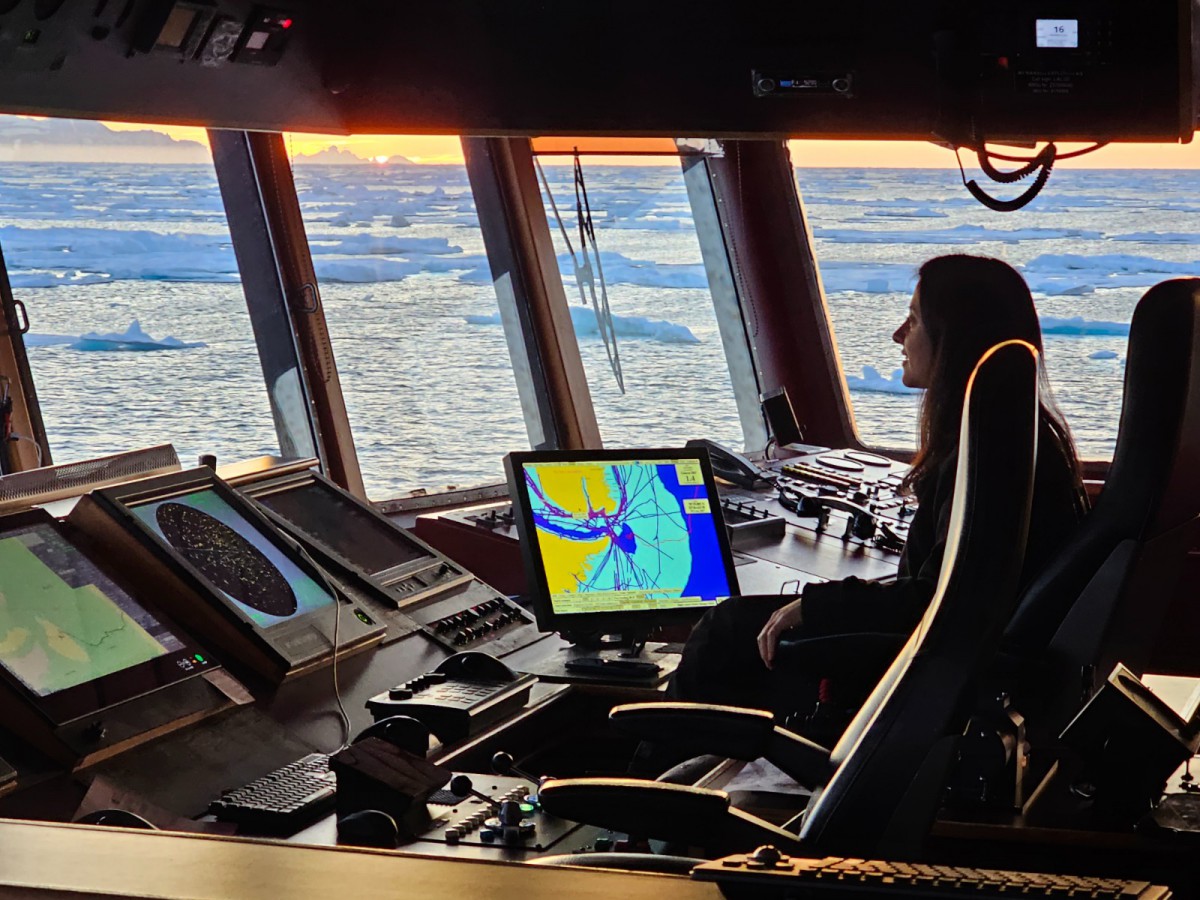
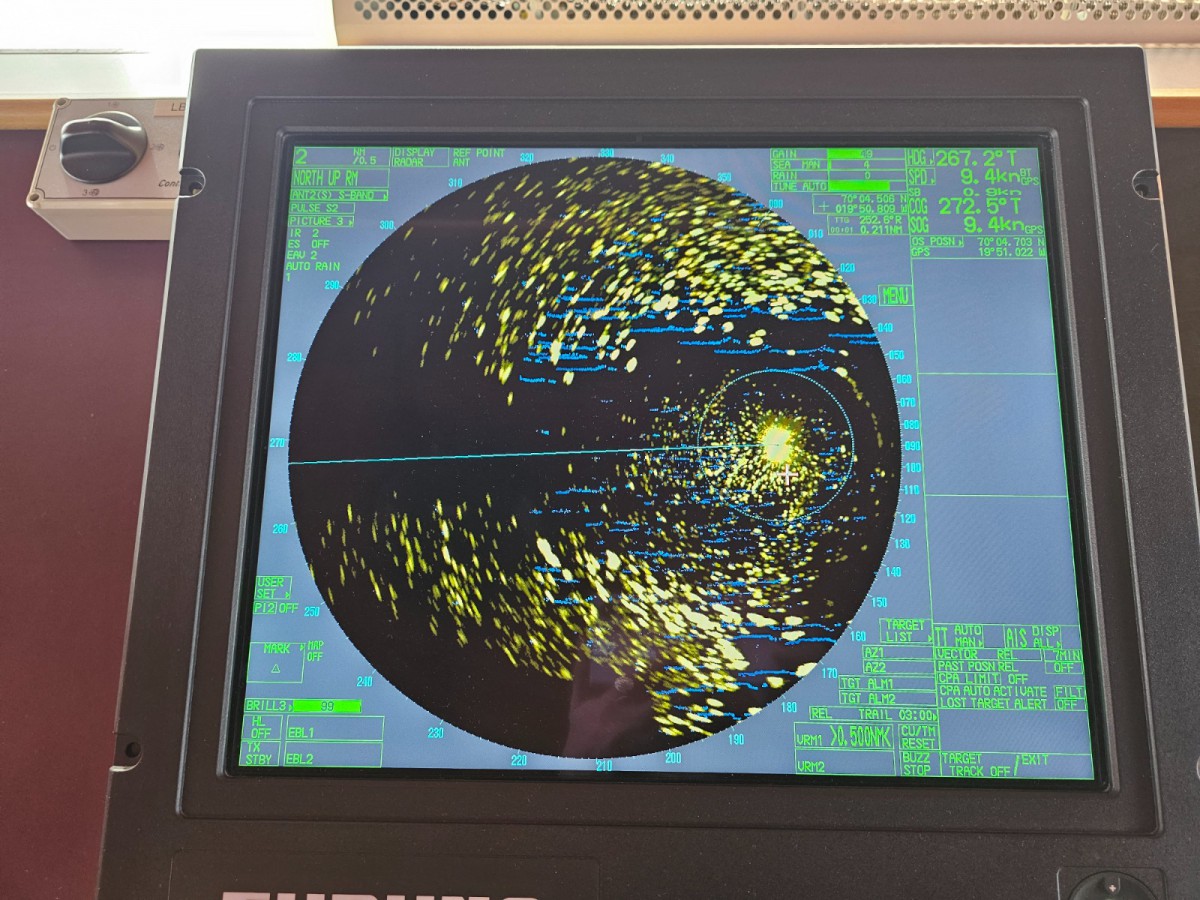
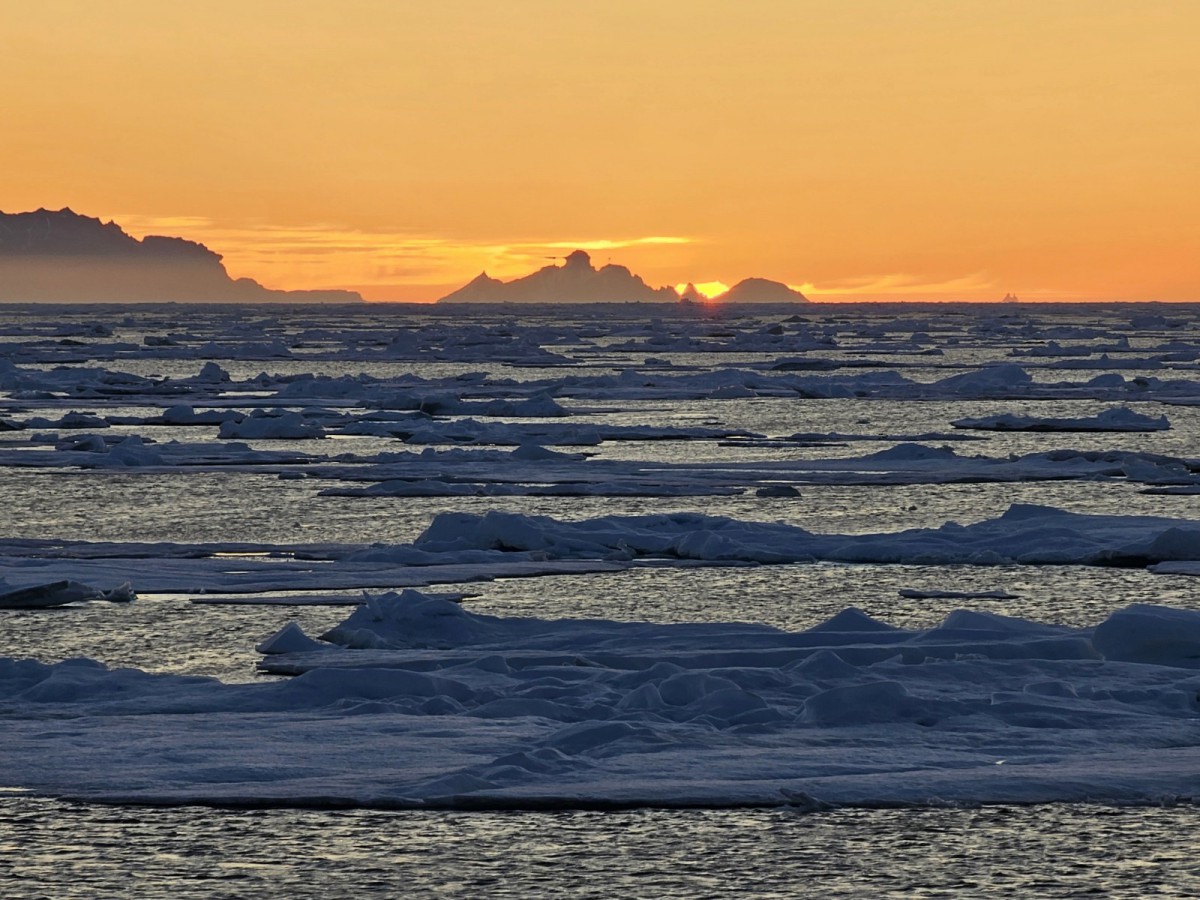
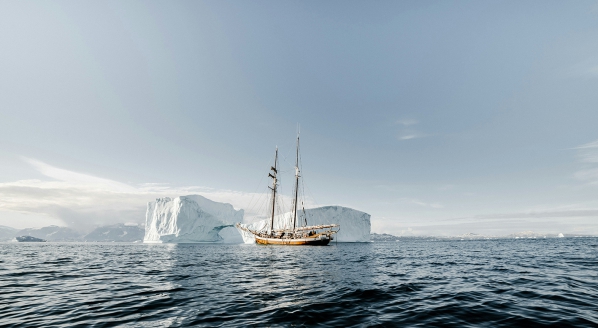
There is a tap, tap on my cabin door, “Good evening, Captain. It’s midnight, all is well and I have ice ahead.” My second officer has just woken me to ask for my help. As I step onto the bridge, the sun is due north and just touching the horizon. As the watch progresses, it moves west to east, its fiery orange light illuminating a line of large bergs to our north. Some of them are the size of ships, others the size of small football stadiums. But this isn’t our concern; this is just business as normal, another day at the office. My Mate’s concern is a line of targets on the radar, due West, straight ahead. It stretches across the entire screen, north to south across our path. From this distance, now about six miles away, it is an unbroken barrier across the screen.
You can see this ice line on the ice chart, laid out on the chart table next to the weather and the voyage plan, downloaded from the Danish Met Office earlier in the day. It is clearly delineated, but on the ice chart, it’s marked to the north of our position. During the 24 hours since the chart was issued, it has now drifted south with the East Greenland current. There it is, though, clearly visible on the latest satellite image, curving to the front and south of us, a great spiral arm wrapped around our current position.
When you hand someone the authority to make a decision, you can only accept that decision in the present, resolve any issues, support their thought process and let them learn.
Somehow, someone has missed the night order requesting we approach Scoresby Sund from the south to avoid the predicted drift and to approach the Bay inside the ice by running close to shore. But now isn’t the time to think about who and why, my officers have the authority to adjust course and I know they made what they felt was the correct decision while surrounded by what looked like open water.
When you hand someone the authority to make a decision, you can only accept that decision in the present, resolve any issues, support their thought process and let them learn. We have all made this mistake as we start ice navigating, wanting to believe the information from our eyes. Our brains constantly seek to fit the world around us into a box we understand and they struggle to grapple with this totally alien world. But presently that’s not what is important; we have a long watch ahead of us tonight and a lot of ice to navigate. My mate won’t make the same mistake again and right now I can see her discomfort; there’s no need for words, lesson learned.
The band of ice is just coming into sight, lit by the low golden light, the densest band a few miles wide. From the chart and the satellite, I can see it is sea ice, seven or eight tenths, medium-sized floes up to two metres thick, drifting south and curving away 20 miles behind our current position. For a normal vessel, this would mean turning round and following back around into clearer water. But Nansen Explorer is A1 Ice Class and the vessel is built for this. The sea ice is decaying and starting to fall apart. The density of the floes leaves enough room for it to weave its way through with just an occasional nudge. I am not going back to bed for a few hours, but my second officer keeps the con and together we push our way through to the more open water behind.
This is the hardest form of navigation there is. Arctic sailing and expedition work demand far more than technical ability. They require the capacity to interpret a landscape that is constantly changing.
The Arctic has a way of reminding you that you are in a completely alien environment. In the far north, navigation takes on a different shape. Success is about planning, attention and discipline and most of all about the ability to assimilate changes and sail with them. In this environment, one plan isn’t going to be enough and your schedule is not the most overriding factor. Here, it’s not going to be easy and success is not guaranteed.
This is the hardest form of navigation there is. Arctic sailing and expedition work demand far more than technical ability. They require the capacity to interpret a landscape that is constantly changing. Ice is never still, it fractures, drifts, compresses and reforms in response to forces that are not visible. The weather evolves quickly and often without warning. Light behaves differently, flattening distance and distorting perception. In such conditions, traditional markers of progress like speed, efficiency and completion can become secondary. What matters is the ability to ask the right questions at the right time and to adjust decisions based on what is actually happening rather than what was expected.
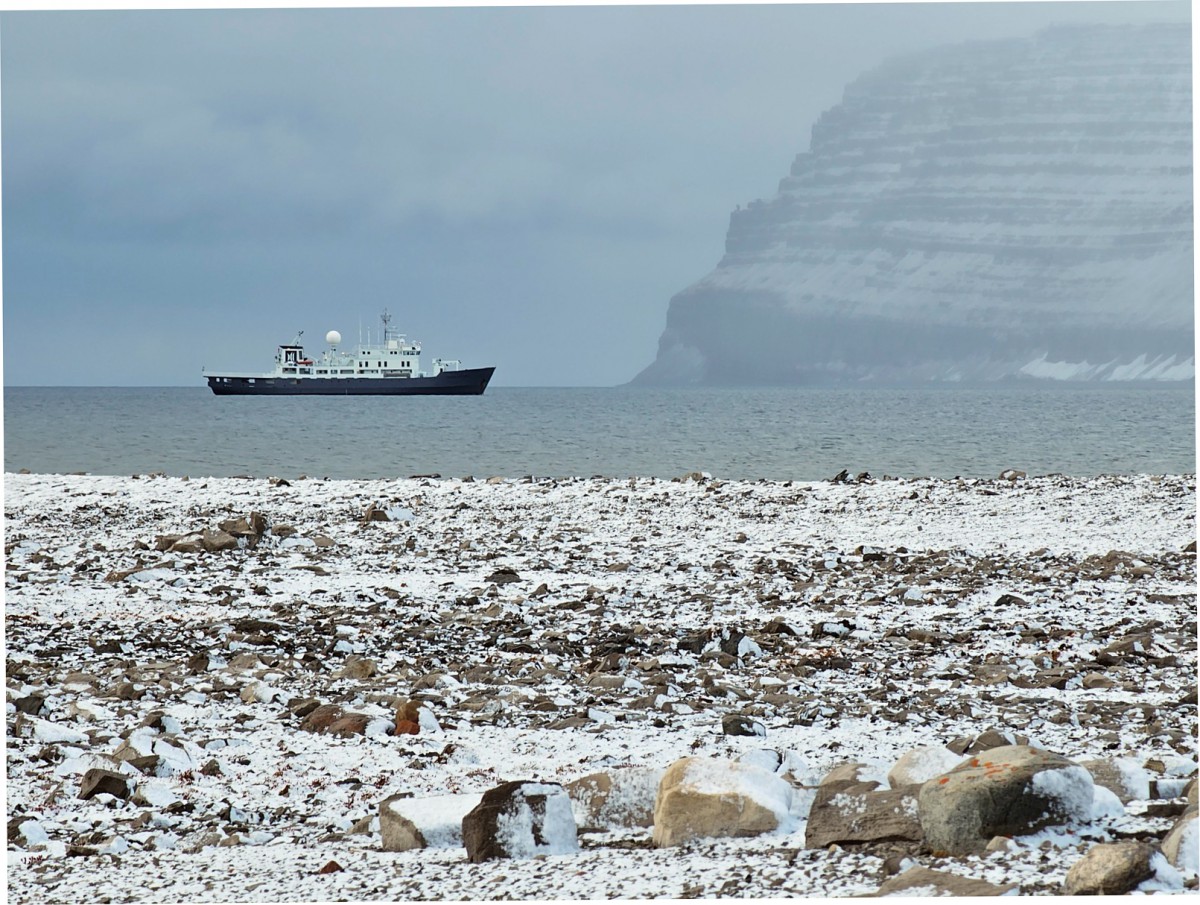
Modern vessels may be equipped with advanced navigation systems, access to real-time satellite data and this technology indicates where ice has been, but it cannot fully predict where it will move next. Every ice chart is at least 24 hours delayed; clouds obscure a satellite image, wind and current shifts. The interpretation of the outcome remains a human responsibility.
As yachting moves into these fragile and beautiful environments, it can be challenging to adjust the way we operate, to become aware of our own limitations and to accept those of our vessel. There is a strong drive to deliver the standards normal to other areas of yachting – to push the boundaries, go a little further, to get the next Instagram shot. It’s easy to forget the unforgiving nature of a place that is at times literally beyond the end of the charts and the reach of outside support.
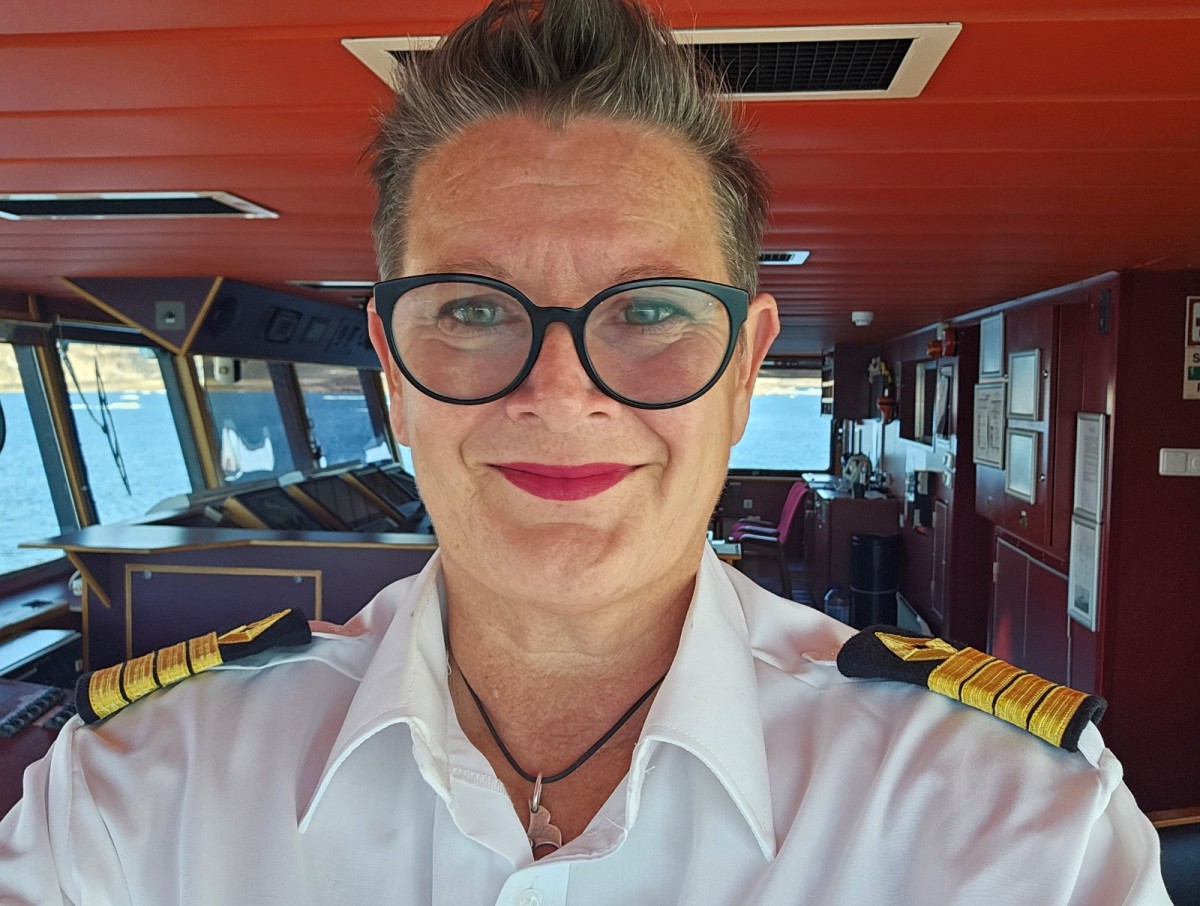
I never did ask who changed the route that night, although sometimes late at night on the bridge, I think about it. My officer called me in plenty of time and that to me was the critical decision. The fact that they must always feel comfortable calling me, for any question at any time, and that they never felt that they might be berated for doing so was something that I sometimes had to remind myself of before I spoke. My second officer is now first officer on The World, a 45,000gt cruise ship, and she wears those three stripes with well deserved pride.
This article first appeared in The Superyacht Report: Captains Focus. With our open-source policy, it is available to all by following this link, so read and download the latest issue and any of our previous issues in our library.
NEW: Sign up for SuperyachtNewsweek!
Get the latest weekly news, in-depth reports, intelligence, and strategic insights, delivered directly from The Superyacht Group's editors and market analysts.
Stay at the forefront of the superyacht industry with SuperyachtNewsweek
Click here to become part of The Superyacht Group community, and join us in our mission to make this industry accessible to all, and prosperous for the long-term. We are offering access to the superyacht industry’s most comprehensive and longstanding archive of business-critical information, as well as a comprehensive, real-time superyacht fleet database, for just £10 per month, because we are One Industry with One Mission. Sign up here.
Related news
Who is really in command?
Andrew Roch asks how the power held by management companies can affect captains’ leadership and their sense of disempowerment and psychological safety
Opinion
The invisible curriculum
Andrew Roch, founder and CEO of Yacht Crew Recruitment & Training, on leadership, mentorship and how great captains are really made
Crew

Acting, leadership and the future of command
What acting classes taught me about yachting – by Captain Carsten Franik
Opinion
Polar safety code revised
Maritime and Coastguard Agency update on widening of special standards for safe travel in harsh conditions to protect people as well as the environment
Crew
Related news
Who is really in command?
4 months ago
The invisible curriculum
6 months ago
Acting, leadership and the future of command
10 months ago
Polar safety code revised
1 year ago
NEW: Sign up for
SuperyachtNewsweek!
Get the latest weekly news, in-depth reports, intelligence, and strategic insights, delivered directly from The Superyacht Group's editors and market analysts.
Stay at the forefront of the superyacht industry with SuperyachtNewsweek