
Preparation is everything
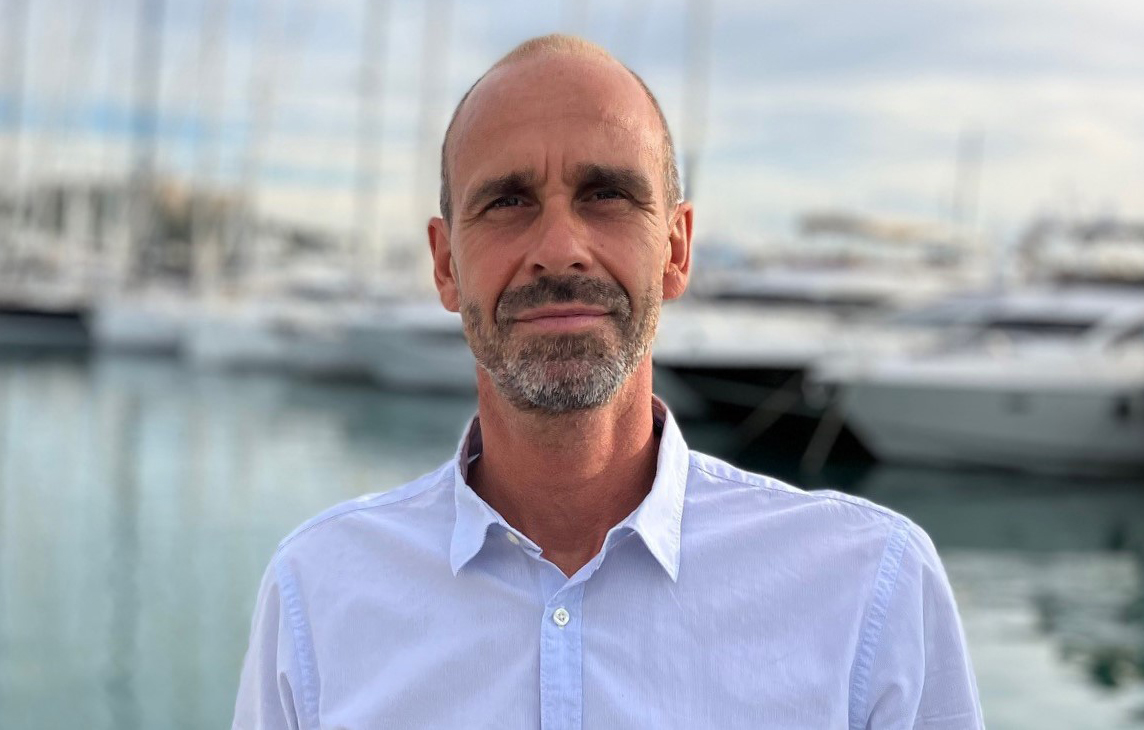
Bob Wagemakers, naval architect and project director at Virtue Yacht Projects, on the value a project manager brings to the unique complexities of refit…
With so many yachts out there and a limited number of high-end shipyards that can service them, early refit planning and booking is essential. Yachts have been getting bigger and more complex and rely increasingly on the original equipment manufacturers (OEM) for the service maintenance tasks. If you want to go to the quality refit yard of your choice and use your preferred service contractors, you need to prepare well in advance. Making a call at the end of the summer season to see if a shipyard has space is likely to lead to disappointment and a chaotic refit process.
Talking to owners, captains, shipyards and other industry stakeholders, stories of refits gone wrong are still too common. The reasons why are broad, but most would agree that if the project was better prepared, the chances of success would have been far greater.
For years, we’ve been advocating having a dedicated refit professional involved from an early stage: someone who works with the crew, owner’s office and management to implement the client’s wishes, define the scope of works and advise on the best route to take. From there on, this person aligns with the vessel’s operation and has a transparent communication loop with all stakeholders, always making sure everyone is informed of what is happening. This brings a lot of synergy to the project and gets everyone’s knowledge on board. Taking a proactive role in designing and organising the project and not leaving the shipyard to figure everything out brings leadership and control to the project.
Having had the chance to work with various clients who understood the time required and who were willing to make the investment in a timely approach, the proof exists that refits can be highly successful in a minimum amount of time, at the shipyard of choice, with the preferred OEMs, in a cost-effective manner (read: less time in the yard and less emerging work and surprises) and with a positive experience for owner, crew and shipyard.
Recent discussions with refit professionals at the Refit Advisory Group at this year's Monaco Yacht Show raised the topic of client education and the investment in qualified project management. Something that is often a hard sell is that the project management comes on top of the operational crew and (technical) management costs. Owners may ask: ‘Why can’t the crew prepare the refit and why is the refit preparation and management not part of the standard management fee?’. It’s because of the time and experience required to get it right, especially for more complex refits and with larger vessels. The crew, knowledgeable as they are with the vessel, also need to run the boat and ensure an amazing guest experience. The technical management fee normally cannot cover the time it takes to specify and manage the project, and many management companies are not able to cover the refit needs for their complete fleet.
Refit tends to distinguish itself from new-build projects in a more dynamic environment, with more risk of surprises and generally less time for planning. This thus requires more flexibility and creativity.
Skills acquired from managing dozens of refits for both shipyards and owners bring leadership to the table, which is key to preparing correct specifications and taking balanced decisions, as well as being able to progress with authority when dealing with all parties involved. Another aspect is making a plan and sticking with it, which is not always easy when owners do not want to commit early to a refit period. But the fixed periodicity of Class intermediate and renewal surveys can help with long-term planning.
Late changes in the project preparation phase or once the refit is underway can have devastating effects on cost and timeframe. We now see some of the main service providers having four to six-month lead times for booking technicians, whose slots will need to be rescheduled if the plans change. The best refits are those where most of the work is clear, specified and contracted well before arrival, with only emerging works that could not possibly be foreseen added to the scope, but that equally demand a reasonable and healthy budget contingency.
Further, we witness a growing desire from clients and crew to reduce the environmental impact of their yacht. Although a lot of gains can be made from simple operational changes (optimising cruising speed and route planning, HVAC consciousness, waste management etc.), some more profound changes like propulsion optimisation, hybrid retrofits, HVAC upgrades or waste-heat recovery require feasibility studies, engineering and Class approval. These points all require timely planning but may have a major positive impact on the client’s experience and the future value of the vessel.
So what makes somebody qualified to run a refit (or a new-build) project? There is obviously no single path to follow, but our opinion is that the professional in charge should have a broad knowledge of all technical aspects, contract and project management. This comes from both professional education and experience, which is preferably validated by a professional body’s committee. Having worked on both sides of the fence for both owners and shipyards is a plus and creates a profound understanding of the tasks and challenges involved, as well as empathy and mutual trust in the project. While a single all-rounder project manager may be running the show on the ground, we, for example, back this up with a team of specialists for naval architecture, marine engineering, electrical engineering, (interior) outfitting, project and contract management to thoroughly cover all facets of the project. This is then supplemented by a longstanding network of trusted industry partners that have a successful track record. It is important that the same person(s) is (are) involved from the early contact through to completion of the project. Too often, a client pays to have a good spec made, but the same team is then not following the project through and part of the effort is lost.
Finally, how are the demands of a refit different from those of a new build? Refit tends to distinguish itself from new-build projects in a more dynamic environment, with more risk of surprises and generally less time for planning. This thus requires more flexibility and creativity. Also, plans are more likely to change, as the yacht is in use (and owners like using them!). The shorter nature of refits makes them often more intense. While new-build projects, especially in the 100-metre-plus segment, involve owners’ teams comprising various specialists, a refit manager needs a very broad knowledge from machinery to paint works to yacht operation and from liaison with Class and Flag to interior outfitting.
One thing is for sure, the experience that comes from refit projects brings a huge benefit to a new build and, vice versa, the structured approach and in-depth knowledge from new builds profits the refit.
This article first appeared in The Superyacht Report: Refit Focus. With our open-source policy, it is available to all by following this link, so read and download the latest issue and any of our previous issues in our library.
NEW: Sign up for SuperyachtNewsweek!
Get the latest weekly news, in-depth reports, intelligence, and strategic insights, delivered directly from The Superyacht Group's editors and market analysts.
Stay at the forefront of the superyacht industry with SuperyachtNewsweek
Click here to become part of The Superyacht Group community, and join us in our mission to make this industry accessible to all, and prosperous for the long-term. We are offering access to the superyacht industry’s most comprehensive and longstanding archive of business-critical information, as well as a comprehensive, real-time superyacht fleet database, for just £10 per month, because we are One Industry with One Mission. Sign up here.
Related news

Choosing the right shipyard for refit
TSR: Terry Allen explains why choosing the right yard is not about finding ‘the best’, it’s about finding the right fit for the specific scope
Crew

Disrupt or be disrupted
Hot off the press from METS, Prof. Dr Christoph Ph. Schließmann comments on the new paridigm facing the superyacht industry
Opinion

Drawing the line between commercial and private use
Substance over weekends: private use inside commercial yacht structures is the EU-compliance frontier
Opinion

The future of interior subcontractors – what needs to change?
If you’re a shipyard exec, new-build or refit lead, designer, project manager or an owner’s representative – we want to hear from you
Fleet
Related news
Choosing the right shipyard for refit
10 months ago
Disrupt or be disrupted
11 months ago
NEW: Sign up for
SuperyachtNewsweek!
Get the latest weekly news, in-depth reports, intelligence, and strategic insights, delivered directly from The Superyacht Group's editors and market analysts.
Stay at the forefront of the superyacht industry with SuperyachtNewsweek