A new chapter for Water Revolution Foundation – and for our industry
Setting out a vision for raising the standards of environmental performance with clear metrics, credible standards and alignment across all stakeholders…
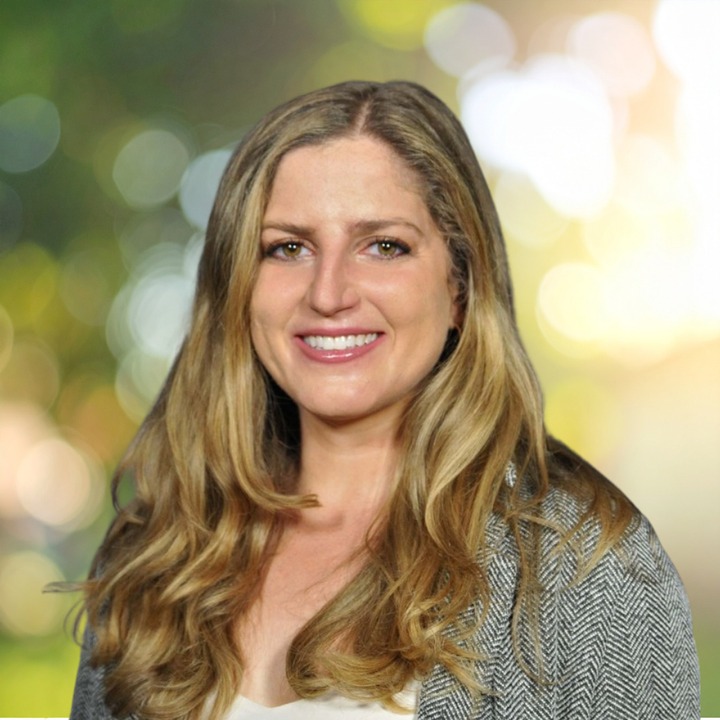
Leah Werner, the new executive director of Water Revolution Foundation
I trained as a biologist, and for more than the last decade my work has moved between science, law and environmental risk management in some of the most complex settings in the United States. That has included leading environmental risk strategy at some of the highest-risk and most publicly scrutinised hazardous waste sites in the country, where regulatory exposure, public attention and significant financial liability were constant realities.
Working in those environments teaches you how risk actually develops. There are sudden disasters that make headlines, but more often environmental pressure builds gradually. Emissions accumulate, ecosystems weake, and expectations shift until, at some point, action becomes unavoidable and the cost of change is much higher.
That systems perspective is what I bring to the superyacht sector. My intention in this role is to help move sustainability in yachting from aspiration to measurable, system-level practice, because long-term credibility will depend on it.
This industry is built around access to some of the most sensitive marine environments in the world. Coral reefs, seagrass meadows, coastal wetlands and island economies depend on ecological stability. At the same time, superyachts are energy-intensive assets that largely rely on fossil fuels for propulsion and hotel load, and operate in precisely those fragile regions. While they are not the only source of environmental pressure, their footprint per vessel is substantial.
There are shipyards experimenting with hybrid propulsion and alternative fuels, designers improving efficiency modelling and owners actively engaging with impact. That progress is real; what is not yet real is change at scale.
The sector’s capacity for innovation is one of its greatest strengths. There are shipyards experimenting with hybrid propulsion and alternative fuels, designers improving efficiency modelling and owners actively engaging with impact. That progress is real; what is not yet real is change at scale.
Across the fleet, conventional fuels remain the norm, structured environmental performance measurement is not yet standard practice, and efficiency gains are uneven. Incremental progress at the leading edge does not offset cumulative pressure across the system as a whole.
At the same time, the external context is evolving. Across major cruising regions and capital markets, environmental expectations are tightening. Ports are examining emissions, sensitive areas are limiting anchoring, and insurers and lenders are incorporating environmental risk into decision making. The pace differs by region, but superyachts operate internationally and depend on global financing, insurance and access. They are influenced by cumulative pressures across jurisdictions rather than by the policies of any one country.
In high-risk environments, the turning point always came when data made the issue unavoidable. Once impact was measured and risk was quantified, the conversation moved from opinion to accountability. This is why Water Revolution Foundation places such emphasis on structured measurement. Through the Yacht Environmental Transparency Index, or YETI, we translate environmental performance into comparable metrics that address propulsion demand, hotel load, fuel intensity and lifecycle impact.
Long-term credibility will depend on whether environmental performance is treated as central to how this sector evolves rather than as an adjunct to it.
Importantly, this work has now been recognised through ISO standardisation. That matters because once environmental performance is anchored in an international standard, it moves beyond voluntary narrative and becomes a shared technical reference point for the sector. Designers can compare options more consistently, managers can optimise operations with clearer data, brokers can position assets with greater confidence and owners can make decisions based on measurable impact rather than assumption.
My short-term priority is to support the practical adoption of this framework across the sector. In the mid-term, the focus must expand to the existing fleet. Most vessels operating today will remain active for decades and meaningful improvement cannot rely solely on new builds. Refits, operational optimisation, fuel strategy and realistic cruising profiles will determine whether impact is reduced at a pace that reflects ecological reality. At present, the honest assessment is that we are not yet moving at the scale or speed required.
Under my leadership, Water Revolution Foundation will focus on raising the baseline. That means clear metrics, credible standards and alignment across shipyards, management companies, brokers, advisers and owners. No single organisation can shift the sector alone, but shared reference points can help it move in a consistent direction.
The superyacht industry has extraordinary technical capability and creative strength. Long-term credibility will depend on whether environmental performance is treated as central to how this sector evolves rather than as an adjunct to it.
This article first appeared in The Superyacht Report: New Build Focus. With our open-source policy, it is available to all by following this link, so read and download the latest issue and any of our previous issues in our library.
Profile links
NEW: Sign up for SuperyachtNewsweek!
Get the latest weekly news, in-depth reports, intelligence, and strategic insights, delivered directly from The Superyacht Group's editors and market analysts.
Stay at the forefront of the superyacht industry with SuperyachtNewsweek
Click here to become part of The Superyacht Group community, and join us in our mission to make this industry accessible to all, and prosperous for the long-term. We are offering access to the superyacht industry’s most comprehensive and longstanding archive of business-critical information, as well as a comprehensive, real-time superyacht fleet database, for just £10 per month, because we are One Industry with One Mission. Sign up here.
Related news
Time to tell a better story
Make Your Mark – communicating our purpose and value to future clients and the world around us
Business
A major milestone for sustainability in the large-yacht sector
WRF announce the approval of a new Technical Specification defining how the environmental performance of yachts should be assessed and compared
Crew
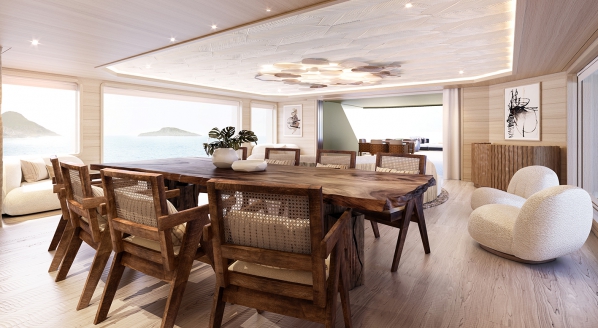
Yachting deliberately
Aino Grapin sets out how she believes the industry is on the cusp of change in embracing sustainability, where shipyards and visionary owners can work together
Fleet

Pressure to adopt biofuels mounts as regulation bites
Lloyd’s Register’s latest Fuel for Thought report positions HVO as the most practical near-term alternative to conventional marine fuels
Crew
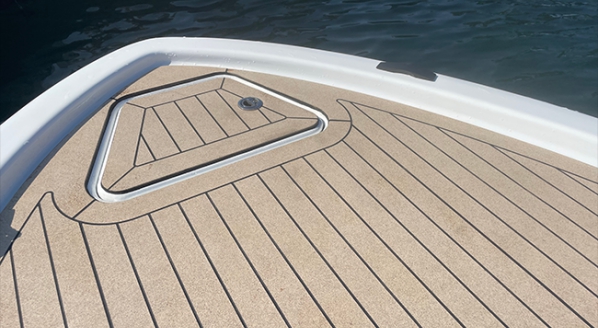
Cork – the natural choice
Cork has long been recognised for its durability and versatility in marine applications, but not always in yachting. Udo Kleinitz, business development at
Fleet
Related news
Time to tell a better story
1 month ago
Yachting deliberately
6 months ago
Cork – the natural choice
7 months ago
NEW: Sign up for
SuperyachtNewsweek!
Get the latest weekly news, in-depth reports, intelligence, and strategic insights, delivered directly from The Superyacht Group's editors and market analysts.
Stay at the forefront of the superyacht industry with SuperyachtNewsweek