What if...? Energy and efficiency – Part VI
‘What If… ’ the crew are involved in the design of the superyacht?
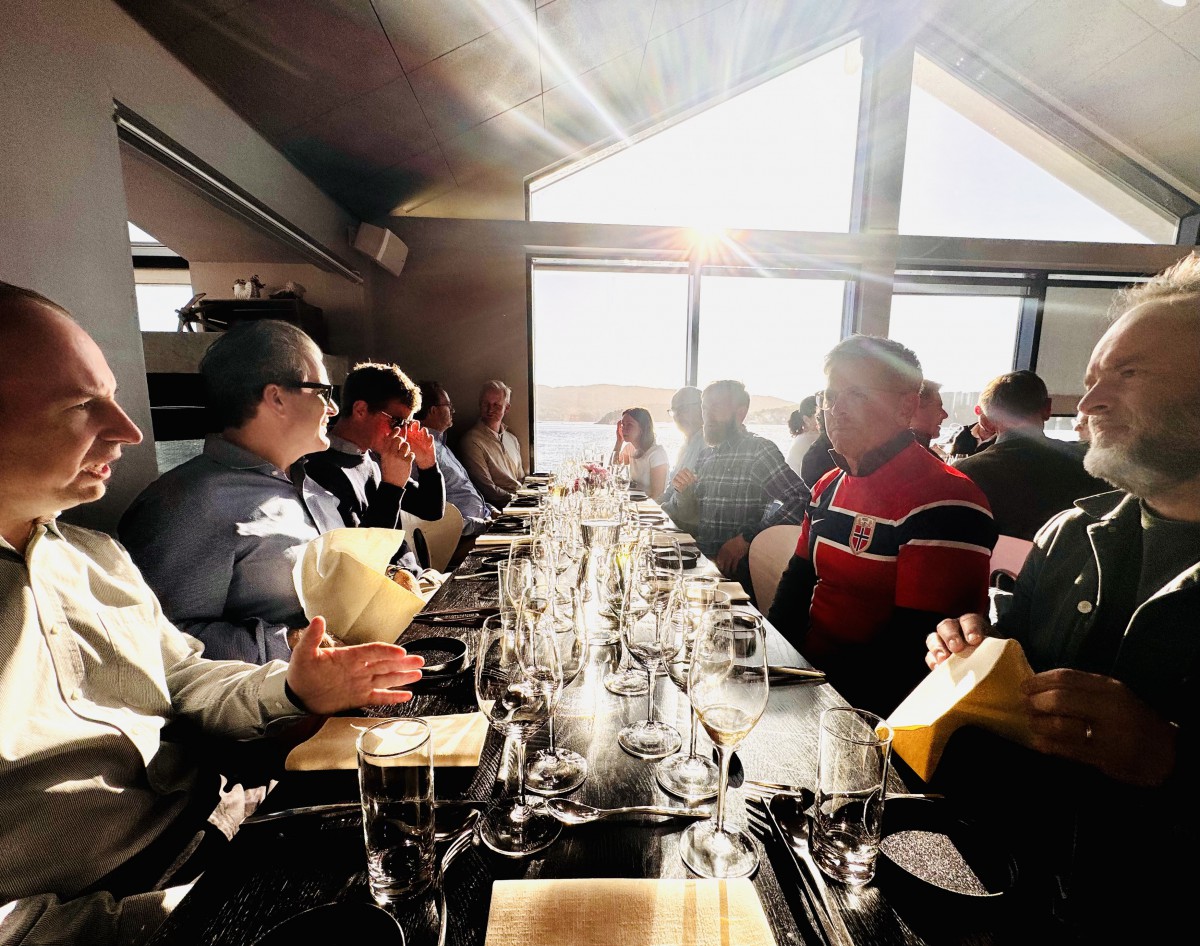
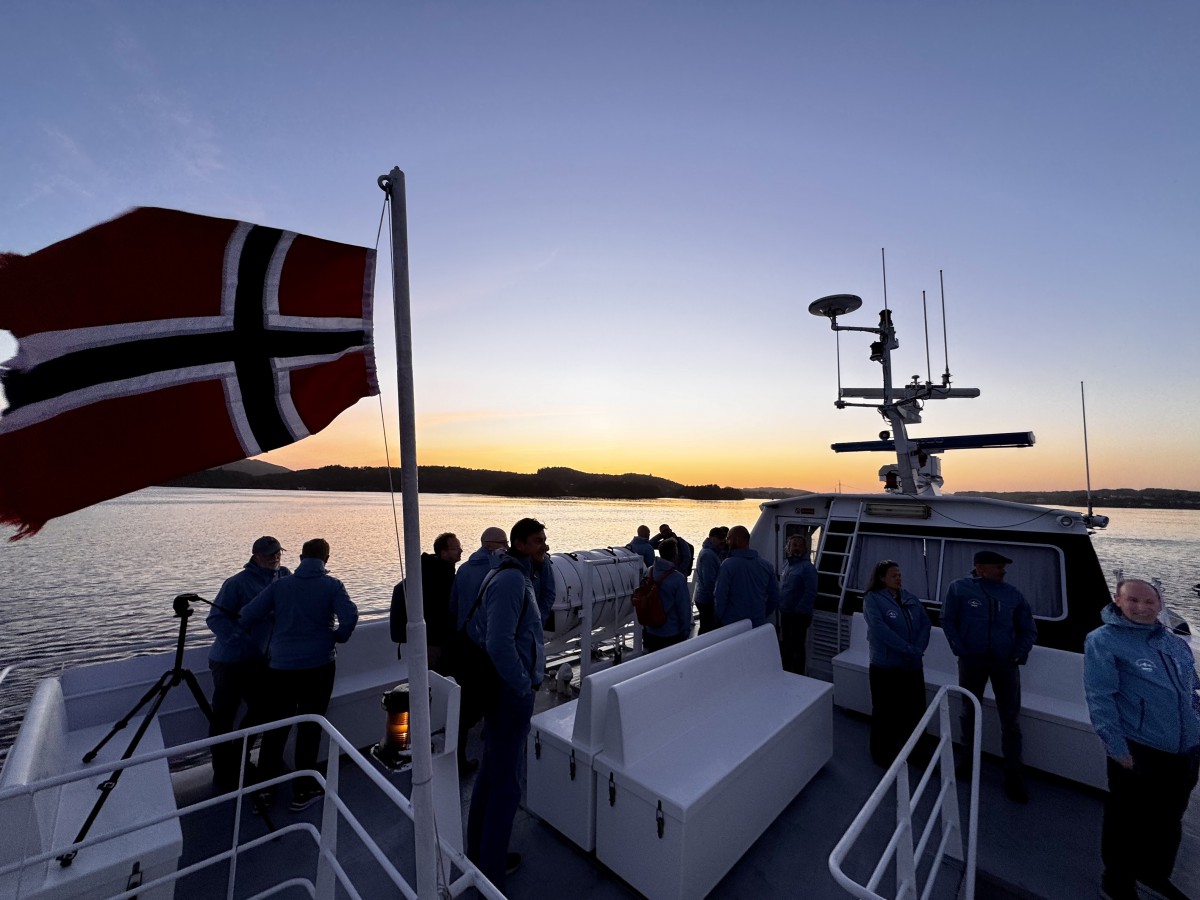
Earlier this year, we hosted the second edition of Innorvation ’26, our unique event in Norway. This time it was based in the maritime hub of Bergen, where DNV has a maritime R&D centre, Corvus has its battery-manufacturing centre and Norwegian Hull Club has its headquarters and situation room, all of which formed a key part of the experience.
In the countdown to Innorvation ‘26, we asked all of the VIP delegates to ask themselves the wide-open question ‘What if...?’ By the time we arrived in Bergen the diverse array of topics and questions raised gave us confidence that this valuable gathering of designers, naval architects, shipyard technical experts, yacht managers, experienced captains, environmental thinkers, project managers and owners’ reps would generate some dynamic and interesting ideas.
The following list is a sample of these pre-Innorvation What ifs..?, all of which are designed to trigger future conversations and opinion pieces in The Superyacht Report or SuperyachtNews.com in the future:
What if… we start looking at alternatives to traditional yacht paint? We can't justify the environmental impact of a full cycle of yacht paint for the long run.
What if… nuclear energy becomes so inexpensive that we will end up with an energy abundance?
What if…. fossil fuels were banned as means of propulsion on superyachts from 2030?
What if… speed limits were to be made obligatory in local jurisdictions and or territorial waters, thereby enforcing a reduction in energy consumption?
What if… science and technology are not the limiting factors in the adoption of meaningful innovation, but the invisible constraints shaping how we collaborate within commercial reality are. What would need to change to unlock progress at scale in the maritime sector?
What if… yachts were built to accommodate the right number of crew to match the expectations of owners, management and maintenance, all within MLC’s HoR?
What if… we look past energy and efficiency, what else can we innovate and improve – could it be the ecosystem, employment, enjoyment, (on-board) environment, experience etc?
What if… we reframed every client request, workshop problem and engineering road block with the three words: “How might we…” To start off with, how might we start looking at our industry innovations in a more holistic manner?
What if… the definition of luxury shifts from unlimited energy availability to a conscious use of energy, so we can fully enjoy what matters today without compromising the ability of future generations to do the same?
What if… next-generation solid-state battery density advances so rapidly by 2030 that the total system-volume of a battery powertrain undercuts a green methanol set-up?
The above sample list of What ifs…? demonstrated the intellect and creativity of those delegates due to attend Innorvation ’26, and rather than dig into these various individual questions during the event, we decided instead to take everyone on a unique journey by cable car to Bergen’s highest point, Mount Ulriken. Once at the top of the mountain, after a relaxed lunch and debrief, we split the group into very diverse teams and sent them off across the rocks in the stunning Norwegian blue sky and asked them to spend a few hours discussing and developing a unique What If..? with the “How Might We..?” strategy to add to the brainstorm, all under the strategic theme of Energy and Efficiency.
The following is the final part of a synopsis of the various ideas and innovations that came out of the team’s literal blue-sky thinking.
‘What If… ’ the crew are involved in the design of the superyacht?
We think that there has been a shift in the past decade where yachts have been built in a way that makes crews’ daily tasks more difficult. Generally speaking, fewer crew per vessel size than in the past makes it very difficult to achieve the level of service expected by the guests and still meet mandatory hours of rest [set by flag] along with being able to get experienced crew to work in environments that are getting more challenging to deal with.
Obviously, yacht owners are paying large sums of money for their yachts and want a product perfect for them, which is of course fair and expected. However, we believe there is a very important point being missed: the service, and in turn the experience the owners and their guests receive, is what really matters. Without the right set-up from an operational point of view, the elite level of service that superyachting is known for will be hard to achieve, resulting in a disappointing on-board experience.
That’s not to say that some yachts aren’t still being built with experienced crew input and by reputable and experienced designers. However, our experience with recent designs shows that many of these custom superyachts, especially in the below-80-metre-size range, are very focused on open spaces, balconies, beach clubs, where almost all the operational space has been taken out of the equation. Crew accommodation has been reduced to the bare minimum requirement, crew recreational spaces are virtually non-existent, mainly because they are not required by the authorities or loopholes have been found, and therefore leading to less efficient operation of the crew, which results in slower service, tired crew, a lower quality of crew willing to work on these vessels and higher crew turnover. In turn, this creates more damage, a lower quality service and, ultimately, unhappy owners and guests.
Given the market’s current pressure to recruit and retain high-quality crew members, keeping the crew satisfied in their positions is becoming increasingly important.
Also to be taken into consideration is the well-documented increase of the number of accidents due in part to the fact that the captains and crew with experience are refusing to work on those yachts. Those who will accept the position will be frustrated and less efficient, and it will result in them working longer hours day by day to try to make the smooth operation of the yacht work. This will inevitably lead to consequences.
Due to these factors, we propose that during the design phase it is important to consider how the yacht will be used and operated. Crew-circulation paths, technical spaces and storage areas need to be properly considered to achieve an optimal design. However, in turn, these areas are directly competing for space with the luxurious accommodations for the guests. For example, generally a yacht will have a much better resale value if it features a large, open main salon with expansive windows. This comes at the expense of storage space for the interior serviceware and results in a less practical layout for the interior crew.
Given the market’s current pressure to recruit and retain high-quality crew members, keeping the crew satisfied in their positions is becoming increasingly important.
Modern superyacht design for yachts below 80 metres has increasingly prioritised expansive guest spaces over essential crew quarters and technical areas, which has in turn led to operational inefficiencies, fatigue and higher turnover. Integrating senior crew into the early design phase is critical to ensure safety, optimal service standards and long-term satisfaction for the owner.
The goal of this report is to present clearly the results of our team efforts. It will hopefully help to improve awareness in the superyacht industry in order to improve design from a point of view of those living on board and operating yachts safely – the crew.
Summary
We took a very experienced group of experts into the outdoors, split them into varied teams, with designers, yards, managers, captains, consultants and innovators all sitting on rocks across the mountain overlooking Bergen, and asked them to create their mutually agreed “What If… ?”. What is fascinating and valuable is that they all created a range of distinct and highly workable ideas that make sense for the future of our industry.
Some of these ideas will be explored further and built into more concrete projects, and I can assure you that more discussions of this nature will form the architecture of the future experiences we intend to deliver in the coming years. We all seem to have better and clearer ideas when we are away from conference rooms or yacht shows, with the freedom to share what we really think and what needs to change. I’m already looking forward to next year’s Innorvation’27 and a few new event projects too.
Parts I-V have already been published.
You can watch the video of this year’s event here, and if you’d like to join INNORVATION’27, somewhere in Norway, visit www.innorvation26.com and register your name.
NEW: Sign up for SuperyachtNewsweek!
Get the latest weekly news, in-depth reports, intelligence, and strategic insights, delivered directly from The Superyacht Group's editors and market analysts.
Stay at the forefront of the superyacht industry with SuperyachtNewsweek
Click here to become part of The Superyacht Group community, and join us in our mission to make this industry accessible to all, and prosperous for the long-term. We are offering access to the superyacht industry’s most comprehensive and longstanding archive of business-critical information, as well as a comprehensive, real-time superyacht fleet database, for just £10 per month, because we are One Industry with One Mission. Sign up here.
Related news

Is cognitive fitness the next frontier in superyacht excellence?
As superyachts become increasingly sophisticated, are we investing enough in the cognitive capabilities of the people responsible for operating them?
Opinion
The 300 steps
A call to arms on how we recruit, on-board and retain the incredible people who run our yachts
Crew
What happens on board after the guests go to bed?
A perspective from the crew side of the superyacht industry on professionalism, silence, welfare and the culture created on board
Opinion
What yacht crew are telling ISWAN
The YachtCrewHelp 2025 Annual Review brings together insights from confidential conversations with yacht crew and their families throughout 2025
Crew
YSEC launches new guidance regarding yacht load-line compliance
New Guidance Note aims to bring greater consistency to the application of load-line requirements as yacht designs become larger and more complex
Crew
NEW: Sign up for
SuperyachtNewsweek!
Get the latest weekly news, in-depth reports, intelligence, and strategic insights, delivered directly from The Superyacht Group's editors and market analysts.
Stay at the forefront of the superyacht industry with SuperyachtNewsweek