The cost of entry
Are start-ups being left out of the room? Xanthe Bowater explores how new-thinking and practical solutions can reach the people who could benefit from them most…
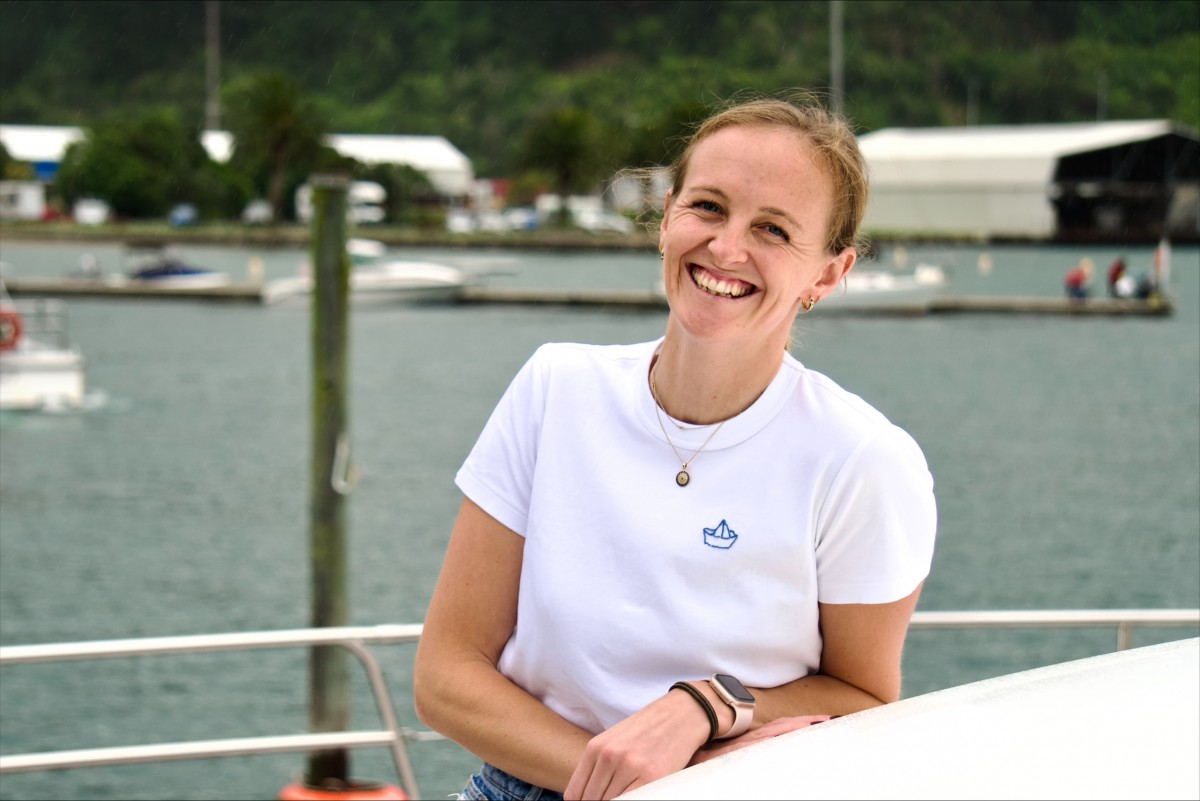
Xanthe Bowater, founder of WaveWellness Solutions.
Captains today are being asked to lead through increasing complexity: crew retention, rising expectations, tighter operational pressure and an industry evolving faster than its many systems can keep up. If we are serious about supporting the crew on board these yachts and the final decision makers, there is an uncomfortable question worth asking – how easy is it for new-thinking and practical solutions to reach the people who could benefit from them most?
Let’s focus on the elephant in the room: why are start-ups and innovative businesses being left out of the conversation? In many cases, it comes down to how access to key industry stakeholders is structured. Opportunities to engage with new ideas are often shaped by timing, networks and budget rather than merit or impact of the idea itself. Conversations tend to happen within familiar circles, and while there are increasing efforts to create space for innovation, they often arrive late, are limited in scope or sit just outside the rooms where decisions are made.
When conversations remain within these established networks and platforms, they naturally gravitate toward incremental changes, refining the existing instead of reimagining the future. The outcome is consistent; the pathway between new thinking and real-world application is much narrower than it needs to be. New ideas and businesses are being snuffed out before they get a chance to bring change to the status quo.
My last trip from New Zealand to Palma de Mallorca was a journey that reflects the increasingly global nature of both the superyacht industry and the businesses supporting it. Distance, however, is not the primary barrier. Cost remains the more significant factor. While steps are being made to ensure the end users are present, there are still significant financial barriers in front of the start-ups building the solutions. We are inviting the end user to the table, while pricing out the people trying to solve the problem.
True inclusion requires a long runway. For anyone travelling internationally, decisions around events are made many months in advance. When the only option available at that point is a high entry cost, the decision is made early – attend or don’t. By the time more accessible options appear, it is often too late.
The start-up founder is often the only person in the room operating at a loss. These are the people working to tackle some of the industry’s more complex challenges, from mental health to sustainability. Yet, to be part of the conversation, they are often expected to absorb a ‘glitz tax’ for an experience many would gladly trade for a meaningful conversation or a short opportunity to present what they are building.
A registration fee of €500+ for an industry forum may be a standard operational expense for established businesses, but for early-stage founders, particularly those self-funding solutions designed to address systemic challenges within the industry, it represents a more considered decision. It does not necessarily exclude participation, but it does influence who is able to be present in the room.
Recent transparency from organisers has highlighted the actual cost of delivering high-quality events. With significant portions of ticket pricing allocated to marketing, production and hospitality, it is clear that these forums are complex and expensive to run. High-end hospitality is part of the sector’s DNA and I am not suggesting these forums should become budget workshops. However, this prompts a broader question: are current models optimised to encourage the widest range of relevant voices or do they, perhaps unintentionally, reinforce the existing structure of who gets access and when?
In saying this, we should recognise that there have been some positive steps forward. Sponsored tickets and travel support for captains and crew – an initiative launched by the Superyacht Alliance – are long overdue and absolutely necessary. For too long, conversations about crew have taken place without crew in the room. As a founder focused on the ‘human element’, I am a strong supporter of this shift. The yachting industry needs the voice of the user to keep us engaged in the conversations.
Cost is only part of the challenge. Timing contributes just as much.
True inclusion requires a long runway. For anyone travelling internationally, decisions around events are made many months in advance. When the only option available at that point is a high entry cost, the decision is made early – attend or don’t. By the time more accessible options appear, it is often too late. Flights are booked, budgets are committed and the opportunity has already passed.
Innovation should not sit on the edges of this industry, it should sit at the centre of how
we think about its future.
There is a practical middle ground seen in other industries worth considering. Large-scale events integrate structured pricing tiers for early-stage businesses, recognising both the value they bring and the financial constraints they operate within. A dedicated ‘innovation’ or ‘start-up’ pathway allows emerging companies to contribute to the conversation while still supporting
the overall cost and objectives of the event.
Clear eligibility criteria, such as business age, turnover or team size, help maintain quality and ensure these spaces are reserved for genuine early-stage ventures. This is not about lowering standards. It is about widening access in a way that remains commercially viable, while recognising it’s a strategic investment for the organisers themselves.
By ensuring that current and future founders are in the mix, they provide greater return for corporate stakeholders who are often looking for the next opportunity to partner, invest or integrate new solutions.
For many founders, the intention to attend exists well in advance. The barrier is not a lack of willingness to invest, but whether that investment feels proportionate to the stage at which they are operating. Without this kind of structure, we risk limiting participation not by relevance or quality, but simply by who can afford to be present.
The intention here is not to criticise, but to question whether we are aligned in moving the industry forward. Innovation should not sit on the edges of this industry, it should sit at the centre of how we think about its future.
It may be time we measure the success of our forums not by the quality of the experience, but by the diversity of the thinking that makes it into the room. Because if we want different outcomes, we need to make space for different thinking.
This article first appeared in The Superyacht Report: Captains Focus. With our open-source policy, it is available to all by following this link, so read and download the latest issue and any of our previous issues in our library.
NEW: Sign up for SuperyachtNewsweek!
Get the latest weekly news, in-depth reports, intelligence, and strategic insights, delivered directly from The Superyacht Group's editors and market analysts.
Stay at the forefront of the superyacht industry with SuperyachtNewsweek
Click here to become part of The Superyacht Group community, and join us in our mission to make this industry accessible to all, and prosperous for the long-term. We are offering access to the superyacht industry’s most comprehensive and longstanding archive of business-critical information, as well as a comprehensive, real-time superyacht fleet database, for just £10 per month, because we are One Industry with One Mission. Sign up here.
Related news

Global study reveals the economic power of the superyacht industry
New study positions yacht builders as the industrial foundation of a €54 billion global superyacht economy
Business
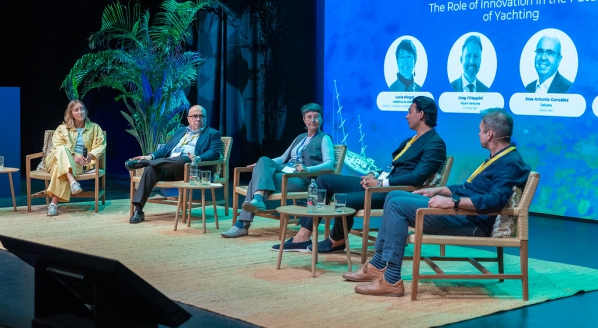
The Mediterranean Superyacht Forum’s pitch for a better industry
Live pricing, cleaner propulsion, crew wellness and tender tracking. Yachting Ventures’ Gabbi Richardson reflects on the eight pitches in Palma
Opinion
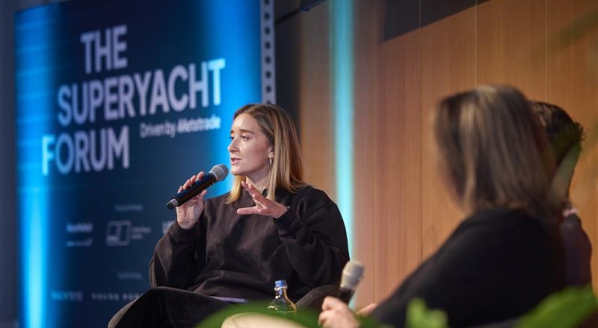
Startups to watch in 2026
We sit down with Gabbi Richardson to discuss boat shows, why AI is redrawing the economics of marine startups and where investor appetite is shifting
Opinion
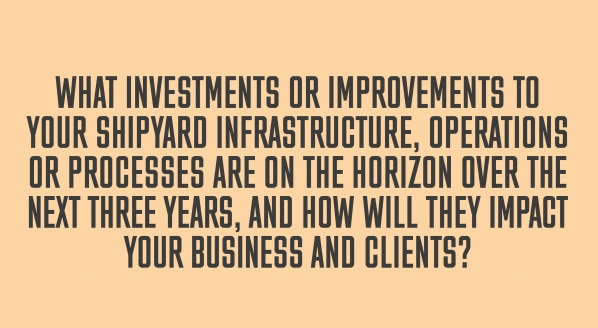
The Big Refit Brains Trust – part 3
CEOs and leaders at established refit yards share their thoughts on where the sector stands today and what should be done to secure its future
Business
NEW: Sign up for
SuperyachtNewsweek!
Get the latest weekly news, in-depth reports, intelligence, and strategic insights, delivered directly from The Superyacht Group's editors and market analysts.
Stay at the forefront of the superyacht industry with SuperyachtNewsweek