Monaco 2026 and the business of confidence
A delivery date in 2032, revised asking prices and an owner reshaping a shipyard group reveal the commitments behind this year’s show…
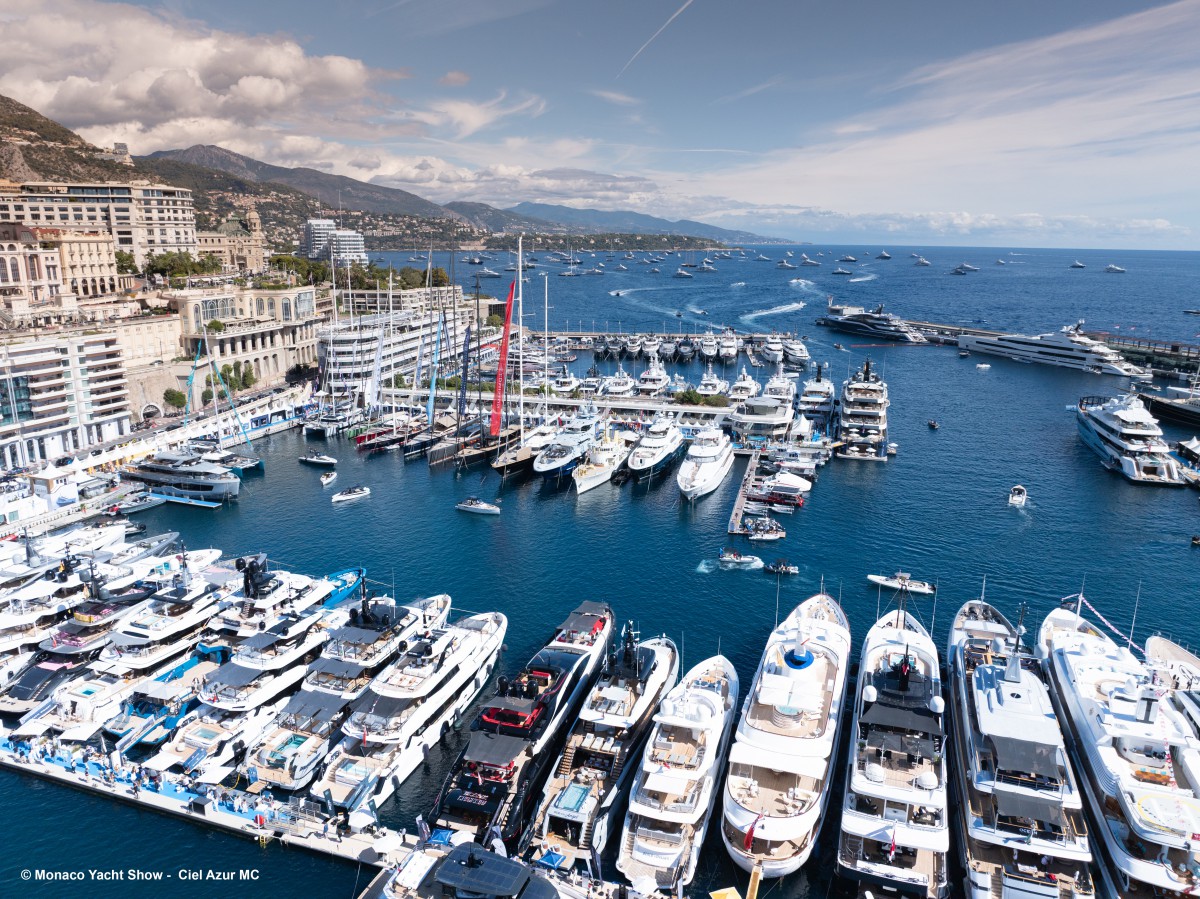
May 2032. That is the scheduled delivery date for Project M, the fully custom Lürssen of more than 125 metres whose construction agreement Royal Yacht International announced two days before the Monaco Yacht Show opened. An owner has committed to a project that will occupy years of their life. The ship is being designed for circumstances that none of the parties can yet know.
That decision captures much of Monaco’s significance. A yacht of this scale requires considerable wealth and confidence in the people who will deliver it. The completed vessel will make that confidence visible. For now, the commitment stretches through several years of industrial work, personal decisions and possible political upheaval.
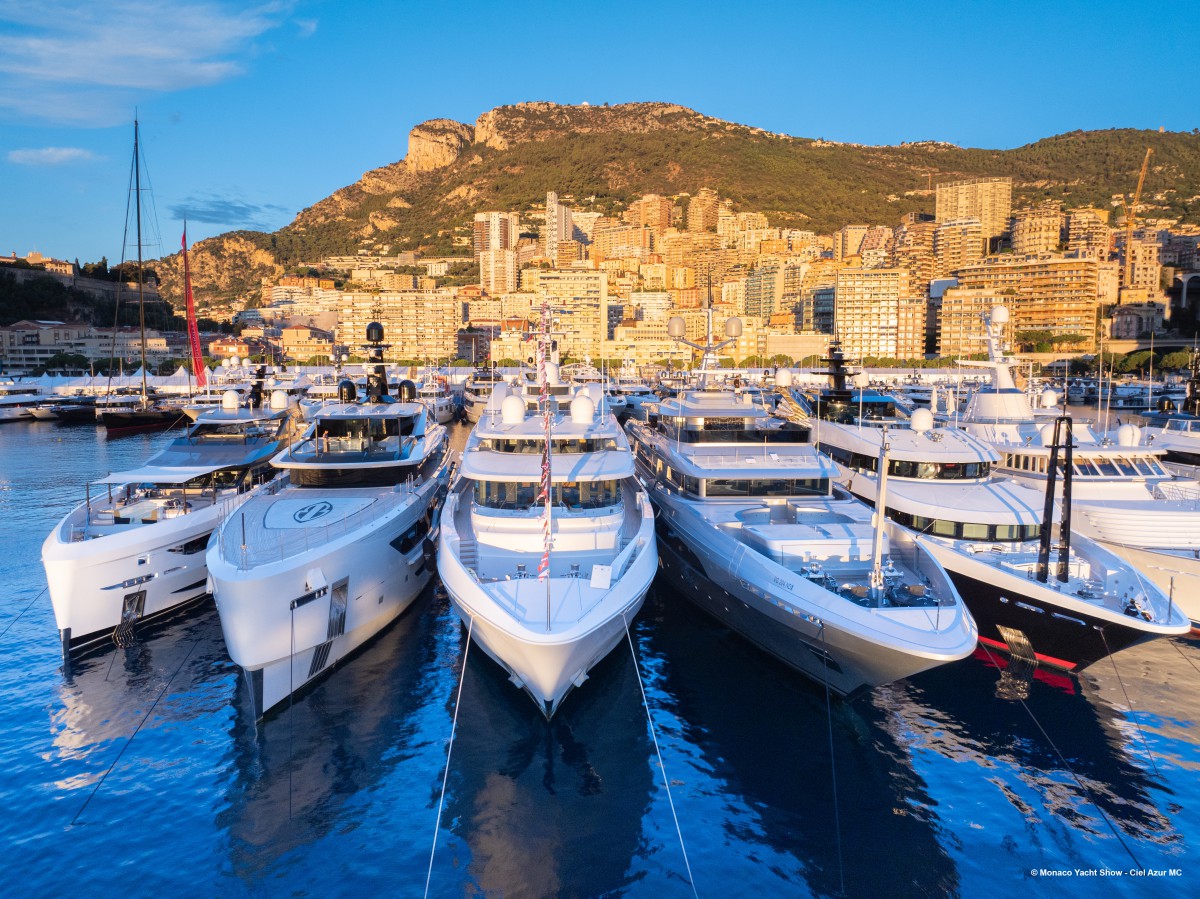
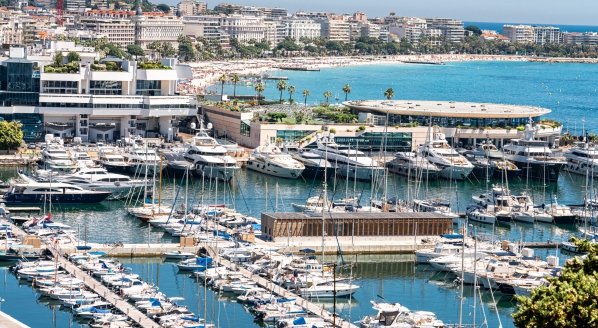
I find that more revealing than the usual verdict on whether the show felt buoyant. Monaco brings exceptional projects into close proximity. Their presence demonstrates what the industry can achieve and gives its ambition a persuasive physical form. Judging the depth of future demand requires a different kind of evidence.
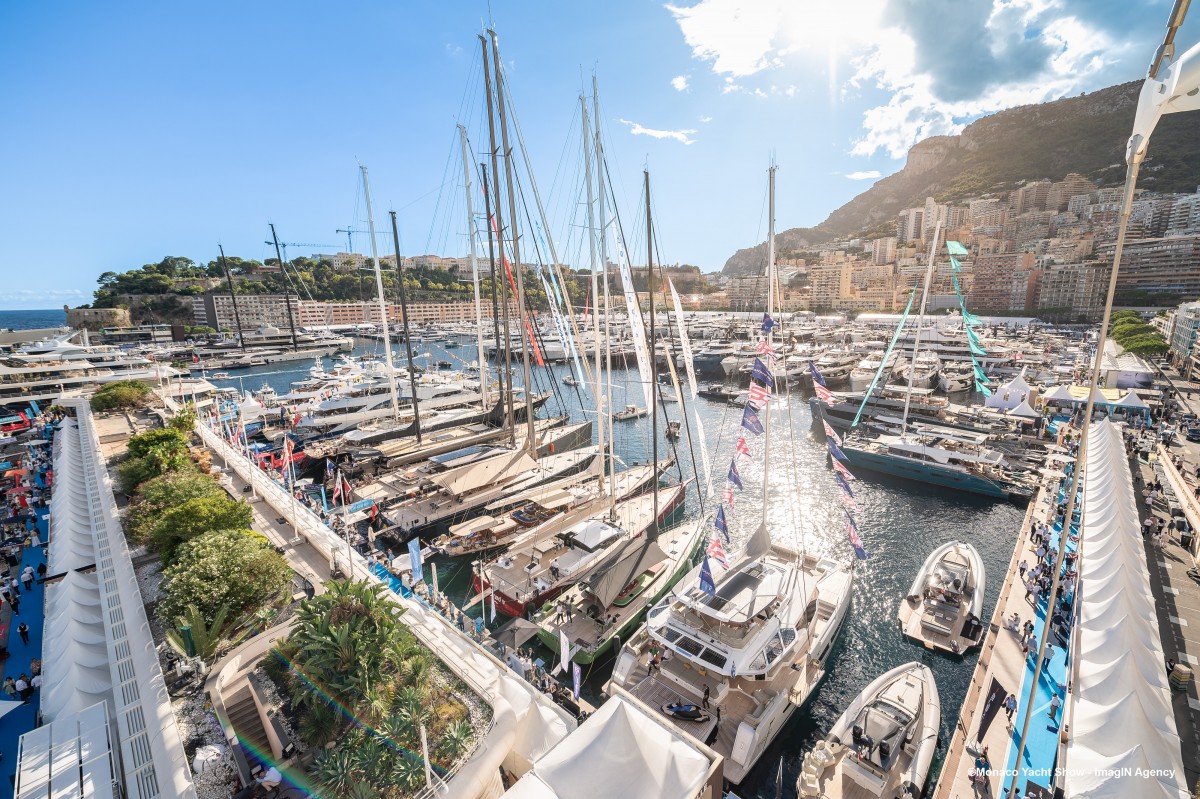
Monaco also compresses different commercial periods into one scene: a newly delivered yacht reflects decisions made years earlier, while a rebuild records another stage of an existing owner’s programme and an announced contract belongs to future production. Bringing them together makes comparison easier. Assessing current demand requires their timing to remain visible. The work on display and the orders being secured now are connected through a substantial delay.
My reading of the 2026 show centres on that distinction. The industry can build remarkable ships, its commercial task is to persuade enough people that owning them will justify the money, time and obligations involved. The wealth behind those decisions is substantial. The conditions under which it is being committed deserve closer attention.
A prospective owner also has considerable freedom to postpone – charter remains available, capital can stay invested elsewhere and family time can be spent in other ways. Buying a yacht requires a sufficiently compelling place for it in the owner’s life.
Altrata estimates that the global population with more than US$30 million in net worth reached a record 556,850 in 2025. That threshold is below the asking price of many yachts offered in Monaco. Treating the entire category as an addressable superyacht market exaggerates the pool of plausible owners before willingness to buy has even entered the calculation.
A prospective owner also has considerable freedom to postpone – charter remains available, capital can stay invested elsewhere and family time can be spent in other ways. Buying a yacht requires a sufficiently compelling place for it in the owner’s life. The people selling ownership need to understand how much additional responsibility that person is prepared to accept.
The political setting makes this particularly relevant. In September, the IMF pointed to elevated oil and gas prices and the continuing energy shock from the Middle East war. In UBS’s family office survey, conducted between January and March, 64 per cent of respondents identified major geopolitical conflict as a risk over the following twelve months. This describes the concerns around large fortunes, rather than yacht purchase intentions.
For an owner, political disruption enters through practical dependencies. A yacht needs suitable insurance, accessible cruising grounds and people who can reach it. Substantial resources help manage those dependencies. They provide limited protection against circumstances that make a preferred programme difficult to execute. Over a long build period, those circumstances may change repeatedly.
Project M demonstrates that some owners remain willing to make extraordinary commitments. Other buyers can pursue an existing yacht and begin using it much sooner. Those decisions involve different priorities and different negotiating conditions. Their coexistence is entirely credible; combining them into one market mood is much less useful.
A distinctive yacht still needs a buyer whose plans suit it. The capital spent creating an individual vessel does not establish what someone else should pay to acquire it.
Ahead of Monaco, the asking price for This Is It, the 43.5-metre Tecnomar catamaran, was reduced by €4 million to €42 million. Burgess announced a €5 million reduction on the 64-metre Feadship Lady Marina to €29.95 million, with viewings planned during the show. These are adjustments in sellers’ expectations – the eventual transaction prices remain unknown.
A distinctive yacht still needs a buyer whose plans suit it. The capital spent creating an individual vessel does not establish what someone else should pay to acquire it. On resale, the next owner assesses the whole proposition, including the alterations required. The individuality celebrated during construction can narrow the field of suitable successors.
I would therefore use the description ‘buyer’s market’ selectively in the highest-end yacht market. Several credible alternatives give a buyer negotiating power. A highly specific new-build brief, with few suitable yards, creates a different position. Monaco contains both circumstances. Understanding where an individual project sits is more valuable than assigning a label to the harbour.
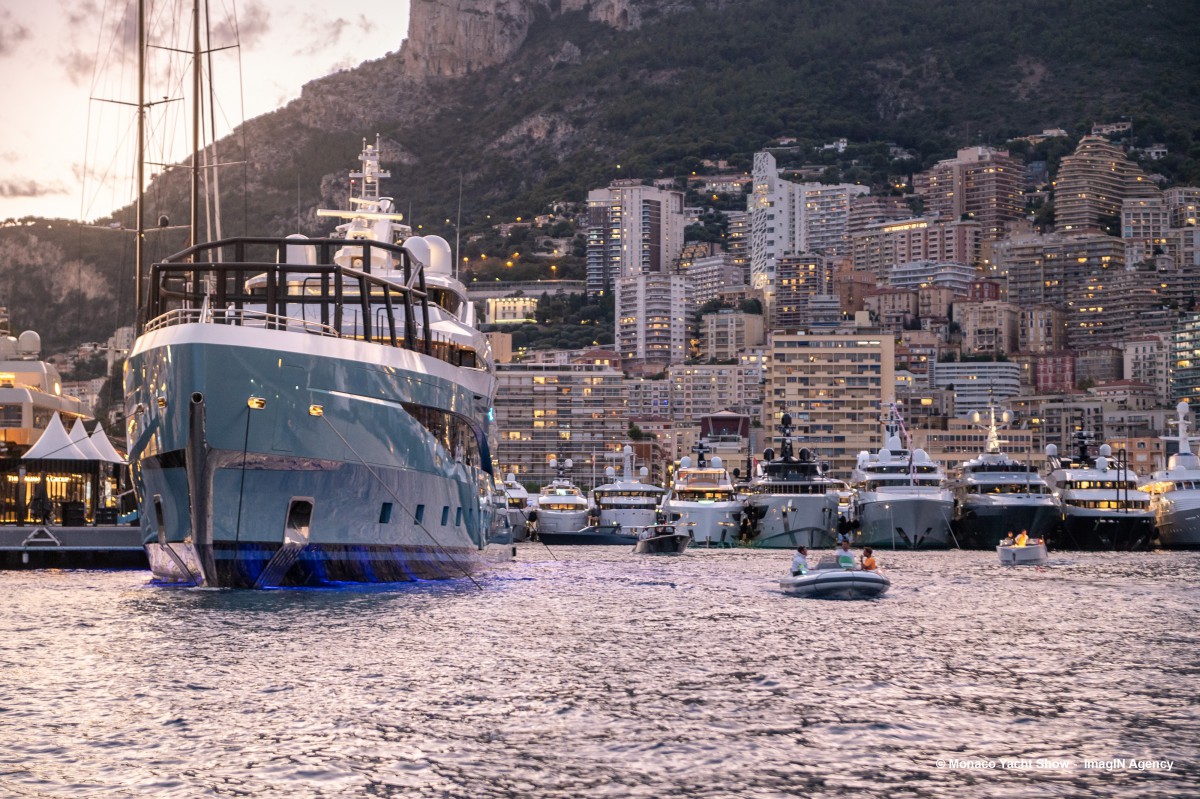
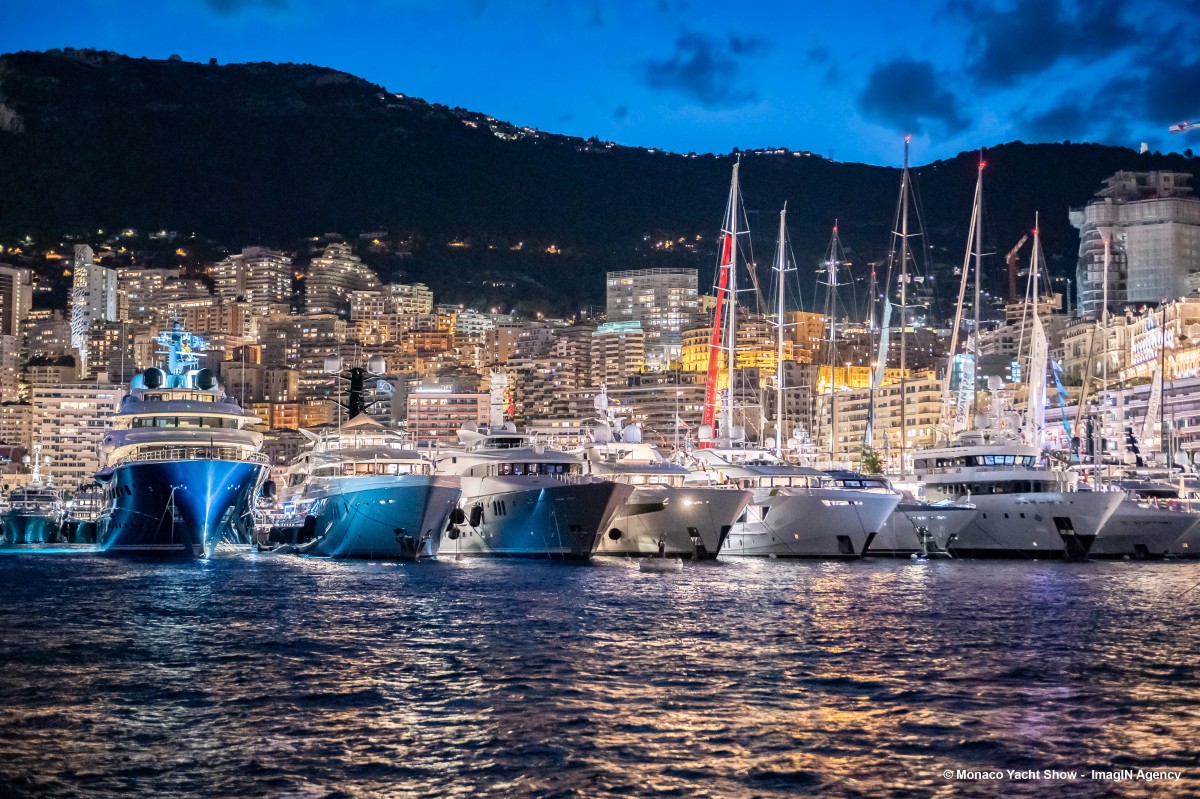
A development behind two of the show’s prominent vessels carries longer-term significance. Gabe Newell owns Leviathan and Draak, and has owned Oceanco since 2025. The group added electrical systems integrator Alewijnse and, in July 2026, announced the acquisition of marine equipment specialist Winel. Private wealth is reaching into the industrial organisation of yacht building.
Patient private capital can support work that a conventional investment timetable would struggle to accommodate. The question for other clients is how that strength becomes dependable delivery across the yard’s projects
This is among the most interesting aspects of Monaco 2026 for me. An owner has the resources to influence the businesses producing his vessels. Bringing specialist capabilities into a group can support development and reduce coordination difficulties. It also changes where influence sits within an industry reliant on a network of highly skilled suppliers. An owner displaying yachts built by a group they control also changes how I read the display. It demonstrates industrial capability backed by someone able to fund and shape it. The commercial test for the wider yard is how that capability translates into attractive projects for other clients. Enthusiasm around the vessels leaves that question open. The distinction matters when exceptional commissions are used to describe ordinary business prospects.
Patient private capital can support work that a conventional investment timetable would struggle to accommodate. The question for other clients is how that strength becomes dependable delivery across the yard’s projects. Their confidence still needs to rest on the team, the contracting entity and the arrangements governing their own build. A celebrated shareholder can contribute to that confidence; the project must earn it throughout construction. Oceanco describes Leviathan and the extensively rebuilt Draak as complementary members of Newell’s Inkfish fleet, supporting research and ocean exploration. That is a distinctive ownership programme with a purpose extending beyond familiar leisure use. Its significance will develop through the work the vessels enable.
However, I would be cautious about presenting one individual as the template for the next generation of owners. Wealth creates possibilities that people use very differently and the industry needs to understand those differences at the level of the actual client. Broad assumptions about age, nationality or the source of a fortune offer limited help in interpreting a particular person’s intentions.
The search for future demand also extends to geography. During the show, Sela and Tahaluf agreed to develop the Red Sea Yacht Show in Jeddah, supported by the Monaco Yacht Show, with a first edition announced for October 2027. A separate memorandum between Sela and ICON Saudi concerned a specialist yacht maintenance facility there. The latter remains a proposed development. There is a clear commercial rationale: attractive destinations give owners reasons to use their yachts while technical support can make longer stays practical and the event organiser gains another opportunity to use its brand. These interests overlap, although each participant will measure success differently. Investment in a destination establishes the developer’s intention; regular visits will establish its appeal to owners.
The wider regional security situation makes confidence especially consequential. Assessment must follow particular routes and local conditions. A new cruising destination earns lasting business through reliable access, competent services and the experiences of the people using it. Monaco’s name can help attract attention. The proposed maintenance facility addresses part of what must follow that attention.
A long construction horizon adds another difficulty. Technical choices made today must remain workable when the yacht enters service.
The same need for delivery applies to technology. Lateral’s ENX proposal, presented in Monaco, envisages a 70-metre yacht with 60 MWh of battery capacity. It merits serious consideration as a concept. Its usefulness to an owner will depend on the cruising programme it supports and the infrastructure available ashore.
A long construction horizon adds another difficulty. Technical choices made today must remain workable when the yacht enters service. Good engineering should preserve sensible opportunities to adapt as systems and supply networks develop. For an owner, the cost and disruption of later changes are part of the value of the original design.
Environmental claims need comparable precision. Improved efficiency is worthwhile, while absolute consumption remains relevant to the vessel’s impact. The industry would strengthen its position by explaining the operating assumptions behind its claims and publishing results from service. Owners should be able to understand the improvement they are paying for and the limits attached to it.
These are consequential questions for a show whose influence extends well beyond its four days. Monaco makes an unusually strong case for the capabilities of yacht building. The harder commercial work lies in turning that capability into an ownership proposition that continues to satisfy the person funding it.
That long relationship between promise and fulfilment is the business Monaco is asking people to enter.
As of 27 September, it is not possible to verify the total of binding business attributable to the event. Project M was announced on 21 September. Asking-price adjustments, concepts and memoranda carry their own significance. A credible assessment keeps those distinctions intact and allows time for negotiations to produce results.
The industry should describe its commercial position with the precision it expects from its best engineering. Confidence built around an individual project is valuable. Sustaining it requires clear answers about cost, responsibility and the practical consequences of ownership, including the answers that complicate a sale.
May 2032 remains a long way off. Project M will pass through decisions that its first announcement could scarcely describe. For the owner, success will depend on whether the delivered yacht fits the life they wish to lead then. That long relationship between promise and fulfilment is the business Monaco is asking people to enter.
Profile links
NEW: Sign up for SuperyachtNewsweek!
Get the latest weekly news, in-depth reports, intelligence, and strategic insights, delivered directly from The Superyacht Group's editors and market analysts.
Stay at the forefront of the superyacht industry with SuperyachtNewsweek
Click here to become part of The Superyacht Group community, and join us in our mission to make this industry accessible to all, and prosperous for the long-term. We are offering access to the superyacht industry’s most comprehensive and longstanding archive of business-critical information, as well as a comprehensive, real-time superyacht fleet database, for just £10 per month, because we are One Industry with One Mission. Sign up here.
Related news

So you want to build a yacht?
Moving from serial charterer to first-time owner can seem a natural progression, but commissioning a large yacht demands a very different kind of experience
Owner
The Superyacht Report 230: Owners Focus – Out Now
From a guide to the do’s and don’ts for new yacht owners to who has the authority to act on behalf of an owner, the latest TSR is a must-read
Owner

Specialty lending: the ballast in uncertain markets
Steven Hawkins, Head of Specialty Lending, J.P. Morgan International Private Bank, on the role financing can play in keeping the industry resilient
Opinion
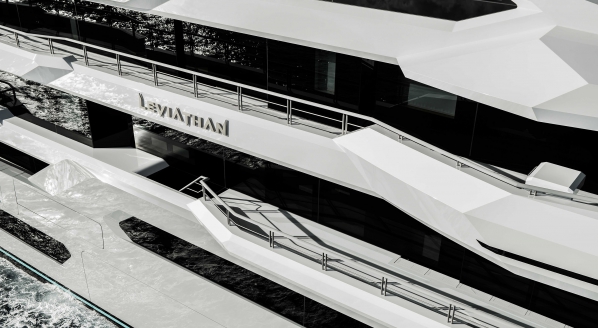
Two leviathans of the deep at the Monaco Yacht Show
How will two giants of the ocean compare when they are displayed at the Monaco Yacht Show next month?
Fleet
French bill proposed for 50-metre-plus superyachts
A private member’s bill could ban superyachts over 50 metres from entering French ports, marinas or territorial waters
Opinion
Related news
So you want to build a yacht?
3 weeks ago
Two leviathans of the deep at the Monaco Yacht Show
3 months ago
French bill proposed for 50-metre-plus superyachts
3 months ago
NEW: Sign up for
SuperyachtNewsweek!
Get the latest weekly news, in-depth reports, intelligence, and strategic insights, delivered directly from The Superyacht Group's editors and market analysts.
Stay at the forefront of the superyacht industry with SuperyachtNewsweek