
CHIRP Report: Report of serious safety concern
When recreational swimming from a drifting vessel posed foreseeable hazards, particularly during entry and exit from the water…
The following case study is from CHIRP Maritime’s Superyacht Feedback. It is the first superyacht-specific programme and publication dedicated to improving safety in the maritime industry through vital knowledge sharing, anonymous reporting, analysis and feedback via the Superyacht Maritime Advisory Board.
Initial report
This report is submitted in confidence following information that came to my attention during a recent period on board a vessel as relief master. I became aware of an incident in which members of the yacht’s crew entered the water to swim recreationally while the vessel was drifting in open ocean. I viewed video footage but could not obtain a copy.
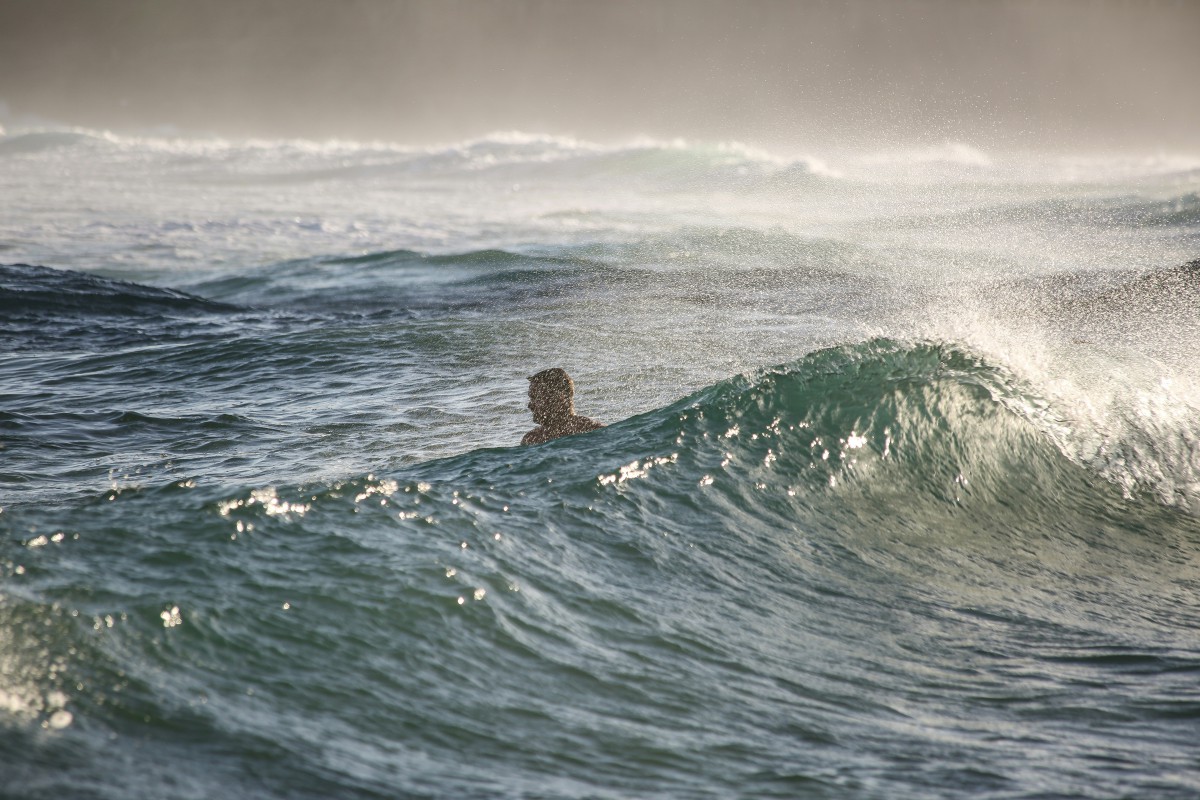
The vessel appeared to be in a sea state of approximately 4 or higher, with significant swell causing noticeable pitching. Although not underway, the vessel remained subject to the prevailing wind and sea conditions.
Crew members entered the water by jumping from the stern while the vessel was pitching, creating a foreseeable risk of injury. Once in the water, they remained close to the drifting vessel as it continued to yaw, roll and pitch, increasing the risk of separation and fatigue and complicating recovery of anyone unable to assist in their own rescue.
There did not appear to be a planned or effective means of recovering a person from the water if they were unable to return unaided. Given the vessel’s freeboard and the prevailing conditions, recovering an incapacitated casualty would likely have been difficult and time critical.
I was also informed that the chief officer declined to participate and, due to safety concerns, prevented his partner from entering the water.
Although the activity concluded without incident, my concern is not the act of swimming itself but the decision making and risk management process that permitted it under the prevailing conditions.
The circumstances warrant an objective review of the risk assessment, emergency planning and recovery arrangements so that lessons learned can help prevent a future serious injury or loss of life.
The absence of an accident should not be mistaken for evidence that the risks were acceptable or adequately managed.
CHIRP comment
This report concerns recreational swimming from a drifting vessel in open-ocean conditions. While the activity concluded without injury, the absence of an accident should not be mistaken for evidence that the risks were acceptable or adequately managed.
The reported sea conditions and vessel movements created foreseeable hazards, particularly during entry and exit from the water. A person who becomes injured, fatigued or otherwise unable to assist in their own rescue may quickly become dependent on the crew. Where external assistance is unavailable, a seemingly minor incident can rapidly become life-threatening.
Water temperature, currents, visibility and marine life can also affect the outcome of an emergency and should be considered before such an activity is undertaken.
The chief officer reportedly declined to participate due to safety concerns. This indicates that at least one senior officer recognised the risks. A senior officer’s differing view should have prompted further discussion and reassessment. Differing opinions amongst experienced personnel can provide an important warning that assumptions are being made about the acceptability of the risk. When a safety concern is raised, it should provide an opportunity to stop, discuss and reassess before proceeding.
Recreational activities can provide an important boost to morale during long voyages, but they must not compromise safety. Before such an activity is authorised, there should be a structured risk assessment, effective briefing, clear stop criteria and a demonstrated means of recovering a person from the water in the prevailing conditions. If these controls cannot be demonstrated, the activity should not proceed.
Recreational activities at sea should be judged by the risks they create, not by the fact that everyone returned safely.
Companies should also provide masters with clear guidance on recreational activities at sea, including environmental limits, risk controls and emergency preparedness.
Good outcomes do not validate poor decisions. Recreational activities at sea should be judged by the risks they create, not by the fact that everyone returned safely.
Key issues relating to this report
Factors related to this report
Awareness: The hazards associated with swimming from a drifting vessel may not have been fully appreciated. The combination of sea state, vessel movement, freeboard and the difficulty of recovering an incapacitated person appears to have been underestimated.
Teamwork: The chief officer reportedly recognised the risk and declined to participate, demonstrating that safety concerns were present within the team.
Complacency: Permitting recreational swimming in approximately Sea State 4+ conditions suggests that the hazards may not have been sufficiently recognised or acted upon.
Alerting: The chief officer’s refusal and intervention represent important speaking-up behaviour. The report raises the question of whether that concern was sufficiently considered before the activity proceeded.
Local practices: Recreational swimming from the stern while drifting may have become an accepted practice without adequate consideration of changing environmental conditions.
Recreational activities should not proceed unless you are confident recovery can be achieved safely.
Key takeaways
“Before anyone enters the water, the plan to recover an unconscious casualty should be as well rehearsed as the decision to enter in the first place.”
Regulators: Ensure guidance continues to emphasise that man-overboard recovery arrangements must be practical, rehearsed and appropriate to prevailing conditions.
Managers: Dynamic risk assessments should consider the practical ability to recover an incapacitated casualty. Recreational activities should not proceed unless you are confident recovery can be achieved safely.
Crew: Before entering the water, consider not only how you will get in, but how you will be recovered if injured, fatigued or unconscious. If the answer is unclear, do not proceed.
To register to CHIRP or submit your feedback, please click here.
Profile links
NEW: Sign up for SuperyachtNewsweek!
Get the latest weekly news, in-depth reports, intelligence, and strategic insights, delivered directly from The Superyacht Group's editors and market analysts.
Stay at the forefront of the superyacht industry with SuperyachtNewsweek
Click here to become part of The Superyacht Group community, and join us in our mission to make this industry accessible to all, and prosperous for the long-term. We are offering access to the superyacht industry’s most comprehensive and longstanding archive of business-critical information, as well as a comprehensive, real-time superyacht fleet database, for just £10 per month, because we are One Industry with One Mission. Sign up here.
Related news
The new MCA yacht unlimited CoC is here
The MCA introduces a new pathway to the industry’s largest vessels based entirely on qualifying yacht service and management training
Crew
The crew management conundrum
Deep Blue Software’s recently upgraded Crew Management Package joins up all of the admin that comes with hiring and managing a team on board
Crew

The rotation problem
Why does yachting struggle to attract commercial masters? An argument for the industry to align its employment model with the realities of professional maritime
Opinion
Related news
The new MCA yacht unlimited CoC is here
3 weeks ago
The crew management conundrum
1 month ago
The rotation problem
1 month ago
The familiarisation gap
2 months ago
NEW: Sign up for
SuperyachtNewsweek!
Get the latest weekly news, in-depth reports, intelligence, and strategic insights, delivered directly from The Superyacht Group's editors and market analysts.
Stay at the forefront of the superyacht industry with SuperyachtNewsweek