CHIRP Report: Safety concerns during extensive repair period on privately operated yacht
Repair work can introduce additional risk if crew continue to live aboard and so should be subject to the appropriate controls…

The following case study is from CHIRP Maritime’s Superyacht Feedback. It is the first superyacht-specific programme and publication dedicated to improving safety in the maritime industry through vital knowledge sharing, anonymous reporting, analysis and feedback via the Superyacht Maritime Advisory Board.
Initial report
The reporter is a senior officer aboard a privately operated yacht of just under 500gt undergoing extensive repairs.
Work includes removing teak decking, replacing steel deck and hull plating, and ongoing hot work on the foredeck and main deck aft. Crew were initially accommodated ashore but were later instructed to return on board while significant cutting and welding remained underway.
The reporter raised concerns about metal dust and debris, possible contamination through ventilation and air-conditioning systems, noise and disruption, and the proximity of repair activities to occupied accommodation. Some crew reportedly wore protective masks while moving around the vessel.
The reporter also referred to a previous fire during repair work in the bow area. The extent of any damage has not been independently verified.
According to the reporter, concerns raised with the captain and owner did not receive an adequate response. The vessel reportedly has no independent shore-based management company, with the captain and another individual acting as management representatives and Designated Person Ashore on behalf of the owner.
Crew should be informed of the work, restrictions and alternative arrangements if conditions become unsuitable. This provides an opportunity to raise concerns before work begins.
The reporter considered that this may limit independent oversight. The report also describes a culture in which some crew may be reluctant to report illness or safety concerns because of perceived employment consequences. One crew member reportedly continued working while suffering from an ear infection and was subsequently admitted to hospital. There is no evidence linking this illness to the accommodation or repair activities, but the reporter considers it indicative of wider concerns about reporting health issues.
The reporter intends to ensure the concerns are documented before a more serious incident occurs.
CHIRP comment
Extended repair periods can present significant challenges when vessels remain occupied while cutting, grinding, welding and structural modifications are taking place. These activities introduce hazards that would normally be controlled by separating people from the worksite. Where crew remain onboard, there should be clear, objective evidence that the accommodation remains safe and suitable.
Before crew return on board, the owner or manager should identify the required controls and how their effectiveness will be verified. Depending on the work, this should include dust, fumes, noise, vibration, ventilation, fire risk, escape routes and access to accommodation. The Code of Safe Working Practices for Merchant Seafarers, particularly Chapter 34, provides useful guidance for shipyard and repair environments.
Crew should be informed of the work, restrictions and alternative arrangements if conditions become unsuitable. This provides an opportunity to raise concerns before work begins.
The decision to remain on board should be based on objective evidence, not simply judgement or assurance. Inspection, monitoring and verification should demonstrate that the working and living environment remains safe.
A vessel under repair is still both a workplace and a home. Both must remain safe.
Even where a vessel of less than 500gt is not required to operate under the ISM Code or have a formal DPA, there should still be an effective means for crew to raise safety and welfare concerns and, where necessary, have them independently reviewed. Where management and ownership are closely connected, effective challenge and escalation are particularly important.
Repair work can also introduce additional fire risks through temporary arrangements, combustible materials, unfinished structures and concealed spaces. Hot work should therefore be subject to appropriate controls, including permits, fire prevention measures, fire watch and monitoring.
CHIRP recognises that repair periods are complex and that accommodation decisions involve practical and commercial considerations. However, convenience should not determine whether people live onboard. There should be clear evidence that the vessel remains a safe place to live and work. A vessel under repair is still both a workplace and a home. Both must remain safe.
Key issues relating to this report
Factors related to this report
Communications: Decisions affecting crew accommodation and repair activities may not have been effectively communicated or discussed with those affected.
Situational awareness: The vessel may not have been fully recognised as both a workplace and a construction site. Hazards associated with hot work, grinding, ventilation and occupied accommodation require continuous reassessment.
Pressure: Perceived employment consequences may discourage crew from reporting concerns. Pressure can affect both decision-making and willingness to speak up.
Before crew live aboard during major repairs, require a documented assessment confirming that accommodation, ventilation, fire safety and escape routes remain safe.
Norms: Extended repair periods can result in abnormal conditions gradually becoming accepted as routine.
Teamwork: Effective teamwork requires an environment where everyone, regardless of rank, can contribute to safety decisions.
Key takeaways
Regulators: “Require evidence, not assurance”. Before crew live aboard during major repairs, require a documented assessment confirming that accommodation, ventilation, fire safety and escape routes remain safe. Where independent shore management is absent, require independent verification.
Managers and owners: “Treat the vessel as a worksite before treating it as accommodation”. Before crew return, verify air quality, ventilation, fire controls, escape routes and safe access. Reassess whenever the work changes.
Crew: “Report the condition, record the response, escalate if it remains unresolved”. During major repairs, raise concerns early and use an independent route where the onboard response is inadequate.
To register to CHIRP or submit your feedback, please click here.
Profile links
NEW: Sign up for SuperyachtNewsweek!
Get the latest weekly news, in-depth reports, intelligence, and strategic insights, delivered directly from The Superyacht Group's editors and market analysts.
Stay at the forefront of the superyacht industry with SuperyachtNewsweek
Click here to become part of The Superyacht Group community, and join us in our mission to make this industry accessible to all, and prosperous for the long-term. We are offering access to the superyacht industry’s most comprehensive and longstanding archive of business-critical information, as well as a comprehensive, real-time superyacht fleet database, for just £10 per month, because we are One Industry with One Mission. Sign up here.
Related news

Why crews still build their own spreadsheets
Looking at the spreadsheets crews keep alongside their software has taught me a fair amount about what yacht software gets wrong
Opinion

Guidance for non-Schengen nationals
Guidance from the PYA to avoid being caught off guard by the new Schengen Entry/Exit System instituted earlier this year
Crew
What yacht crew are telling ISWAN
The YachtCrewHelp 2025 Annual Review brings together insights from confidential conversations with yacht crew and their families throughout 2025
Crew

Why are we repairing the same damage again?
Why surface protection film should become part of the yacht lifecycle before recurring damage becomes routine maintenance
Crew
Demonstrating refit is in capable hands
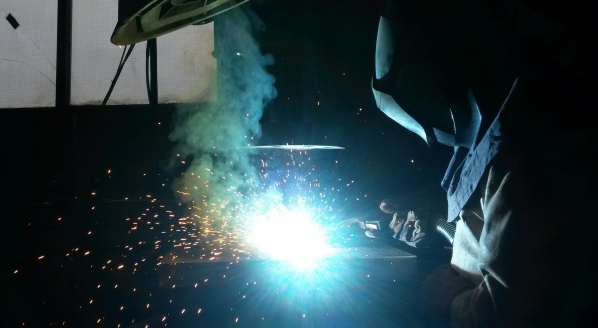
High-quality refit skills take years of experience and practice to acquire – the case for professionalising the sector is presented here
Opinion
Related news
Why crews still build their own spreadsheets
7 days ago
Guidance for non-Schengen nationals
2 weeks ago
What yacht crew are telling ISWAN
3 weeks ago
Why are we repairing the same damage again?
4 weeks ago
Demonstrating refit is in capable hands
2 months ago
NEW: Sign up for
SuperyachtNewsweek!
Get the latest weekly news, in-depth reports, intelligence, and strategic insights, delivered directly from The Superyacht Group's editors and market analysts.
Stay at the forefront of the superyacht industry with SuperyachtNewsweek