The evolution from captain to CEO
After almost three decades in command, Nigel Marrison makes the case that seamanship and safety are no longer enough for a modern superyacht captain…
As the global fleet and scale of superyachts continue to grow, new cruising regions open up and emerging markets develop, the role of the modern superyacht captain is evolving. Captains are no longer simply the master of a vessel.
Today’s yachts operate as complex enterprises, representing assets worth tens, and often hundreds, of millions of euros. They employ diverse multinational crews, manage multi-million-euro operating budgets and operate across multiple jurisdictions, demanding regulatory environments and increasingly complex legislative frameworks.
As the sector expands, stakeholder expectations rise and regulation continues to tighten. Command today is no longer only about navigation, seamanship and safety. It’s about leadership – in a broader sense than the role has traditionally required.
Increasingly, the captain’s role resembles that of a chief executive officer. A modern captain is responsible not only for operational performance, but also for strategic planning, on-board culture, risk management, governance and the long-term stewardship of a highly valuable asset.
Deloitte’s research into modern CEOs highlights an important shift in leadership thinking. The most effective leaders focus not simply on short-term results but on building organisations that endure, grounding their decisions in long-term resilience, stakeholder trust and responsible stewardship.
The modern captain is already operating as something more than a traditional vessel commander – increasingly acting as the leader of a maritime enterprise.
For superyacht captains, the parallel is clear. Command is not just about delivering successful trips or charter seasons, but about safeguarding the long-term performance, reputation and operational integrity of the vessel.
Deloitte, for example, describes the modern CEO as operating simultaneously across four core roles: strategist, catalyst, operator and steward. This framework provides a useful way of looking at how the role of the superyacht captain is evolving.
Viewed through this leadership model, it becomes clear that the modern captain is already operating as something more than a traditional vessel commander – increasingly acting as the leader of a maritime enterprise. In many respects, this is simply an acknowledgement of what the role has quietly become over the past two decades.
Captains today safeguard assets worth €20 million to 100-plus million, manage operating budgets that can exceed €5 million annually, lead crews of 12 to 30 or more professionals, oversee major refits and shipyard periods and ensure vessels operate safely, efficiently and to the highest professional standards across a complex international regulatory landscape. In many respects, the captain’s bridge has become the boardroom of a floating organisation.
In my own career, spanning more than 25 years in the superyacht sector – the majority of that time in command of yachts up to 60 metres – I have increasingly come to view the role as leading a complex maritime enterprise. More recently, through developing operational frameworks exploring governance, efficiency, performance and risk management in yacht operations, that perspective has only strengthened.
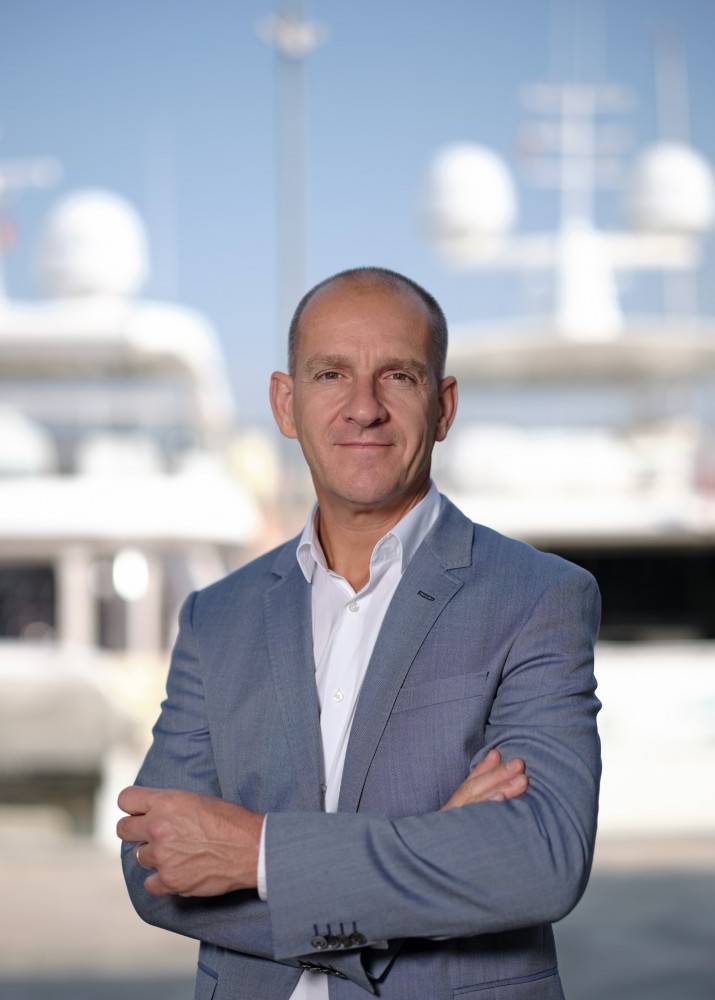
The modern captain is therefore operating, in many respects, as the CEO of a floating enterprise,
not in the corporate sense, but as a captain of enterprise and operations.
The four roles of the modern superyacht captain
Viewed through the leadership lens described in Deloitte’s CEO research, the role of the modern superyacht captain can be understood across four interconnected responsibilities: operator, steward, strategist and catalyst.
Traditionally, the captain’s role has centred on operational command: seamanship, safety and the efficient running of the vessel. The wider responsibilities of stewardship, strategy and culture have often sat in the background. As yacht operations become more complex and scrutiny from owners, regulators, managers and other stakeholders continues to grow, those responsibilities are moving increasingly into the foreground.
1. The captain as operator
At its core, command remains operational. Seamanship, navigation, safety, technical oversight and regulatory compliance continue to sit at the heart of the role. Passage planning, itinerary and guest logistics, crew leadership, engineering and maintenance oversight, and the day-to-day coordination of vessel operations all remain fundamental responsibilities of command.
Everything else depends on the vessel being run safely, professionally and efficiently. But operational excellence alone is no longer enough. Leadership research increasingly reflects this broader view of the role. In Deloitte’s CEO research, adaptability and resilience consistently emerge as defining qualities of modern leadership, alongside strong communication, strategic thinking and emotional intelligence.
These are not abstract corporate traits. They are the same qualities captains rely on every day: navigating uncertainty, responding to changing conditions, making decisions under pressure and leading teams through demanding operational environments.
In many respects, the leadership challenges faced on the bridge mirror those faced in the boardroom.
2. The captain as steward
Beyond operations, the captain also acts as steward of the vessel and its owner – safeguarding a highly valuable asset while protecting the reputation that surrounds it.
This responsibility extends far beyond basic compliance. It involves managing operational risk, maintaining regulatory standards and best-practice credibility, protecting the vessel’s long-term value and ensuring the yacht operates responsibly in the environments and communities it visits.
Captains today sit at the intersection of multiple stakeholders: owners, management companies, regulators, financiers, insurers, crew, brokers, guests and wider society. Each brings expectations around safety, transparency, accountability and responsible operation.
Ultimately, the conduct of the vessel reflects directly on its owner. In a sector that is increasingly visible and subject to greater scrutiny, maintaining operational credibility and reputational integrity becomes an important part of modern command. Stewardship therefore becomes central to the captain’s role, preserving the integrity of the asset while maintaining trust with those who depend on it.
Fundamentally, the captain is responsible for both the operation of the vessel and its reputation.
[Captains’] decisions influence far more than the next trip or charter season. They affect the
vessel’s operational performance, lifecycle planning, regulatory preparedness and ultimately
its long-term asset value.
3. The captain as strategist
Modern command increasingly requires strategic thinking. Captains make decisions that shape the long-term value, credibility and viability of the vessel – from refit planning and technical upgrades to operational efficiency, stakeholder engagement, crew structure and cruising programmes.
These decisions influence far more than the next trip or charter season. They affect the vessel’s operational performance, lifecycle planning, regulatory preparedness and ultimately its long-term asset value.
Captains occupy a unique vantage point within yacht operations. Making informed decisions increasingly relies on clear visibility of how the vessel performs day to day across environmental, social and governance factors, supported by reliable and cohesive operational data.
Working closely with owners, managers, shipyards, suppliers and crew, captains are able to identify opportunities to improve efficiency, mitigate risk and strengthen the resilience of both the vessel and the overall business model.
Strategic leadership in this context is about protecting the long-term integrity of the vessel, its operation and its reputation. In this sense, the captain helps set the direction of the vessel over time, ensuring it continues to operate to the highest professional standards within an increasingly complex operating environment.
4. The captain as catalyst
While operations, stewardship and strategy shape how the vessel functions, the human dimension of command ultimately determines how well it performs.
Superyachts operate as small, high-performance organisations. Crew live and work together in demanding environments where professionalism, trust and teamwork are essential. In this context, the captain plays a central role in setting the tone on board – establishing standards, building culture and creating an environment where people are valued and can perform at their best.
But the catalyst role increasingly extends beyond internal leadership. In collaboration with the owner, the captain also helps define the values that shape how the vessel operates. Those values influence the purpose, mission and direction of the operation, informing how the yacht approaches environmental responsibility, crew wellbeing, community engagement and the wider impact it can have both locally and globally.
When values, leadership and operations align, the vessel becomes more than a platform for travel or leisure. It becomes a professional operation capable of delivering positive social and environmental outcomes alongside exceptional owner and guest experiences.
The captain acts as a catalyst – aligning people, purpose and professionalism to drive performance, responsibility and meaningful impact.
To conclude, the modern superyacht captain therefore operates across far more than navigation and vessel management. The role now spans operations, stewardship, strategy and people leadership – responsibilities that increasingly resemble those of an enterprise leader.
The captain is no longer simply the master of a vessel, but the leader of a complex maritime organisation – the captain of enterprise and operations.
This article first appeared in The Superyacht Report: Captains Focus. With our open-source policy, it is available to all by following this link, so read and download the latest issue and any of our previous issues in our library.
NEW: Sign up for SuperyachtNewsweek!
Get the latest weekly news, in-depth reports, intelligence, and strategic insights, delivered directly from The Superyacht Group's editors and market analysts.
Stay at the forefront of the superyacht industry with SuperyachtNewsweek
Click here to become part of The Superyacht Group community, and join us in our mission to make this industry accessible to all, and prosperous for the long-term. We are offering access to the superyacht industry’s most comprehensive and longstanding archive of business-critical information, as well as a comprehensive, real-time superyacht fleet database, for just £10 per month, because we are One Industry with One Mission. Sign up here.
Related news
Unlocking the hidden potential of the legacy superyacht fleet
Simon Brealey at Lateral Naval Architects on how owners can modernise their yachts to align with contemporary environmental and technical standards
Technology
Regulations and compliance – meeting standards that matter
With systemic issues plaguing the industry, Emma Gillett, founder and CEO of SeaFeedback, raises a call for compliance to be held to a standard that must be met
Crew
The value in crisis
In this interview, Brendan O’Shannassy calls for a values-based revolution to future-proof the industry and reclaim its potential
Crew
A double standard in maritime and aviation regulation
Felix Christians highlights a growing regulatory disconnect in maritime aviation that he feels deserves serious attention
Opinion
Syncing the link
The founder of Holistic Yacht Interiors on the importance of bridging the gap between yacht construction and the realities of day-to-day on-board operation
Crew
NEW: Sign up for
SuperyachtNewsweek!
Get the latest weekly news, in-depth reports, intelligence, and strategic insights, delivered directly from The Superyacht Group's editors and market analysts.
Stay at the forefront of the superyacht industry with SuperyachtNewsweek