
Luxury isn’t what’s visible, it’s what works consistently, without strain
What is the answer when chefs’ hours-of-rest compliance is compromised by operational demands? Brennan Dates presents the solutions to an imperfect structure…
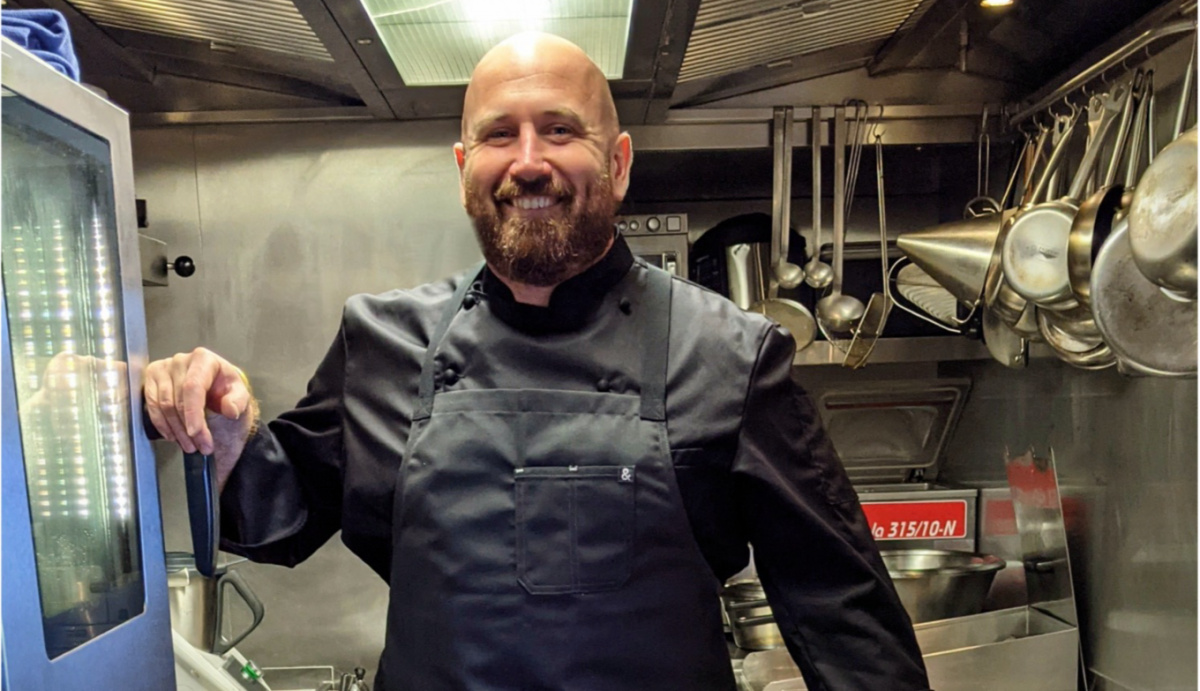
Chef Brennan Dates
What defines luxury on a superyacht? From the outside, it’s immaculate service, flawless food and immediate response to any request, but behind the scenes, there’s a structural contradiction the industry has yet to address: the level of service expected on charter is often incompatible with legal ‘hours-of-rest’ requirements for chefs.
On paper, the rules of compliance are clear. Under current maritime labour frameworks, crew must receive defined rest periods within a 24-hour cycle. In practice, the chef’s role during a guest trip makes that difficult – often impossible – to achieve without compromising the product.
Consider the operational reality: a typical charter day involves early breakfast preparation, random guest requests, crew meals, guest meals, provisioning management, cleaning the galley and late-night orders if guests are partying on board or getting back from the club. On smaller yachts, this is handled by a single chef, a lone warrior. On larger yachts, even with a sous chef or two, the guest expectations are even higher, and service times still compress any available rest windows to the point where ‘hours of rest’ compliance becomes a grumbled fantasy rather than a reality.
This is not a question of discipline or poor planning, it’s a structural issue. The system expects restaurant-level output, on demand, across extended hours, without enough staff to legally cover the hours. Something has to give – and too often, it is hours of rest.
The industry knows this is happening. Captains try to manage it as best they can and galley teams work through the heavy demands of guest trips. Flag states understand the pressure, but the hours written down often look correct on paper and don’t fully show how much people are actually working. This creates a gap between the rules and real life, which can affect crew wellbeing, safety and the long-term success of a programme.
If the goal is to maintain high standards while aligning with legal frameworks, the solution is not
stricter paperwork, it’s operational adjustment.
Fatigue is not an abstract concern. In a galley, it increases the likelihood of injury, reduces consistency and impacts decision-making under pressure. Over time, it contributes to burn-out and high turnover, both of which are costly to owners and disruptive to the guest experience.
If the goal is to maintain high standards while aligning with legal frameworks, the solution is not stricter paperwork, it’s operational adjustment.
First, staffing needs to be looked at differently. Crew set-ups often favour visible service roles, while the galley runs with the bare minimum. Shifting that balance – adding one more chef instead of another junior role elsewhere – makes a real difference. It allows proper shifts, protects rest time, and better food for guests and crew, while leading to more consistent service.
Second, the role of the yacht chef should be more clearly defined within regulatory and operational frameworks. Unlike many other positions on board, the chef’s workload is directly tied to unpredictable guest behaviour and extended 24-hour service expectations. Treating it as a standard shift-based role without accounting for these variables leads to a system that doesn’t work in anyone’s best interest, including the owners.
Third, equipment standards need to reflect the reality of the environment. A yacht galley is not a domestic kitchen. Even on a 30-metre yacht, the volume and frequency of food production exceed what residential equipment is designed to handle. Yet it is still common to see domestic-grade appliances installed under the label of ‘professional’.
If the industry wants both compliance and performance, it needs to stop managing the symptoms
and fix the structure.
This is a false economy. Domestic equipment under sustained load fails more frequently, requires more attention from the engineers and slows down production. In contrast, properly specified commercial, marine-grade equipment is built for continuous use, easier maintenance and consistent output. It reduces downtime, improves workflow and directly supports compliance by making the operation more efficient.
No private residence operates at this level – preparing multiple meals daily for 20 to 50 people, often with bespoke requests and tight turnaround times. Superyacht galleys are closer to high-performance commercial kitchens, and they should be equipped and staffed accordingly from the outset.
This isn’t about spending more, it’s about getting the set-up right. The crew and equipment need to match the level of service expected. In the context of a new build or refit, adding another chef or using proper commercial equipment is a small adjustment. The real cost shows up when the galley is stretched: fatigue, mistakes and constant turnover.
Luxury is not what’s visible, it’s what works consistently, without strain. That requires an operational model that supports the people delivering it. If the industry wants both compliance and performance, it needs to stop managing the symptoms and fix the structure.
This article first appeared in The Superyacht Report: Captains Focus. With our open-source policy, it is available to all by following this link, so read and download the latest issue and any of our previous issues in our library.
NEW: Sign up for SuperyachtNewsweek!
Get the latest weekly news, in-depth reports, intelligence, and strategic insights, delivered directly from The Superyacht Group's editors and market analysts.
Stay at the forefront of the superyacht industry with SuperyachtNewsweek
Click here to become part of The Superyacht Group community, and join us in our mission to make this industry accessible to all, and prosperous for the long-term. We are offering access to the superyacht industry’s most comprehensive and longstanding archive of business-critical information, as well as a comprehensive, real-time superyacht fleet database, for just £10 per month, because we are One Industry with One Mission. Sign up here.
Related news
The Superyacht Report 229: Captains Focus - Out Now
513 whales in a day, a yacht arrested by US Marshals, Guy Booth on refusing to abandon Phi and so much more in TSR 229
Crew


The invisible curriculum
Andrew Roch, founder and CEO of Yacht Crew Recruitment & Training, on leadership, mentorship and how great captains are really made
Crew

Regulation without teeth
Matt Roberts, Director of Anchorpoint, spells out why superyacht cybersecurity has never been optional
Opinion

Superyacht OpEx Survey: Captains and First Officers have your say
How much do superyachts really spend – and where does that money go?
Crew
Related news
The Superyacht Report 229: Captains Focus - Out Now
4 months ago
Croatia’s SSVO 2026 Revisions
5 months ago
The invisible curriculum
6 months ago
Regulation without teeth
6 months ago
NEW: Sign up for
SuperyachtNewsweek!
Get the latest weekly news, in-depth reports, intelligence, and strategic insights, delivered directly from The Superyacht Group's editors and market analysts.
Stay at the forefront of the superyacht industry with SuperyachtNewsweek