
How to orchestrate a Montenegrin marina
Adriatic42 chairman David Margason on polo ponies, DJ decks and the improbable business of an Adriatic ecosystem…
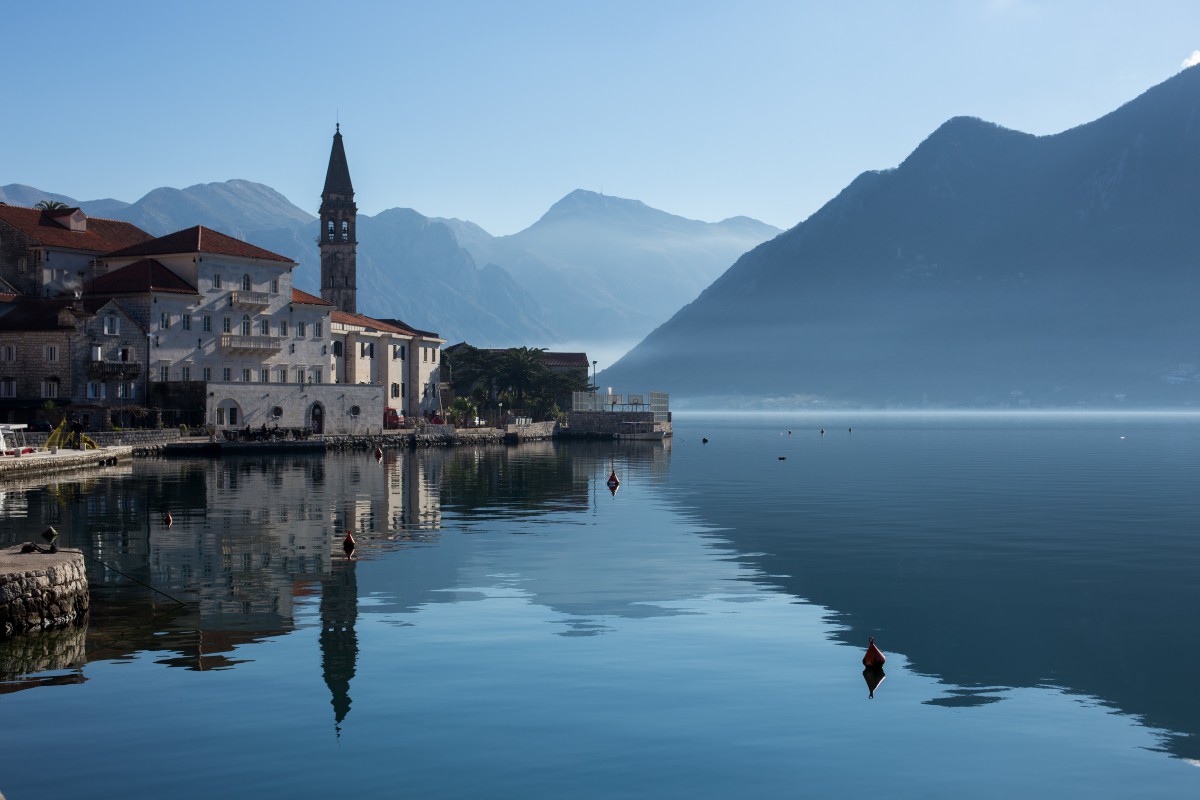
At quarter to eight on a cool morning in the Bay of Kotor, a shuttle bus idles outside a cluster of rental apartments and a newly opened hotel in Porto Montenegro. Thirty or forty crew climb aboard, are driven across to Adriatic 42, the resort's refit yard, spend the day working on vessels between 60 and 80 metres, and are brought back in the evening to a waterfront village of restaurants, bars, sports facilities, a cinema and a working recording studio. By ten that night, some of those same crew will be behind the decks in one of the village's clubs, or laying down a track a few hundred metres from the dry dock where they spent the afternoon polishing steel.
The former Yugoslav naval base on Montenegro’s Adriatic coast has spent the best part of two decades being re-engineered into a full ecosystem refit yard, marina, boarding school, hotel group, sports club, studio complex, all under one conductor. David Margason, chairman of the adjacent refit yard Adriatic 42, uses that word, ecosystem, constantly and it survives the repetition. His thesis is that to execute the next phase of growth in yachting lies in the operators who can house and entertain a crew, educate the captain’s children, give a post executive owner somewhere credible to take a business call, train a professional athlete through the shoulder season and still deliver refit quality a 100 metre owner will sign off on.
“On these bigger projects,” Margason says, “you’re immediately bringing thirty, forty, sometimes fifty crew into the picture, even if the actual work scope is relatively modest. You don’t just inherit the project. You inherit the logistics of those people and then the entire ecosystem of subcontractors, workers and suppliers that support them.”
Porto Montenegro’s initial works began in 2007, with the first residences occupied around 2009 and the initial marina and hotel opening a few years after that, but the scope of the project is double what has transpired so far. “We’re barely fifty per cent of the way through the total allowable built area,” he continues.
“It’s probably another fifteen years to completion. The point is not just to build faster. It’s to make sure that what we’re building functions as a whole.”
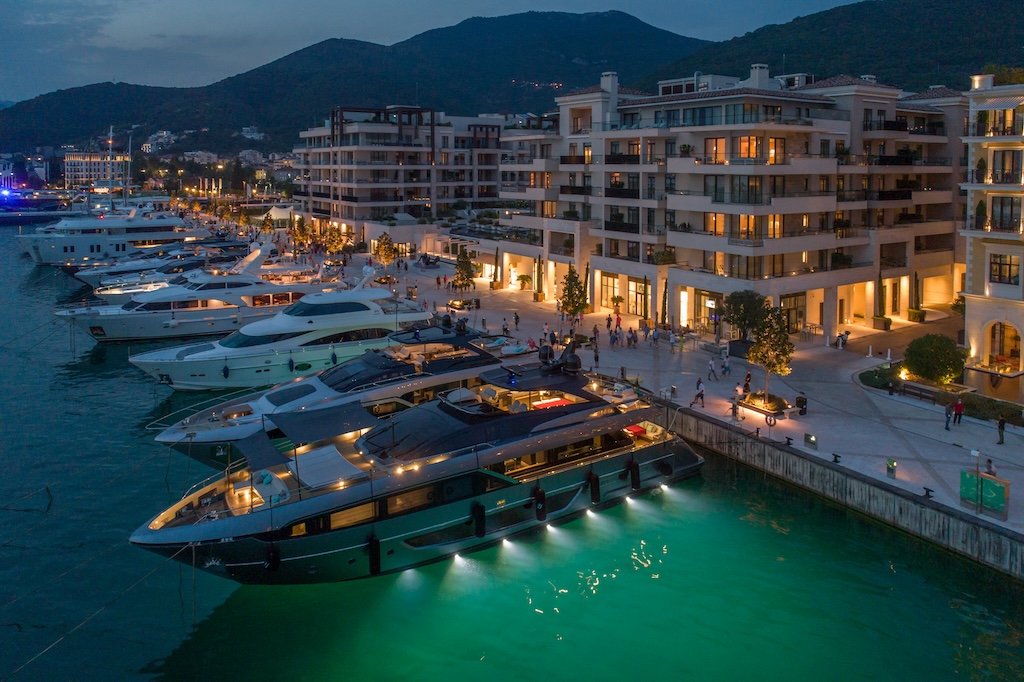
Montenegro inherited genuine heavy engineering talent from its naval history, steel, welding and mechanics. Glass workers, marble installers and exotic material specialists are another matter entirely and Palma or La Ciotat can reach thousands of them within half an hour’s drive.
“In Palma or La Ciotat, you can pull from two or three thousand highly capable subcontractors across all disciplines,” Margason says. “We have almost none of that in Montenegro when it comes to very high-end interiors. The legacy skills here are in engineering, steel and welding. That’s a great foundation, but it is not glass, marble and the unusual materials people expect in their yachts today.”
Adriatic 42 has built three subcontractor hubs to close the gap with Navigo in Viareggio, a Greek partner in Athens and contacts in Antalya and Istanbul. On a major project, as much as eighty per cent of the work is still subcontracted, with artisans flown in and housed locally for the duration. Italian, Turkish and Greek labour costs, then stack accommodation and travel on top.
“It means it’s not so easy for us to be competitive on large, complex projects where we have to bring in a lot of skills from abroad,” Margason concedes.
“We’re finding that we are competitive, but that’s largely because we’re probably working on lower margins than other yards. We’re new, we’re in a growth phase and we’re prepared to do that. We’re not passing it on to the customer in terms of higher costs. If we did, we simply wouldn’t be competitive.” The bet is that subcontractors eventually plant permanent roots in Montenegro and start transferring skills into the local workforce, flattening the imported cost structure and moving the yard from price taker to a structurally stronger competitor.
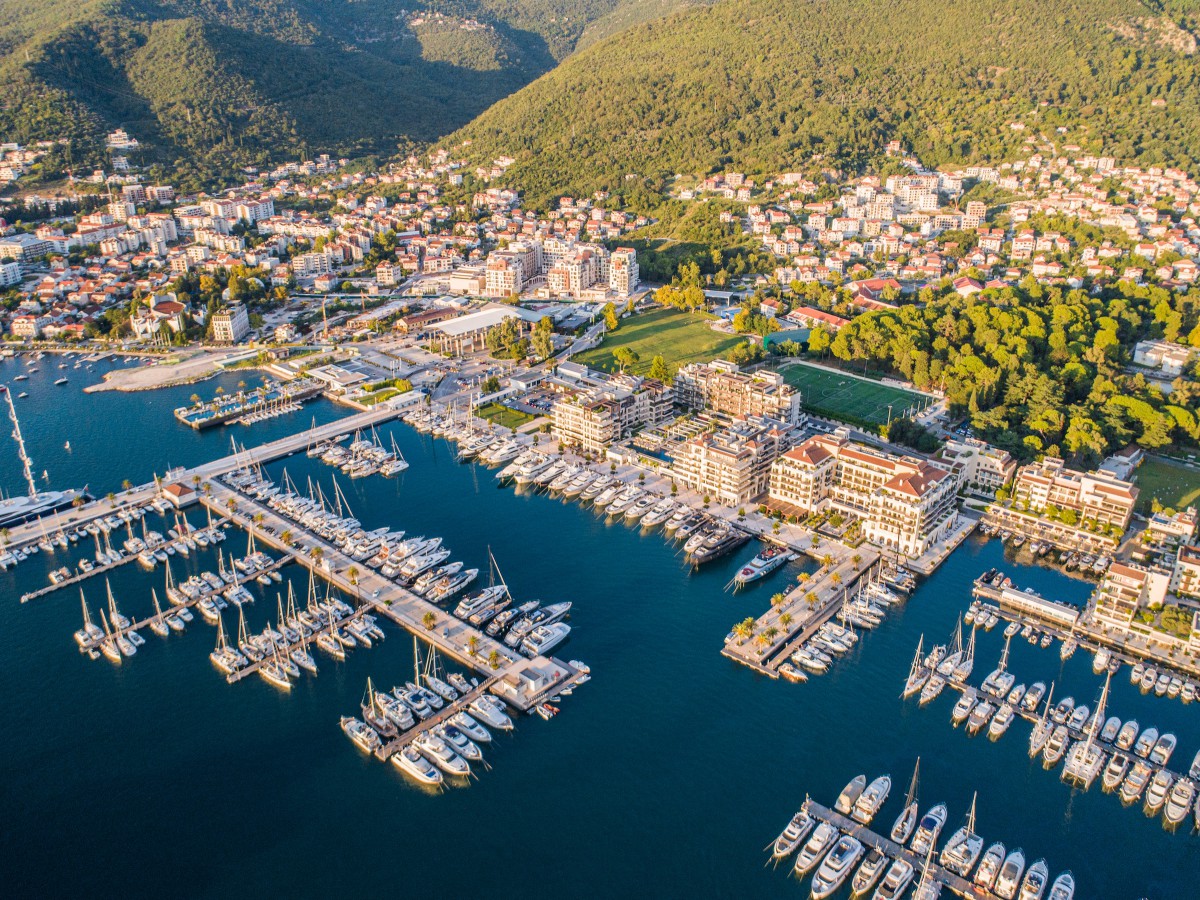
If the yard runs thin margins by design, the village around it is a different budget entirely, spent on crew lifestyle and it is buying loyalty in a market where loyalty is the scarce resource. “The crew love to be working here because of the lifestyle they have on the doorstep,” Margason says. “You could be up a river in Northern Europe in the middle of winter, or you can be here and at the weekend you’re skiing and then sitting on the terrace in the sun. That makes a difference.”
A new on-site medical centre has taken the edge off long winter stays. “People are always a bit hesitant about who they’re going to see if something happens, especially if they’re here for months at a time,” Margason notes. “We now have a really excellent medical centre on site and people no longer feel cautious about that.” The village runs its own social and creative programme on top of resort-wide winter and summer games, recording studio sessions, DJ slots at village events, all folded into ordinary crew life.
“There are a lot of musicians on Black Pearl and on Cloudbreak, which we had in the yard recently,” Margason says. “We’ve got quite a few semi-professional DJs amongst the crew, so they get a chance to perform at events. It all becomes part of an ecosystem. When the next winter comes around and a captain says to a crew, ‘We’re going to location X,’ increasingly the response is ‘Why? I want to go back where we were previously.’ That’s the point of all the effort.”
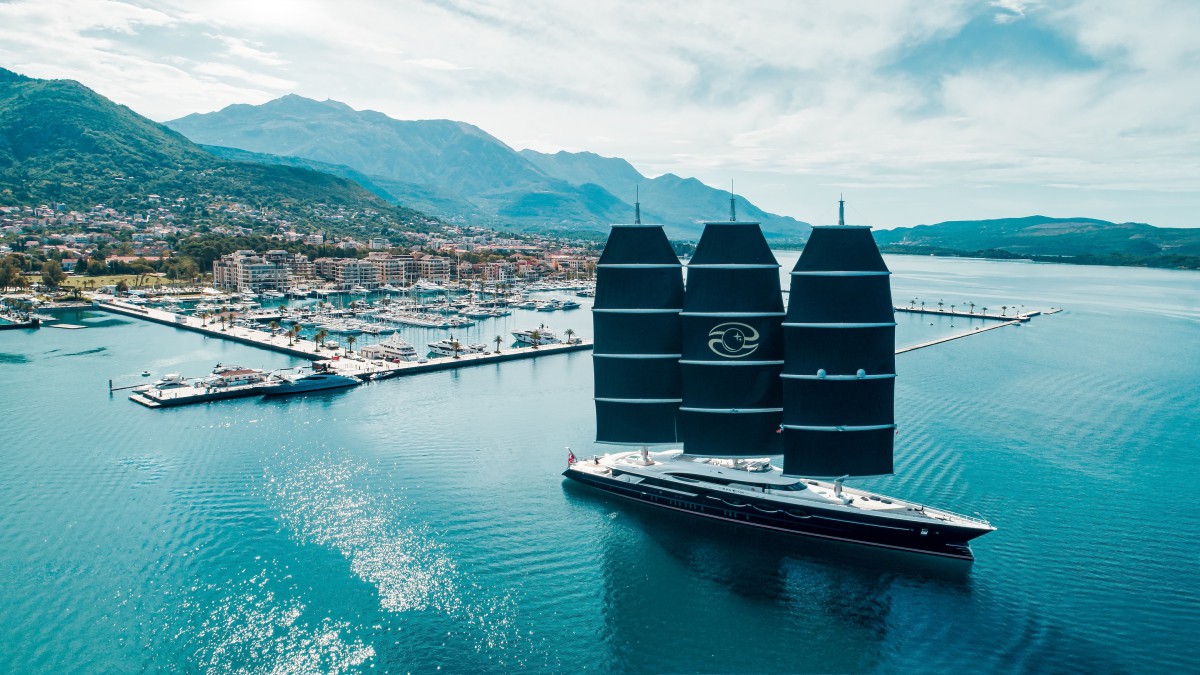
The village itself has had a serious refresh in the past year. Dubai’s Sunset Group now runs the redeveloped yacht club and day club, the pool club rebranded Aura and the nightclub Delirio, names lifted straight from Dubai’s own hospitality landscape. It plants a globally benchmarked standard of day and night life onto a stretch of the Adriatic that had neither a few years ago. A new district, Boka Place, has landed alongside it 215 apartments, a second five star hotel under Kerzner’s SIRO brand and a health and fitness centre of more than 2,000 square metres running cryotherapy and structured road and mountain cycling programmes.
“It goes far beyond just having a decent gym,” Margason says. “There’s a whole lifestyle programme for active people, whether they’re local members, crew who become temporary members while they’re here, or hotel guests. That’s been a big change for us.” The same district hosts the only three screen cinema on Montenegro’s south coast, launched with a regional film and television awards event, plus around forty new shops and restaurants aimed as much at year round residents as summer charter crowds.
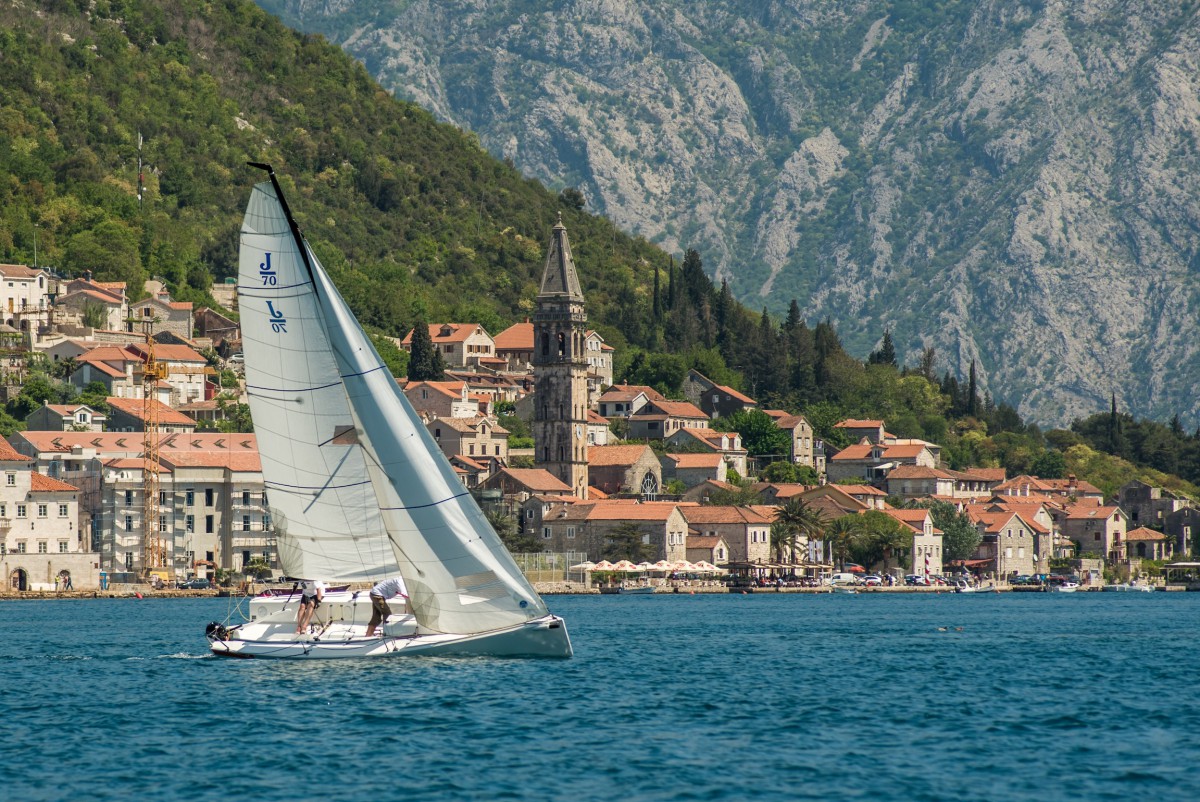
Wealth is increasingly sitting in the resident base now.. Owners in their thirties and early forties are arriving in volume, heavy on financial engineering and technology money. Alongside them is a cohort Margason refuses to call retirees.
“I call them ‘post executive’,” he says. “Most of these people never retire. They are economically active but they are not sitting in an office. Their lives become a continual mix of work and social blended together.”
Rather than one office block sitting awkwardly against the resort’s architecture, the village runs three small business clubs, each 10 to 15 suites sharing a reception, boardroom and coffee lounge, let to lawyers, accountants, patent attorneys and family offices.
“They all let immediately,” Margason says. “And the business activity between those people is actually one of the most accessible ways of marketing we have. The conversations that go on in those professional communities find their way back into their wider networks.” Porto Montenegro now has its own relocation and concierge arm for that shift, Adriatic Global Living, handling residency paperwork, property and schooling, so a visit can turn into an actual move.
Education has scaled with it too. The onsite International Baccalaureate school had around a hundred pupils when Margason arrived in 2017. It has roughly 350 now, with room to grow local families choosing private education as domestic wealth rises and homeowning parents who rotate between Montenegro and other base while their children board.
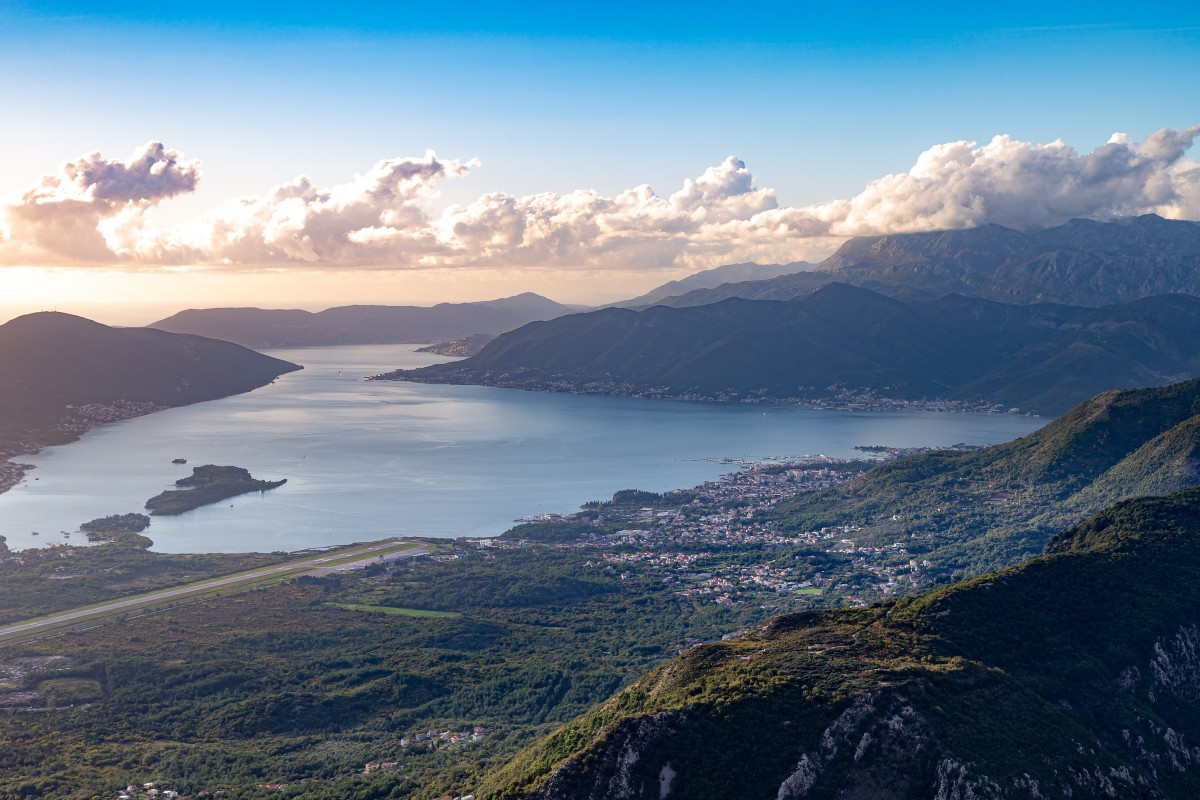
“Their parents have a home in the village,” he says. “They might live and work for half the year here and half the year somewhere else, but the children stay. They do their swimming lessons in our yacht club, they hike in the mountains, they have very healthy lives. It’s complicated to operate, but the ecosystem they all create together is what makes the place special.”
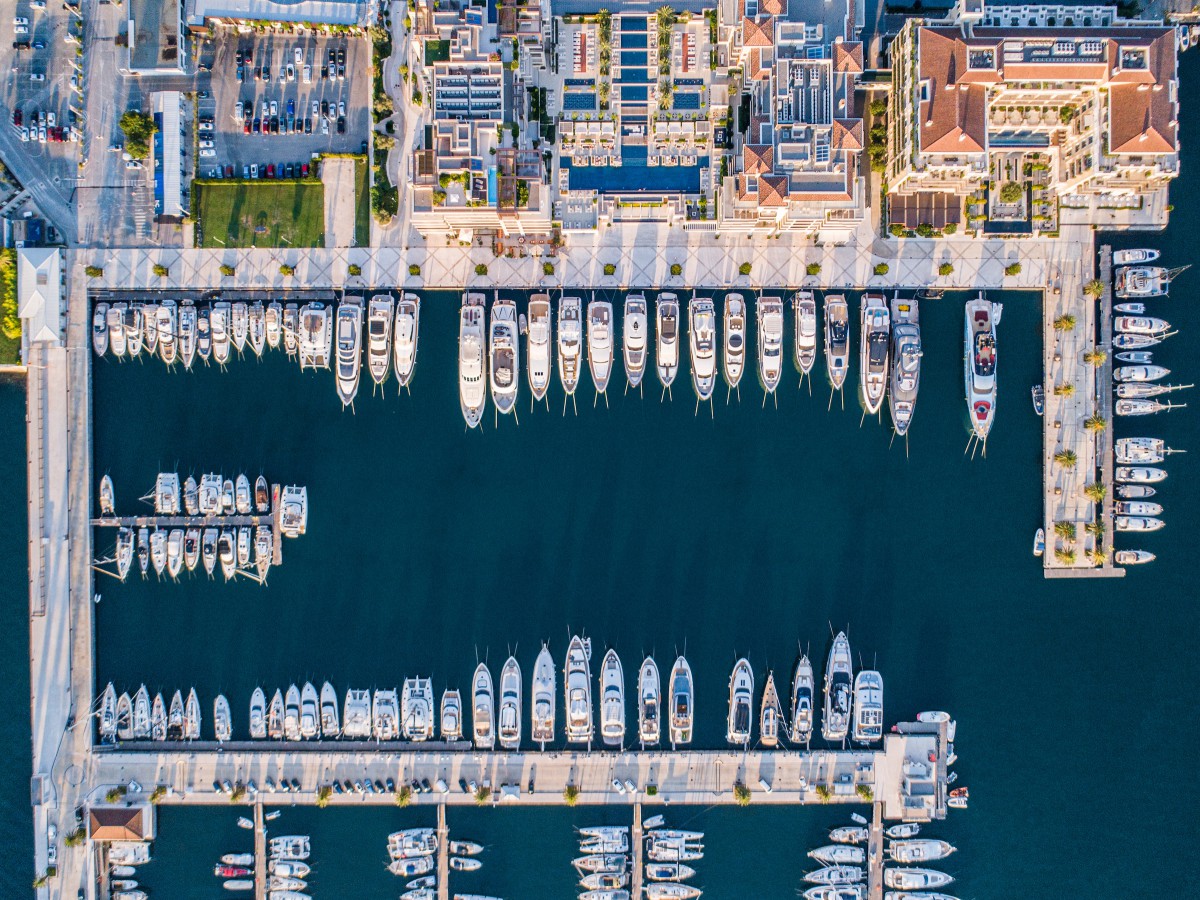
The marina runs to around 480 berths for vessels between nine and 250 metres, with consent to expand to roughly 850. Fifteen to twenty yachts over 60 metres are typically alongside at any one time, three or four of them over 100 metres and the marina offers duty free fuel, genuinely scarce in the Mediterranean and shared with only a handful of other locations, Gibraltar and Albania among them.
The global fleet keeps growing and almost nothing gets scrapped, which makes permanent berthing its own gating factor on ownership decisions. “The waiting lists in Palma and Ibiza, particularly, are very, very difficult,” Margason says.
“Every captain says to me, ' Where are we going to park the boat? Winter itineraries are drifting east to answer that question.” The Red Sea corridor has reopened and Thailand now lets foreign-flagged vessels charter in Thai waters without full import, taxing charter income instead, both of which give owners a credible alternative to the traditional Caribbean season, the pull towards Asia particularly strong among Middle Eastern owners, Margason adds.
“Everybody likes something new. You can sit with a client who has been going to St Barths for fifteen years and suddenly say, ‘What about Ha Long Bay this year?’ That is a powerful offer.”
There are some puzzles to be solved, however. Airlift is the immediate constraint, especially when winter connectivity is still thin, though a relatively new government has opened several direct routes and is concessioning both of Montenegro’s airports, a step expected to unlock private investment and a more robust route network over time. Regulation is the second constraint, in the literal sense that much of what Porto Montenegro wants to do has never been attempted in the country before. The first polo match needed forty ponies imported and customs officials at the border had only ever worked from regulations for importing meat.
“We were importing these ponies temporarily, but nobody had ever imported horses to Montenegro before,” Margason recalls. “They imported horse meat, but not horses, so you had people looking at the meat regulations and trying to figure out how to apply those to the horses. In the end we worked it out together and did the first polo in Montenegro and it was spectacular. But it’s an example of many. Often when we go to do something we all think is very simple and very normal, the system has never seen it before.”
Episodes like that add up to gradual legal and administrative change and they feed the case for Montenegro’s prospective EU accession, currently pencilled in for 2029. “For a lot of people, it’s the certainty of being in Europe that matters,” Margason adds. “We will lose some advantages in some respects, but overall it will be a huge positive in terms of legal standards, border control, health, everything.”
He flags two shifts he thinks the market hasn’t priced in yet the airport concessions and EU entry itself. “Property has risen a lot because of the popularity of the country,” he says, “but the airport concession is not priced in yet and neither is EU entry. So even though prices have gone up, there are still a couple of inherent reasons why investing now should produce great returns over the next five years.”
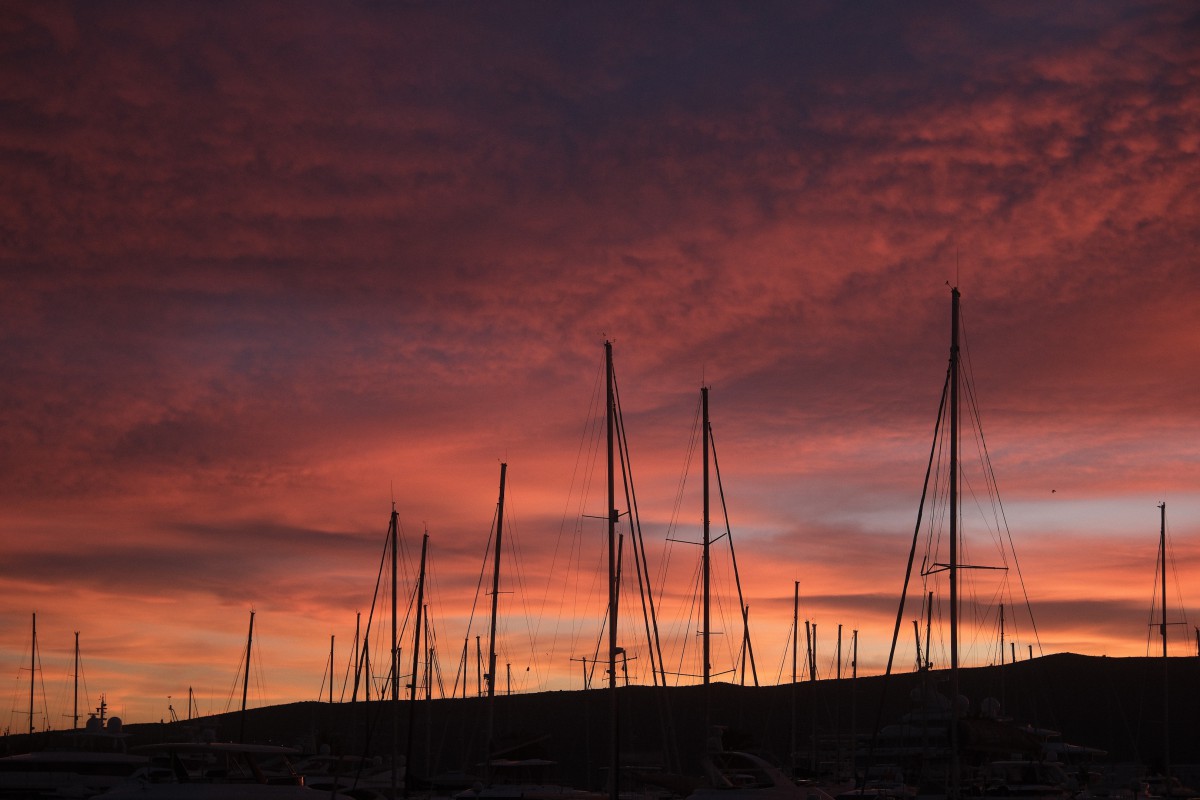
It is an unashamedly long term pitch, but then this is an unashamedly long term project, and one of the few places in the Mediterranean where a single ownership structure can align a refit yard, a deep water marina, a boarding school, a film and music studio complex, a sports themed five star hotel, a residential district built around active lifestyle and a fleet of shuttle buses into one coherent piece.
“That's what allows us to create these unusual situations where everybody benefits,” Margason says.
“We can grab the guy who owns the shipyard and the guy who runs the studio and say, ‘It would be a great idea if we did that video in the dry dock,’ and we can just do it. Whether you are a business based here, a homeowner or a visitor, what we’re aiming to offer is a less ordinary lifestyle. The infrastructure is one thing. The ecosystem is what makes it work.”
Profile links
NEW: Sign up for SuperyachtNewsweek!
Get the latest weekly news, in-depth reports, intelligence, and strategic insights, delivered directly from The Superyacht Group's editors and market analysts.
Stay at the forefront of the superyacht industry with SuperyachtNewsweek
Click here to become part of The Superyacht Group community, and join us in our mission to make this industry accessible to all, and prosperous for the long-term. We are offering access to the superyacht industry’s most comprehensive and longstanding archive of business-critical information, as well as a comprehensive, real-time superyacht fleet database, for just £10 per month, because we are One Industry with One Mission. Sign up here.
Related news
Marina Port Vell secures new majority shareholder
Monagasque investment firm Mirazur Capital has reportedly secured a 52 per cent stake from Qatari QInvest in an off-market deal
Business
Camper & Nicholsons to change ownership in €40 million deal
Lai Sun are set to sell 80 per cent of C&N to a Chinese e-commerce giant, with a full takeover on the cards in 2027
Business
IMM expands into Europe with Atlantic Refit Center acquisition
The Caribbean refit specialists eye further European expansion with the takeover of the ARC facility in La Rochelle, France
Business
Global study reveals the economic power of the superyacht industry
New study positions yacht builders as the industrial foundation of a €54 billion global superyacht economy
Business
TISG capital losses force shareholder showdown
Losses have driven the builder’s share capital below the legal minimum, instigating a July meeting at which shareholders will decide the firm’s fate
Business
Ferrari walks, Weichai prevails and KKCG fights on in Ferretti AGM chaos
The meeting delivered more questions than answers as two directors resigned amid allegations of regulatory non-compliance and suspension requests
Business
Related news
Marina Port Vell secures new majority shareholder
4 months ago
TISG capital losses force shareholder showdown
5 months ago
NEW: Sign up for
SuperyachtNewsweek!
Get the latest weekly news, in-depth reports, intelligence, and strategic insights, delivered directly from The Superyacht Group's editors and market analysts.
Stay at the forefront of the superyacht industry with SuperyachtNewsweek