The asset you can’t see: why technical knowledge is the next frontier of superyacht value
Jonathan Lee, CEO of Sentini Marine, argues that the industry’s most overlooked asset is the operational knowledge embedded in the vessel itself…
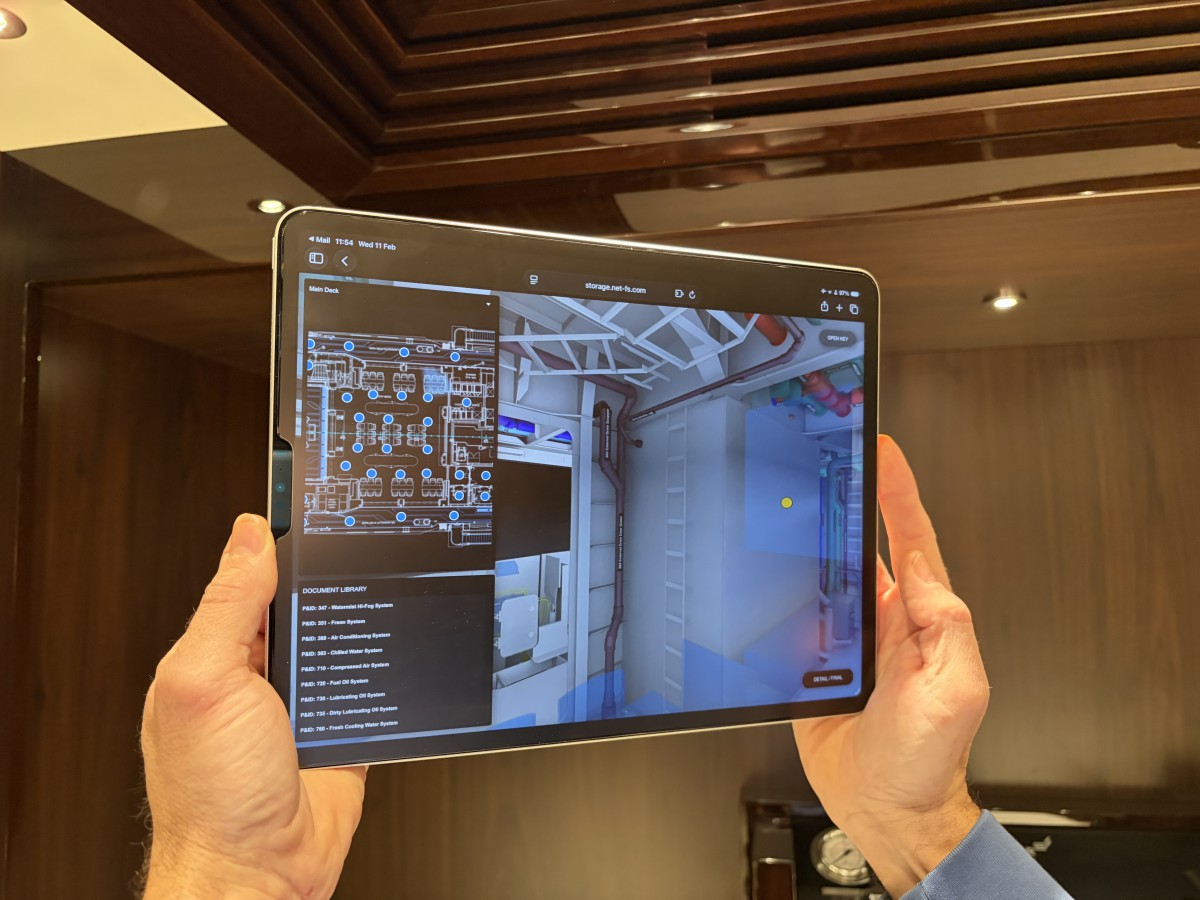
The superyacht industry has always known how to protect what it can see. Paintwork, teak decks, designer furniture, owner’s privacy and enormous resources are directed at preserving the visible quality of an asset worth tens or hundreds of millions. But as vessels become increasingly sophisticated, a quieter, more consequential form of value is being overlooked.
Technical knowledge. Not manuals. Not a folder of shipyard drawings. But a living, vessel-specific body of verified operational understanding, the kind that tells a chief engineer not just what a system does, but how it was installed on this yacht, how it interacts with adjacent systems, and what has changed since delivery.
When that knowledge exists in structured, accessible form, it underpins everything: smoother sailing, safer operation, faster fault resolution, cleaner refits, stronger resale confidence. When it doesn’t, the cost is measured in time, in avoidable damage, and in risk that never fully announces itself until something goes wrong.
The knowledge that leaves with the crew
Crew turnover is an accepted reality in yachting. Senior engineers leave. Captains change. Refit teams complete their work and move on. What is less often acknowledged is what departs with them: a significant portion of the vessel’s operational memory.
Modern superyachts are delivered with documentation that was designed primarily for the build process, shipyard drawings, OEM manuals, certification records. That material reflects how the yacht was designed to be built. It rarely captures how the yacht was actually built, how systems have been adapted in service, or how the vessel’s unique infrastructure should be navigated by a crew encountering it for the first time.
The gap is filled by institutional knowledge: the kind held by the engineer who commissioned the vessel, the captain who managed her first refit, the technician who knows which access panel conceals which junction. When those people leave, so does that understanding. The yacht remains. Its context does not.
For owners, that erosion creates real expense. Fault-finding takes longer. New crew require more intensive onboarding. Refit teams spend billable time rediscovering information that should already be documented. Warranty claims become harder to evidence without a clear operational record.
The real opportunity is to treat technical documentation not as an afterthought, but as part of the yacht’s enduring value. When that knowledge is verified, structured and maintained, it becomes part of the asset itself.
“The real opportunity is to treat technical documentation not as an afterthought, but as part of the yacht’s enduring value. When that knowledge is verified, structured and maintained, it becomes part of the asset itself.” — Jonathan Lee, founder, Sentini Marine
Documentation as a strategic asset
The conventional view of technical documentation positions it as a compliance requirement: something produced at build, stored somewhere accessible, and consulted when things go wrong. Our argument is that this view undervalues what documentation can actually do.
When produced with genuine operational rigour, vessel-specific, verified and structured to reflect the yacht as it actually exists in service, technical documentation becomes something more durable. It creates a transferable operational memory. It allows any qualified engineer, regardless of their prior history with the vessel, to understand its infrastructure with confidence. It gives management companies a consistent baseline that survives personnel changes. And it gives future buyers something increasingly rare in a transaction: clarity.
Buyers in today’s market are not simply assessing aesthetics and specification. They are assessing risk. How robustly has the vessel been managed? How quickly can a new team understand its systems? How much operational knowledge is embedded in the asset itself, rather than residing in the memory of whoever happens to be onboard at the time of inspection?
A yacht with strong technical continuity answers those questions before they are asked. One without it introduces uncertainty at precisely the moment when confidence matters most.
Building the case for invisible continuity
The argument we make is straightforward: as-built documentation is not merely a record of completion. It is a strategic investment in preserving what the vessel knows about itself. For shipyards, it represents an opportunity to deliver a more complete product. For owners and their representatives, it provides long-term asset protection that operates quietly but persistently. For management companies, it reduces dependence on informal knowledge transfer and improves operational consistency. For buyers, it provides evidence of stewardship.
Millions are spent each year protecting the visible quality of superyachts. The next frontier is protecting something less tangible, but no less valuable: the knowledge that makes those assets operable, transferable and resilient across a full working life.
A superyacht’s value is not only defined by how beautifully it was built. It is also defined by how well its knowledge survives.
This article first appeared in The Superyacht Report: Captains Focus. With our open-source policy, it is available to all by following this link, so read and download the latest issue and any of our previous issues in our library.
NEW: Sign up for SuperyachtNewsweek!
Get the latest weekly news, in-depth reports, intelligence, and strategic insights, delivered directly from The Superyacht Group's editors and market analysts.
Stay at the forefront of the superyacht industry with SuperyachtNewsweek
Click here to become part of The Superyacht Group community, and join us in our mission to make this industry accessible to all, and prosperous for the long-term. We are offering access to the superyacht industry’s most comprehensive and longstanding archive of business-critical information, as well as a comprehensive, real-time superyacht fleet database, for just £10 per month, because we are One Industry with One Mission. Sign up here.
Related news
The Superyacht Report 229: Captains Focus - Out Now
513 whales in a day, a yacht arrested by US Marshals, Guy Booth on refusing to abandon Phi and so much more in TSR 229
Crew

The invisible curriculum
Andrew Roch, founder and CEO of Yacht Crew Recruitment & Training, on leadership, mentorship and how great captains are really made
Crew
New Schengen Immigration Entry/Exit System (EES) for non-Schengen nationals
Christophe Bourillon, CEO of the Professional Yachting Association (PYA), explains what the changes mean for yacht crew
Opinion
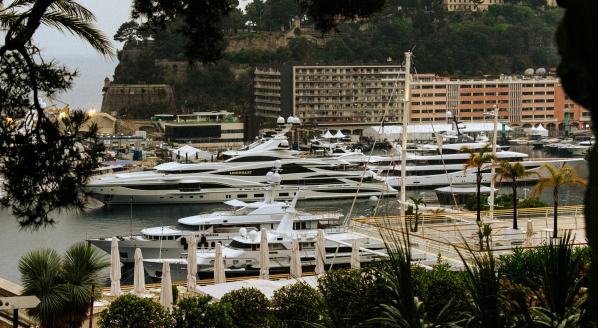
Superyacht OpEx Survey: Captains and First Officers have your say
How much do superyachts really spend – and where does that money go?
Crew
Related news
The Superyacht Report 229: Captains Focus - Out Now
4 months ago
The invisible curriculum
6 months ago
NEW: Sign up for
SuperyachtNewsweek!
Get the latest weekly news, in-depth reports, intelligence, and strategic insights, delivered directly from The Superyacht Group's editors and market analysts.
Stay at the forefront of the superyacht industry with SuperyachtNewsweek