CHIRP Report: Loss of control and unsafe foredeck practices
An owner puts themself in danger and illustrates the need for safety standards to apply equally to everyone on board…
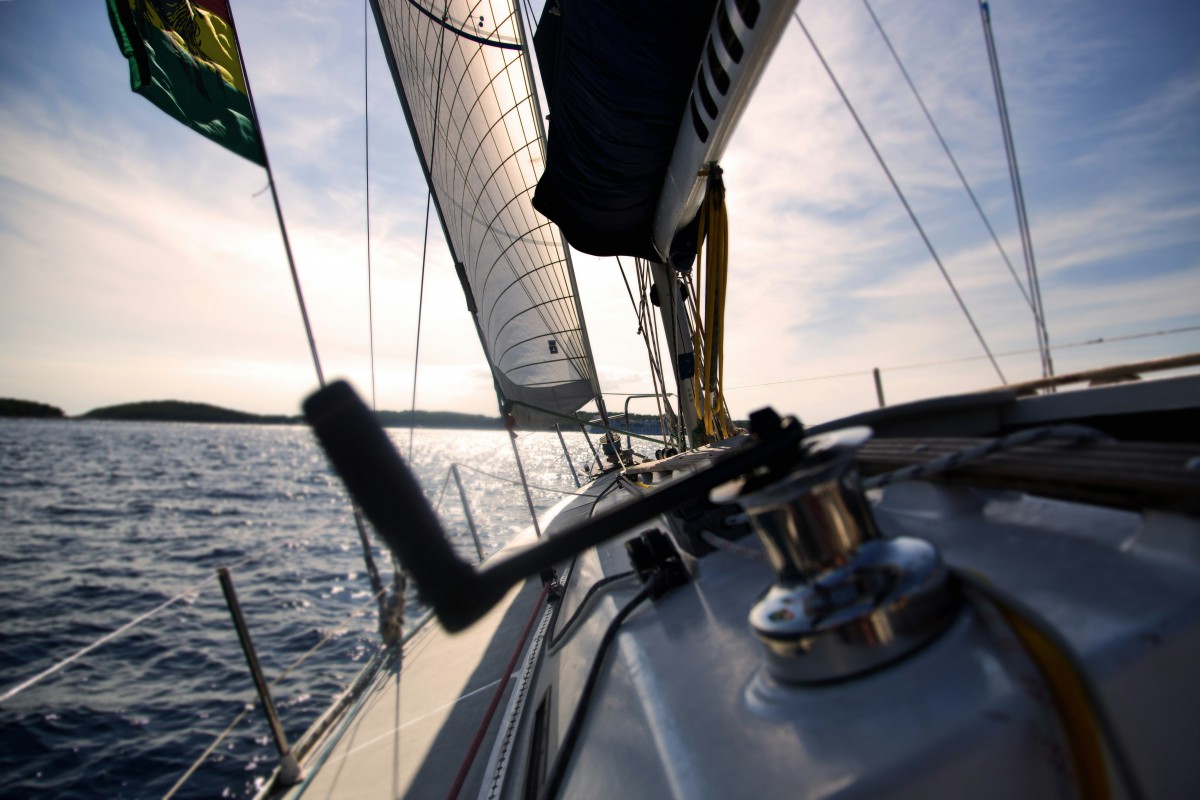
Representative image only
During an ocean passage on a privately operated large sailing yacht, nine people were on board, including three professional crew, a chef and five guests with little or no sailing experience.
While under sail, the owner was on watch and steering. As the sea state deteriorated and a squall approached, the watchkeeper called the captain to the deck to reduce sail. Before this could be completed, the owner unintentionally gybed (placed the stern into the wind) the yacht. The sudden manoeuvre caused the preventer to part, placing extreme loads on the boom vang and damaging its seals.
The watchkeeper took the helm to regain control while the captain assumed command. The mainsail was brought under control.
When the preventer failed, an associated block shattered under load and debris narrowly missed a crew member.
Later in the passage, the crew carried out a night-time operation to lower the staysail. Those working on the foredeck were wearing lifejackets and clipped onto the vessel. The owner came forward without a lifejacket or safety line and nearly went overboard. The captain and another crew member prevented the owner from falling after he became entangled in the staysail sheets.
The reporter highlighted the importance of ensuring watches include at least two experienced crew members whenever inexperienced guests are carried, particularly during offshore passages or heavy weather.
CHIRP comment
This report highlights how quickly a manageable situation can escalate when deteriorating weather, high-energy equipment and limited resources combine. When sailing on a broad reach in a following wind and sea, an unintentional gybe can be difficult to prevent, making early preparation and sail reduction particularly important.
The preventer failure demonstrates the consequences of high-energy equipment failure. Significant loads can generate flying debris and serious injury. Preventer arrangements and other high-load systems should therefore be properly designed, maintained and inspected, with the potential consequences of failure understood.
The report also highlights the importance of clear authority between the owner and professional crew. Owners naturally have an interest in their vessels, but the master and professional crew must retain authority to determine what is safe. This is particularly important when an owner seeks to take control in conditions beyond their experience or competence. Masters and crew need not only the authority, but also the confidence, to say “No” when a proposed activity falls outside the vessel’s, or an individual’s, safe operating limits. Establishing that understanding before departure makes it easier to exercise when conditions deteriorate.
Working on the foredeck at night without appropriate PPE exposed the individual to unnecessary risk and increased the demands on the crew when a rescue became necessary.
These boundaries should be established before a voyage, including when the owner may take the helm, when professional crew must take control and who has final authority for safety-critical decisions.
The number and experience of the crew should also reflect the nature of the voyage and conditions likely to be encountered. Offshore passages involving heavy weather, night operations or complex sail handling require sufficient experienced personnel to maintain control, respond to failures and recover a person from the water.
Resource levels should be determined by operational risk, rather than simply by the minimum number of people needed to operate the vessel in normal conditions.
The second event reinforces the need for safety standards to apply equally to everyone on board. Working on the foredeck at night without appropriate PPE exposed the individual to unnecessary risk and increased the demands on the crew when a rescue became necessary.
On a privately operated yacht, the owner may be the client, but the master must remain the master.
Key issues relating to this report
Factors related to this report
Capability: The vessel continued to operate with limited margin as conditions deteriorated.
Situational awareness: The developing risk from sea state, squall activity and the need for immediate preparation was not fully recognised.
Communication: Concerns were raised, but command transfer and shared understanding were not fully effective.
Lack of teamwork: The capability gap between professional crew and inexperienced guests increased the operational challenge.
Norms: Going forward without a lifejacket or safety line suggests an underestimation of the risk.
Key takeaways
Regulators: “Safety does not stop at the commercial boundary.” Privately operated yachts carrying guests can face many of the same human-factor challenges as commercial vessels.
Managers and owners: “When conditions change, leadership must change first.” Command responsibilities should be clearly understood before leaving harbour, particularly when professional crew work alongside inexperienced guests.
Crew: “Speak early, act early, and never rely on luck.” Challenge developing risks and ensure concerns about weather, sail handling, manning and personal safety are clearly communicated.
To register to CHIRP or submit your feedback, please click here.
Profile links
NEW: Sign up for SuperyachtNewsweek!
Get the latest weekly news, in-depth reports, intelligence, and strategic insights, delivered directly from The Superyacht Group's editors and market analysts.
Stay at the forefront of the superyacht industry with SuperyachtNewsweek
Click here to become part of The Superyacht Group community, and join us in our mission to make this industry accessible to all, and prosperous for the long-term. We are offering access to the superyacht industry’s most comprehensive and longstanding archive of business-critical information, as well as a comprehensive, real-time superyacht fleet database, for just £10 per month, because we are One Industry with One Mission. Sign up here.
NEW: Sign up for
SuperyachtNewsweek!
Get the latest weekly news, in-depth reports, intelligence, and strategic insights, delivered directly from The Superyacht Group's editors and market analysts.
Stay at the forefront of the superyacht industry with SuperyachtNewsweek