Yachties with a cause – Nekton
Jack Hogan, Communications Manager at Nekton, explains how their work at the crossover of three seemingly disparate worlds can inspire the fleet to use their platforms for lasting impact…
What do you do, why do you do it and why does it matter?
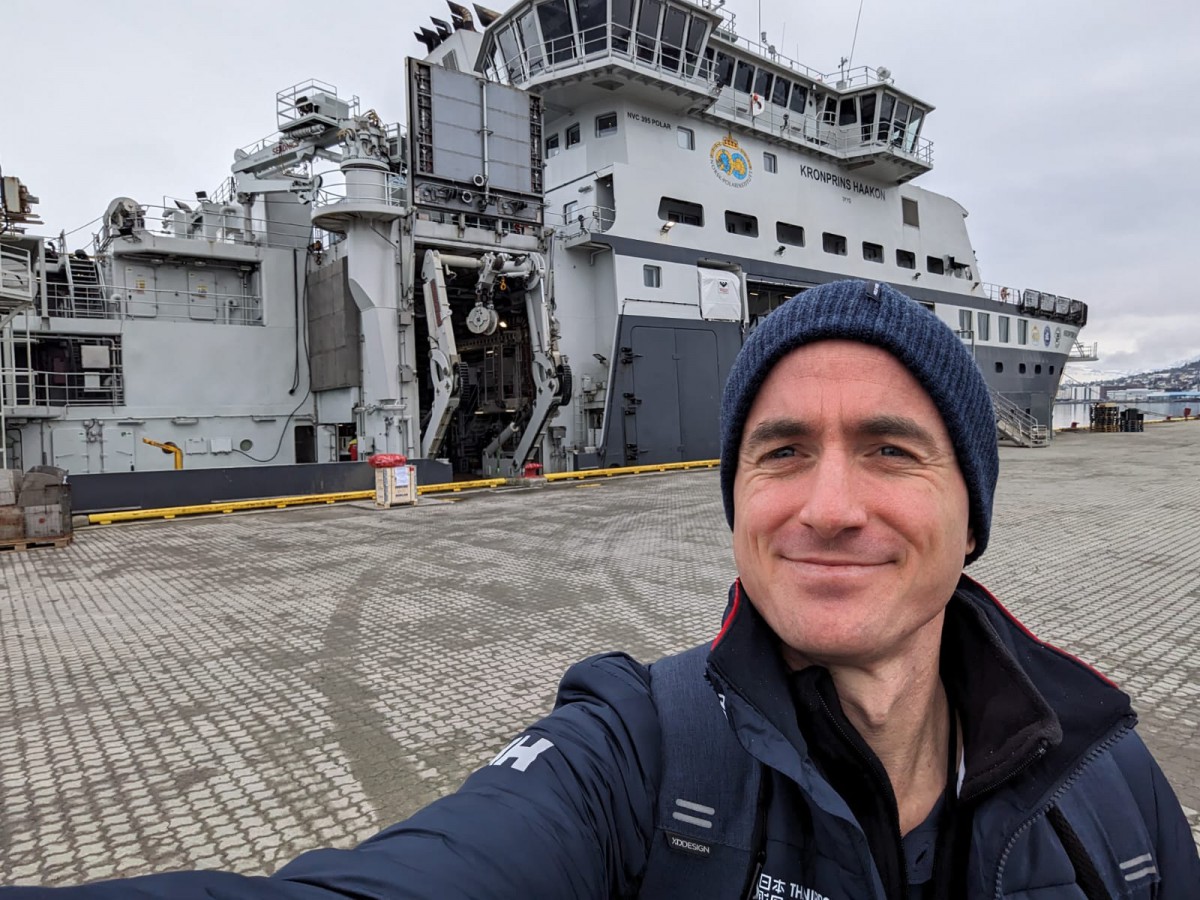
Superyachts were a happy, accidental detour for me. Initially, they were just a means to get to sea and pay off student debt – an excursion that turned into a career. My original passion was the ocean itself, fuelled by naive dreams of protecting its inhabitants. After moving shoreside and into media, today I manage communications across three distinct programmes at Nekton, a UK-based non-profit at the Oxford University Science Park: Ocean Census (accelerating the discovery of ocean life), First Descent (exploring and protecting the Indian Ocean) and Yachts for Science (matching superyachts with marine researchers).
My role exists in the overlapping Venn diagram of yachting, marine science and global media. I am outside the yachting echo chamber, but with a foot in each camp. At first, I saw superyachts at face value: big toys, to be taken literally but not seriously. What I learned to appreciate over time, and what drives me now, is how these seemingly disparate worlds intersect and the immense potential for impact within that crossover.
What is the most tangible thing you’ve achieved so far and what did it actually take to make it happen?
Tangibility in marine science and communications can be measured in two ways: does the science impact policy and will the communications inspire engagement?
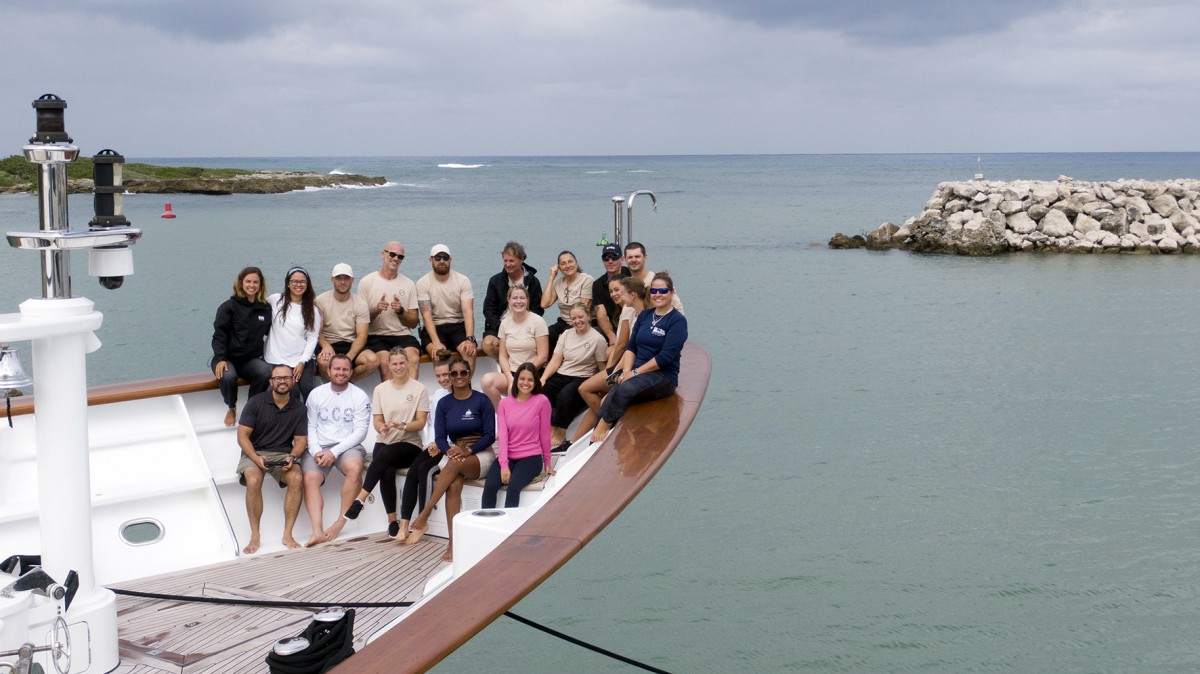
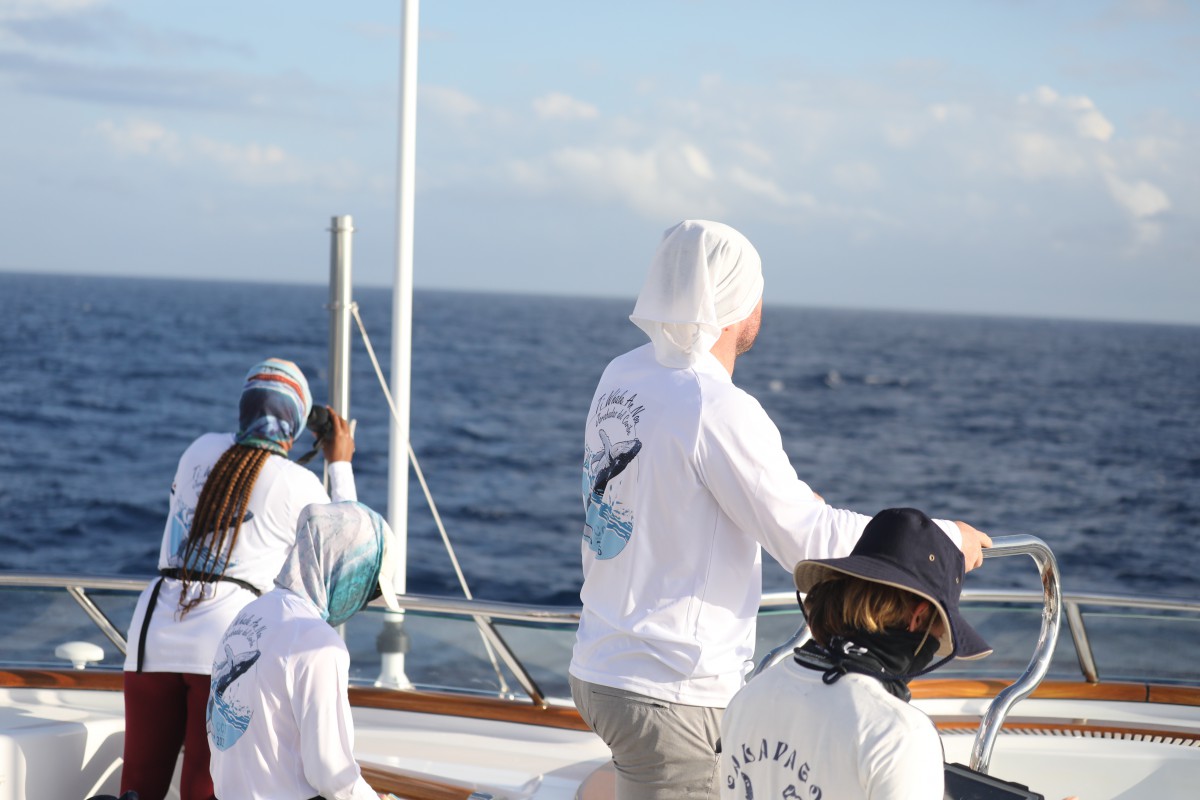
A 2025 Yachts for Science match achieved both. We supported the Caribbean Cetacean Society, led by Jeffrey Bernus, on a scientific initiative with the government of the Dominican Republic to conduct a marine mammal survey at Silver Bank, a world-renowned, strictly permitted humpback-whale-breeding ground. The survey recorded one of the highest humpback-whale-breeding aggregations ever documented. This data is now directly feeding into the Dominican Republic’s establishment of 30x30 protections, aiming to designate 30 per cent of its territorial waters for conservation under the UN framework.
Making this happen required total alignment, but the kicker is: it wasn’t that difficult. At Nekton, we routinely run massive, multinational expeditions at huge financial and operational cost. By comparison, this lift was, with the expert guidance of programme founder EYOS Expeditions, comparatively low. It proved that a classic, prototypical superyacht, like the 57-metre Feadship Solace, can operate as a research platform with minimal friction. Supported by a hands-on crew who actively supported and participated in the research, the project demonstrated the immense power of a globally dispersed, highly dynamic superyacht fleet to deliver the data that shapes the future of our oceans.
What is genuinely possible for yachting if the industry leans into this properly and what’s standing in the way?
If the industry truly leans in, yachts can become vital catalysts for global ocean conservation. What stands in the way is a culture of friction and hesitation. Not every itinerary suits a scientist, not every shipyard believes its social responsibility includes net-positive activities, and a lingering culture of extreme privacy often stalls great initiatives. Ironically, the superyacht industry can be rife with inflated sustainability claims, yet completely averse to openly sharing the genuine good they do.
The magic formula during the Solace project was that the owner, crew and scientists were fully engaged with communications. They allowed us to tell the story openly. There was no need for PR spin or greenwashing; the results spoke for themselves.
By supporting this research, the owner and crew helped protect the Carribean, a region the yachting industry has taken for granted for generations. In return, they gained access to a natural spectacle few ever witness. If the industry can overcome its fear of publicity and embrace this kind of openness, we can move past superficial credentials and inspire more of the fleet to use their platforms for genuine, lasting impact.
Image credit: Yachts for Science | Caribbean Cetacean Society
You can read more about the Solace project and what 500-plus humpback whales look like from the deck of a superyacht in The Superyacht Report: Captain focus – out now!
NEW: Sign up for SuperyachtNewsweek!
Get the latest weekly news, in-depth reports, intelligence, and strategic insights, delivered directly from The Superyacht Group's editors and market analysts.
Stay at the forefront of the superyacht industry with SuperyachtNewsweek
Click here to become part of The Superyacht Group community, and join us in our mission to make this industry accessible to all, and prosperous for the long-term. We are offering access to the superyacht industry’s most comprehensive and longstanding archive of business-critical information, as well as a comprehensive, real-time superyacht fleet database, for just £10 per month, because we are One Industry with One Mission. Sign up here.
NEW: Sign up for
SuperyachtNewsweek!
Get the latest weekly news, in-depth reports, intelligence, and strategic insights, delivered directly from The Superyacht Group's editors and market analysts.
Stay at the forefront of the superyacht industry with SuperyachtNewsweek